
The chemical processing sector relies heavily on the precise and safe operation of valves to control the flow of liquids, gases, and slurries. As plants grow in complexity and regulatory demands increase, valve monitoring in chemical industry environments has become essential for ensuring reliability, safety, and efficiency. Modern monitoring solutions provide real-time insights, predictive maintenance, and data-driven decision-making, helping operators avoid costly downtime and maintain compliance with stringent safety standards.
With the rise of digitalization and smart manufacturing, integrating advanced monitoring tools into plant infrastructure is no longer optional—it’s a necessity for competitive operations. For those seeking to enhance their facility’s performance, exploring valve monitoring instrumentation tools can be a strategic first step toward precision control and better asset management.
The Role of Valve Monitoring in Chemical Industry Operations
Valves are critical control points in chemical plants, managing everything from raw material input to waste output. Their failure can lead to leaks, contamination, process interruptions, or even hazardous incidents. Valve monitoring in chemical industry settings involves the use of sensors, transmitters, and analytics platforms to track valve position, health, and performance in real time.
Key benefits of implementing monitoring systems include:
- Early detection of wear or malfunction, reducing the risk of unexpected shutdowns.
- Improved safety by identifying leaks or improper valve operation before they escalate.
- Enhanced regulatory compliance through automated data logging and reporting.
- Optimized maintenance schedules based on actual usage and condition, not just time intervals.
By leveraging these technologies, chemical processors can maintain tighter control over their processes, minimize waste, and protect both personnel and the environment.
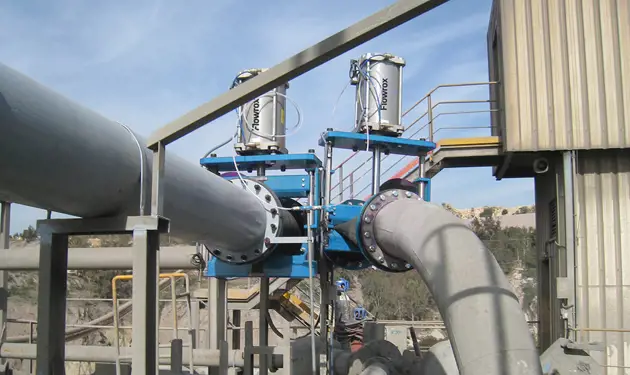
Key Technologies Behind Modern Valve Monitoring Solutions
Today’s monitoring solutions combine robust hardware with intelligent software to deliver actionable insights. The core components typically include:
- Position sensors: Detect whether a valve is open, closed, or partially open, ensuring processes run as intended.
- Pressure and temperature sensors: Monitor process conditions to detect anomalies that may signal valve or system issues.
- Wireless transmitters: Enable remote data collection and reduce the need for extensive wiring in hazardous or hard-to-reach areas.
- Analytics platforms: Aggregate data from multiple valves, apply predictive algorithms, and alert operators to potential problems.
Integration with plant-wide control systems, such as DCS or SCADA, allows for centralized monitoring and faster response times. For organizations seeking to take their monitoring to the next level, advanced valve analytics systems provide deep insights for data-driven maintenance and process optimization.
Benefits of Valve Monitoring for Chemical Processing Plants
Adopting comprehensive monitoring brings measurable improvements across several dimensions:
- Operational efficiency: Real-time data enables operators to make informed adjustments, reducing process variability and energy consumption.
- Predictive maintenance: By tracking valve health indicators, maintenance teams can intervene before failures occur, extending equipment life and reducing costs.
- Safety and compliance: Automated alerts and audit trails help meet industry regulations and prevent incidents that could harm workers or the environment.
- Reduced downtime: Faster fault detection and diagnosis minimize the duration and impact of unplanned outages.
These advantages translate into higher productivity, lower operational costs, and a stronger reputation for safety and reliability in the marketplace.

Integration and Data Management in Valve Monitoring
A key challenge for many chemical processors is integrating new monitoring systems with existing plant infrastructure. Modern solutions are designed for compatibility with a range of protocols and platforms, making it easier to connect valves to centralized control and data management systems.
For example, integrating monitoring with enterprise resource planning (ERP) systems enables smarter planning, inventory management, and maintenance scheduling. Learn more about valve monitoring integration with ERP for streamlined operations and improved asset utilization.
Effective data management is also crucial. With potentially thousands of valves in a single facility, organizing, analyzing, and securing this information requires robust software and clear data governance policies. Cloud-based solutions and industrial IoT platforms are increasingly common, offering scalability and remote access for multi-site operations.
Best Practices for Implementing Valve Monitoring in Chemical Industry Facilities
To maximize the value of monitoring solutions, consider the following best practices:
- Conduct a thorough needs assessment to identify critical valves and prioritize monitoring based on risk and process importance.
- Choose scalable and interoperable technologies that can grow with your facility and integrate with other plant systems.
- Train staff on both the technical and operational aspects of the new systems to ensure adoption and effective use.
- Establish clear maintenance and data management protocols to keep systems running smoothly and data secure.
- Review performance regularly and use analytics to drive continuous improvement in process reliability and efficiency.
For plants seeking a comprehensive approach, industrial valve monitoring solutions tailored for modern facilities can provide end-to-end support, from installation to ongoing optimization.
Emerging Trends and Future Outlook
The future of valve monitoring in chemical industry settings is shaped by several key trends:
- Artificial intelligence and machine learning are being used to predict failures and optimize maintenance schedules with greater accuracy.
- Wireless and battery-powered sensors are reducing installation costs and enabling monitoring in previously inaccessible locations.
- Integration with smart infrastructure is creating more responsive, adaptive plants that can adjust operations in real time based on live data. For more on this, see valve monitoring smart infrastructure.
- Greater focus on cybersecurity as more devices become connected and data becomes a critical asset.
As these technologies mature, chemical processors will benefit from even greater reliability, efficiency, and insight, helping them meet the challenges of a rapidly evolving industry landscape.
Case Study: Smart Monitoring Improves Performance
A leading chemical manufacturer recently implemented a smart monitoring solution across its main processing facility. By deploying wireless position and pressure sensors on critical valves, the company gained real-time visibility into valve status and process conditions. The analytics platform identified several valves operating outside optimal parameters, prompting targeted maintenance interventions.
As a result, the plant saw a 20% reduction in unplanned downtime and improved compliance with environmental regulations. This case demonstrates how valve monitoring in chemical industry applications can deliver tangible operational and financial benefits.
For a deeper dive into the advantages of smart monitoring, see this comprehensive overview of improving valve performance with smart monitoring.
Frequently Asked Questions
What types of valves benefit most from monitoring in chemical plants?
While all valves can benefit from monitoring, those controlling critical process flows, hazardous materials, or high-pressure systems should be prioritized. Monitoring is especially valuable for control valves, safety relief valves, and isolation valves in high-risk or high-value applications.
How does predictive maintenance work with valve monitoring?
Predictive maintenance uses real-time data from sensors to assess the condition of valves. By analyzing trends in position, pressure, temperature, and vibration, the system can forecast when a valve is likely to fail or require servicing, allowing maintenance teams to act before problems cause downtime.
Can valve monitoring systems be retrofitted to existing infrastructure?
Yes, many modern monitoring solutions are designed for easy retrofit. Wireless sensors and modular transmitters can be installed on existing valves without major modifications, making it possible to upgrade legacy systems with minimal disruption.