Modern industrial facilities rely on a complex network of valves to control the flow of gases and liquids under varying pressures. Ensuring the safety and efficiency of these operations is paramount, and pressure valve monitoring systems play a crucial role in achieving this goal. These technologies provide real-time insights into valve performance, help prevent equipment failure, and support compliance with stringent safety regulations.
As industries move toward digital transformation, the adoption of advanced monitoring solutions has become a best practice for plant managers and maintenance teams. By integrating these systems, organizations can proactively detect anomalies, reduce unplanned downtime, and extend the lifespan of critical assets. For those seeking to enhance their control infrastructure, exploring valve monitoring instrumentation tools is a logical first step toward smarter, safer plant management.
Understanding the Role of Valve Monitoring in Industrial Safety
Industrial plants operate under strict safety standards, especially when handling hazardous materials or high-pressure processes. A single valve malfunction can lead to leaks, process interruptions, or even catastrophic accidents. This is where pressure valve monitoring systems become indispensable. By continuously tracking valve status, pressure levels, and actuation cycles, these systems provide early warnings of potential issues, allowing operators to intervene before problems escalate.
In addition to safeguarding personnel and assets, monitoring solutions help facilities comply with industry regulations and insurance requirements. Automated data logging and reporting features simplify audits and demonstrate a commitment to operational excellence.
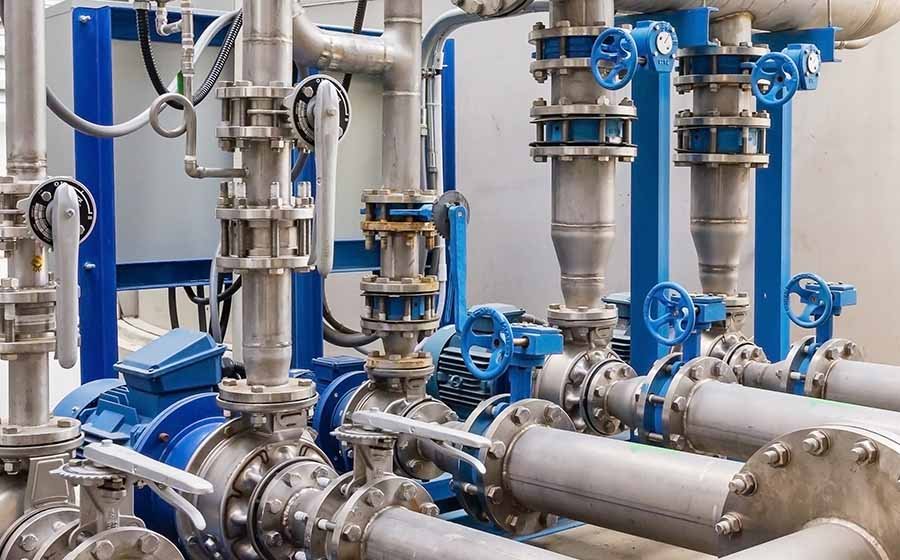
Key Features of Modern Pressure Valve Monitoring Solutions
Today’s monitoring platforms are designed to deliver actionable insights and seamless integration with plant control systems. Some of the most important features include:
- Real-time data acquisition: Sensors capture pressure, temperature, and valve position data continuously, enabling immediate detection of deviations from normal operating ranges.
- Remote diagnostics: Operators can access system status and historical trends from centralized dashboards, reducing the need for manual inspections.
- Predictive maintenance: Advanced analytics identify wear patterns and forecast maintenance needs, helping to schedule repairs before failures occur.
- Alarm management: Automated alerts notify staff of abnormal conditions, minimizing response times and preventing escalation.
- Integration capabilities: Many solutions support connectivity with SCADA, DCS, and ERP platforms, facilitating data-driven decision-making across the organization.
For organizations aiming to leverage data for proactive maintenance, exploring advanced valve analytics systems can further enhance the value of their monitoring investments.
Benefits of Implementing Pressure Valve Monitoring Systems
The adoption of digital monitoring for pressure valves brings a range of operational and safety advantages:
- Enhanced safety: Early detection of leaks, blockages, or overpressure conditions reduces the risk of accidents and environmental incidents.
- Reduced downtime: By identifying issues before they cause failures, plants can avoid costly unplanned shutdowns and maintain production schedules.
- Lower maintenance costs: Predictive insights enable targeted interventions, minimizing unnecessary part replacements and labor expenses.
- Regulatory compliance: Automated record-keeping supports adherence to industry standards and simplifies reporting to authorities.
- Asset longevity: Monitoring helps optimize valve performance, extending the service life of critical equipment.
These benefits are especially significant in industries such as oil and gas, chemical processing, and power generation, where process reliability and safety are non-negotiable.
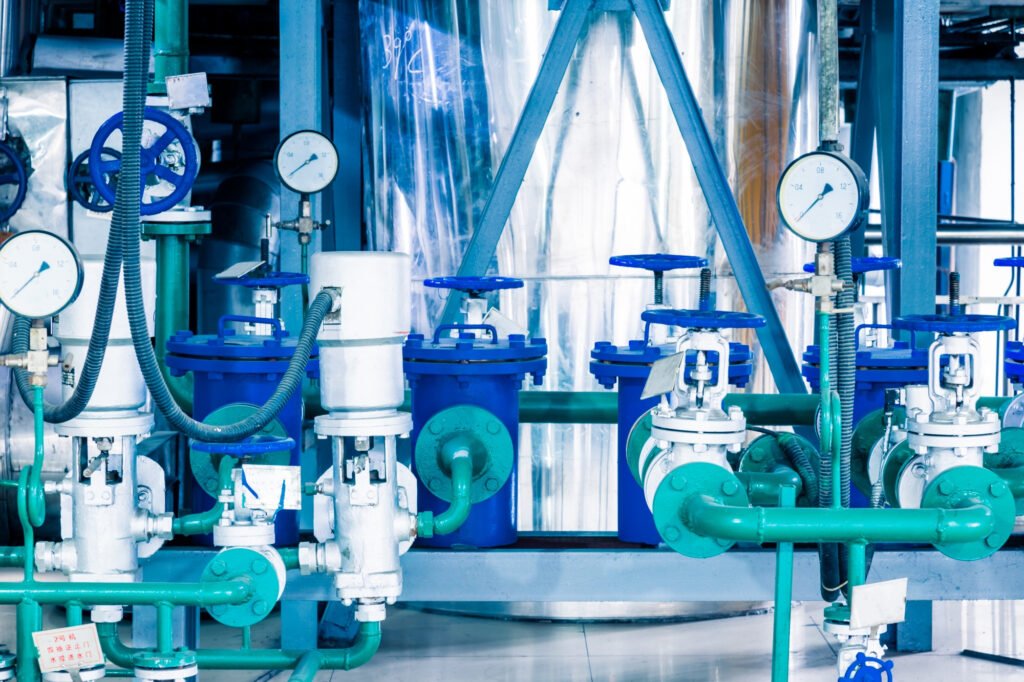
Integration and Data Management in Valve Monitoring
Seamless integration with existing plant infrastructure is a key consideration when deploying monitoring solutions. Modern systems are designed to communicate with a variety of control and information platforms, making it easier to centralize data and streamline workflows. For example, linking monitoring data with enterprise resource planning (ERP) tools supports smarter maintenance planning and inventory management. More on this can be found in resources about valve monitoring integration with ERP.
Data security and reliability are also top priorities. Leading solutions employ encryption, redundancy, and secure data transmission protocols to protect sensitive operational information. This ensures that plant managers can trust the insights generated by their monitoring systems and make informed decisions with confidence.
Choosing the Right Pressure Valve Monitoring System
Selecting the most suitable monitoring platform depends on several factors, including plant size, process complexity, and regulatory requirements. Here are some practical tips for evaluating options:
- Assess compatibility with existing control systems and communication protocols.
- Look for scalable solutions that can grow with your facility’s needs.
- Prioritize user-friendly interfaces and customizable reporting features.
- Ensure the system supports remote access and mobile notifications for timely response.
- Check for industry certifications and proven track records in similar applications.
Consulting with solution providers and reviewing case studies can help identify the best fit for your operational goals. For those managing large-scale or modernized facilities, exploring valve monitoring industrial solutions can provide additional insights.
Emerging Trends in Valve Monitoring Technology
The field of valve monitoring is evolving rapidly, driven by advances in sensor technology, connectivity, and data analytics. Some notable trends include:
- Wireless sensor networks: These reduce installation costs and enable monitoring in hard-to-reach locations.
- Edge computing: Processing data closer to the source allows for faster anomaly detection and reduced network load.
- Artificial intelligence: Machine learning algorithms are being used to identify subtle patterns and predict failures with greater accuracy.
- Cloud integration: Centralized data storage and analysis support enterprise-wide visibility and benchmarking.
For a deeper dive into how these innovations are shaping the future of plant safety and efficiency, consider reading a detailed overview of reciprocating compressor valve monitoring and its impact on reliability.
Best Practices for Implementation and Maintenance
To maximize the value of a monitoring system, it’s important to follow established best practices:
- Conduct a thorough needs assessment and involve stakeholders from operations, maintenance, and IT.
- Develop a clear implementation plan, including pilot testing and phased rollouts.
- Provide comprehensive training for staff to ensure proper use and interpretation of monitoring data.
- Establish protocols for responding to alerts and integrating findings into maintenance routines.
- Regularly review system performance and update software to leverage new features and security enhancements.
By following these guidelines, organizations can ensure that their investment in monitoring technology delivers long-term safety and operational benefits.
FAQ
What are the main components of a pressure valve monitoring system?
A typical setup includes sensors for pressure, temperature, and valve position, a data acquisition unit, communication modules (wired or wireless), and a central dashboard for visualization and analysis. Some systems also feature predictive analytics and integration with plant control platforms.
How does real-time monitoring improve plant safety?
Continuous tracking of valve status enables early detection of abnormal conditions such as leaks, overpressure, or mechanical wear. This allows operators to take corrective action before issues escalate, reducing the risk of accidents and unplanned shutdowns.
Can monitoring solutions be retrofitted to existing valves?
Yes, many modern systems are designed for easy installation on both new and legacy equipment. Wireless sensors and modular components make it possible to upgrade existing infrastructure without major modifications or extended downtime.