
Industrial facilities and process plants rely on thousands of valves to control flow, pressure, and safety across their operations. Keeping these critical assets in top condition is essential for safety, efficiency, and profitability. However, traditional approaches to valve maintenance often lead to unnecessary costs, unexpected failures, or inefficient use of resources. Valve maintenance optimization platforms are transforming how industries manage these assets, enabling smarter, data-driven decisions that directly impact the bottom line.
By leveraging real-time data, predictive analytics, and digital tools, these platforms help organizations reduce downtime, extend asset life, and minimize maintenance expenses. In this article, we’ll explore the core features of modern optimization solutions, their cost-saving benefits, and how to integrate them into your maintenance strategy. For those interested in related technologies, you can also learn more about valve monitoring instrumentation tools that enhance precision control and data collection.
Understanding Valve Maintenance Optimization Platforms
Valve maintenance optimization platforms are digital solutions designed to streamline the upkeep of valves across industrial environments. These platforms combine data collection, condition monitoring, predictive analytics, and workflow management to provide a comprehensive view of valve health and performance.
Key components typically include:
- Real-time monitoring using sensors and IoT devices to track valve position, pressure, temperature, and vibration.
- Data analytics that process historical and live data to identify patterns, predict failures, and recommend maintenance actions.
- Integration with existing maintenance management systems (CMMS/EAM) for seamless scheduling and reporting.
- Diagnostic tools that help technicians pinpoint issues quickly, reducing troubleshooting time.
By consolidating these capabilities, optimization platforms empower maintenance teams to move from reactive or time-based maintenance to a more proactive, condition-based approach.
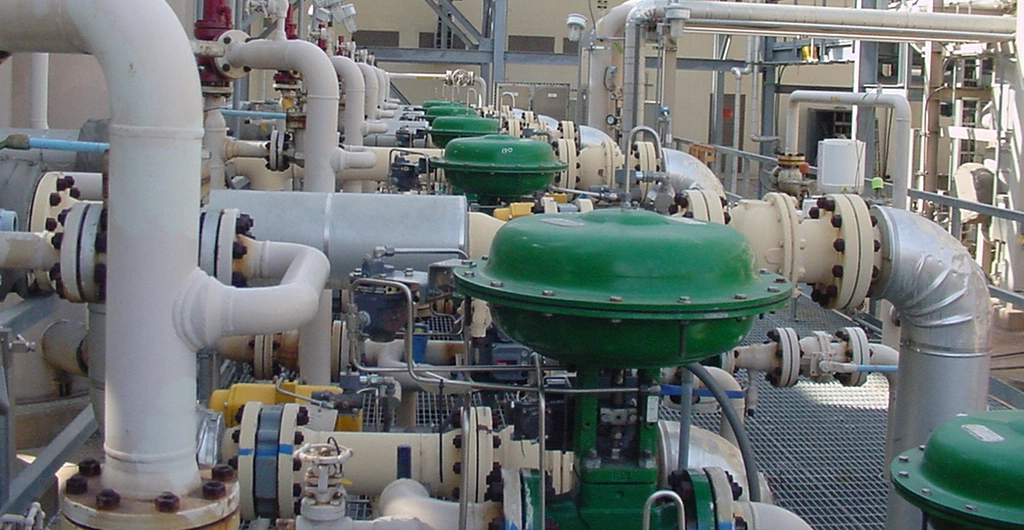
How Digital Platforms Drive Cost Efficiency
One of the main drivers for adopting digital maintenance solutions is the potential for substantial cost savings. Here’s how these platforms deliver measurable financial benefits:
Reducing Unplanned Downtime
Unexpected valve failures can halt production lines, cause safety incidents, or lead to regulatory penalties. By continuously monitoring valve condition and predicting issues before they escalate, optimization platforms help organizations avoid costly unplanned outages. This proactive approach ensures that maintenance occurs only when needed, rather than on a fixed schedule or after a breakdown.
Optimizing Maintenance Intervals
Traditional maintenance schedules are often based on manufacturer recommendations or historical averages, which may not reflect the actual condition of each valve. Valve maintenance optimization platforms use real-world data to tailor maintenance intervals, ensuring that resources are allocated efficiently. This reduces unnecessary inspections and repairs, saving both labor and material costs.
Extending Asset Life
By identifying early signs of wear, corrosion, or misalignment, digital platforms enable timely interventions that prevent minor issues from becoming major failures. This extends the operational life of valves, reduces capital expenditure on replacements, and improves overall asset reliability.
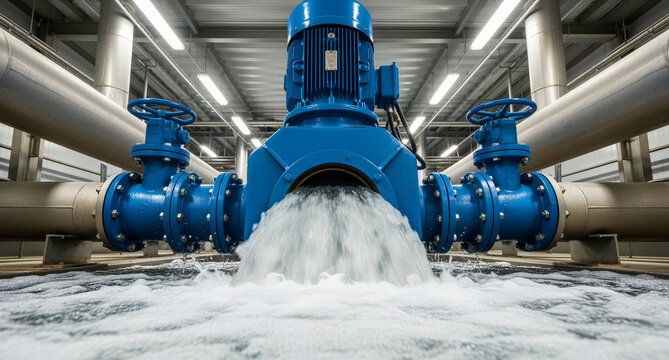
Key Features of Leading Optimization Solutions
When evaluating platforms for optimizing valve maintenance, it’s important to consider several core features that maximize value:
- Advanced diagnostics: Tools that analyze valve performance and provide actionable insights. For more on this, see control valve diagnostics explained.
- Predictive maintenance algorithms: Machine learning models that forecast failures based on historical and real-time data.
- Automated alerts: Notifications sent to maintenance teams when anomalies are detected, allowing for quick response.
- Integration capabilities: Seamless connectivity with plant systems, including SCADA, DCS, and asset management software.
- User-friendly dashboards: Visualizations that make it easy to interpret data and prioritize actions.
Some platforms also offer mobile access, enabling technicians to receive updates and log maintenance activities from the field.
Integrating Optimization Platforms Into Maintenance Strategies
Adopting digital solutions for valve maintenance requires a strategic approach. Here are steps to ensure a successful integration:
- Assess current processes: Map out existing maintenance workflows and identify pain points or inefficiencies.
- Define objectives: Set clear goals, such as reducing downtime, cutting costs, or improving safety compliance.
- Select the right platform: Choose a solution that aligns with your facility’s needs, scale, and existing infrastructure.
- Train personnel: Ensure maintenance teams are comfortable using new tools and interpreting data-driven recommendations.
- Monitor and refine: Continuously track performance metrics and adjust strategies based on results.
Facilities that combine optimization platforms with other digital tools, such as valve anomaly prediction models or valve performance data analytics, often achieve even greater improvements in reliability and cost control.
Challenges and Considerations
While the benefits are compelling, there are several factors to consider when implementing these platforms:
- Data quality: Accurate, high-quality sensor data is essential for reliable analytics and predictions.
- Integration complexity: Connecting new platforms with legacy systems may require custom interfaces or middleware.
- Change management: Shifting from manual or time-based maintenance to a digital, data-driven approach can require cultural change and ongoing training.
- Cybersecurity: Protecting sensitive operational data from cyber threats is a top priority, especially as more devices connect to plant networks.
Addressing these challenges early in the process helps ensure a smooth transition and maximizes return on investment.
Future Trends in Valve Maintenance Technology
The landscape of industrial maintenance is evolving rapidly. Some emerging trends to watch include:
- AI-powered analytics: Artificial intelligence is enhancing the accuracy of failure predictions and maintenance recommendations.
- Edge computing: Processing data closer to the source (at the valve or device level) reduces latency and bandwidth requirements.
- Remote monitoring: Advances in low power valve monitoring devices are making it feasible to track assets in remote or hazardous locations.
- Augmented reality (AR): AR tools are beginning to assist technicians with real-time diagnostics and repair instructions in the field.
As these technologies mature, they will further enhance the capabilities of optimization platforms and drive even greater cost savings.
Frequently Asked Questions
What are the main benefits of using valve maintenance optimization platforms?
The primary advantages include reduced unplanned downtime, optimized use of maintenance resources, extended valve lifespan, and improved safety. These platforms enable data-driven decisions, helping organizations save money and improve operational reliability.
How do these platforms predict valve failures?
They use a combination of real-time sensor data, historical performance records, and advanced analytics—often powered by machine learning—to detect early warning signs of wear, leaks, or malfunctions. This allows maintenance teams to address issues before they lead to costly failures.
Can these platforms integrate with existing plant systems?
Yes, most modern solutions are designed to connect with SCADA, DCS, and enterprise asset management systems. This integration ensures seamless data flow and enables centralized management of maintenance activities.