
Investing in advanced valve monitoring systems is a significant decision for any industrial operation. Understanding the valve monitoring ROI analysis is crucial for maintenance managers, plant engineers, and decision-makers aiming to maximize asset reliability and minimize unplanned downtime. A thorough evaluation of return on investment helps justify expenditures, prioritize upgrades, and build a business case for predictive maintenance technologies.
This article explores the essential components of return analysis for valve monitoring, including cost factors, performance metrics, and the long-term impact on maintenance strategies. We’ll also look at how digital tools and data analytics enhance the value proposition, and provide practical guidance for organizations considering these investments.
For those interested in the technical side of instrumentation, exploring valve monitoring instrumentation tools can provide deeper insights into the hardware and software enabling accurate diagnostics and data collection.
Understanding the Value of Valve Monitoring Investments
Valve assets are critical to process safety and operational efficiency. Failures can lead to costly outages, environmental incidents, and compliance risks. Traditional maintenance approaches—such as scheduled or reactive repairs—often result in unnecessary interventions or missed early warnings. By adopting real-time monitoring, organizations can transition to condition-based maintenance, optimizing both costs and reliability.
A comprehensive valve monitoring ROI analysis weighs the upfront and ongoing costs of monitoring systems against measurable benefits such as:
- Reduced unplanned downtime
- Lower maintenance labor and material costs
- Extended valve service life
- Improved process efficiency
- Enhanced safety and regulatory compliance

Key Factors in Calculating Return on Investment
When evaluating the financial impact of valve monitoring, it’s important to consider both direct and indirect factors. Here are the main elements to include in your analysis:
Initial and Ongoing Costs
Capital expenditures include sensors, data acquisition hardware, installation, and integration with existing control systems. Operating costs may involve software licenses, cloud storage, maintenance of monitoring devices, and staff training.
Downtime Reduction and Productivity Gains
One of the most significant benefits is the reduction in unexpected failures. By detecting anomalies early, teams can plan interventions during scheduled shutdowns, minimizing lost production. Quantifying the value of avoided downtime is a core component of valve monitoring ROI analysis.
Maintenance Optimization
Condition-based insights allow for targeted repairs, reducing unnecessary part replacements and labor hours. Over time, this leads to lower maintenance budgets and more efficient resource allocation.
Asset Longevity and Replacement Deferral
Continuous monitoring helps identify issues before they escalate, extending the useful life of valves and deferring costly replacements.
Safety and Compliance Benefits
Automated monitoring can help ensure valves operate within safe parameters, reducing the risk of accidents and regulatory violations. While harder to quantify, these factors can have substantial financial implications.
Data-Driven Approaches to ROI Analysis
Modern monitoring solutions leverage advanced analytics and machine learning to provide actionable insights. By integrating valve performance data analytics, organizations can track key performance indicators, benchmark asset health, and continuously refine maintenance strategies.
For example, predictive algorithms can forecast failure probabilities, enabling proactive scheduling and inventory management. The result is a more dynamic and responsive maintenance program, further enhancing the return on investment.
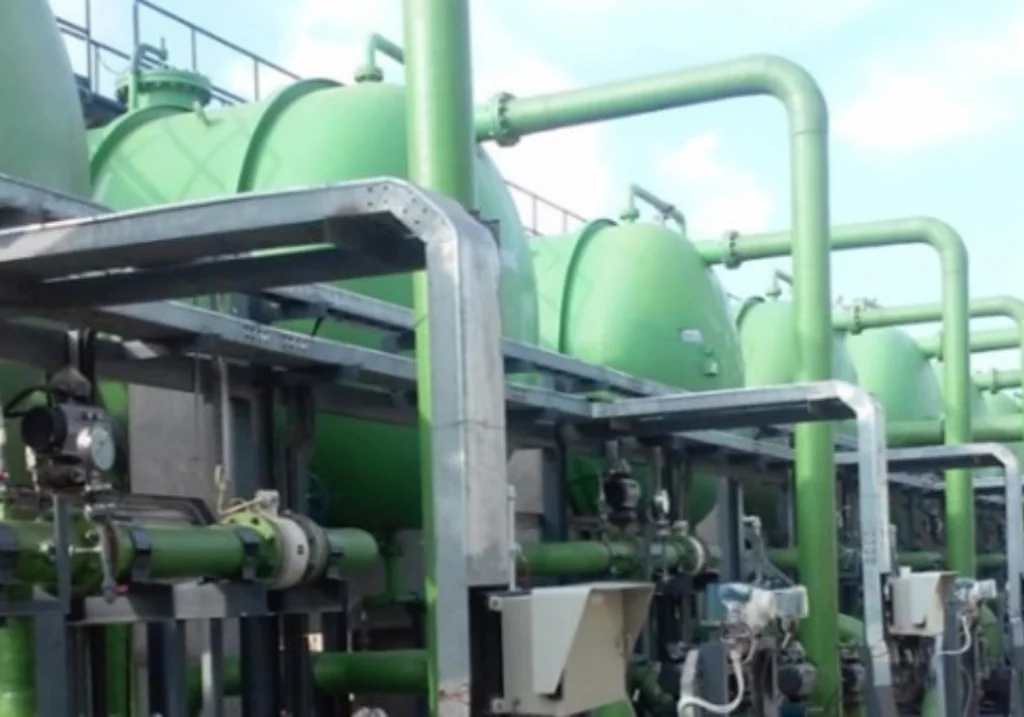
Case Study: Quantifying the Impact of Monitoring
Consider a facility with 500 critical valves. Historically, the plant experienced an average of 10 unplanned valve failures per year, each causing 4 hours of downtime at a cost of $5,000 per hour. That’s $200,000 in annual downtime losses alone.
After implementing a real-time monitoring system, the number of unplanned failures dropped by 70%. Scheduled interventions increased slightly, but overall maintenance costs decreased due to fewer emergency repairs and optimized spare parts usage. The monitoring system paid for itself within two years, with ongoing savings in subsequent years.
While each facility will have unique numbers, this example illustrates how a structured valve monitoring ROI analysis can reveal compelling financial benefits.
Integrating Monitoring with Predictive Maintenance Models
To maximize returns, monitoring should be integrated with predictive analytics and anomaly detection. Leveraging valve anomaly prediction models enables maintenance teams to move from reactive to truly proactive strategies. This integration not only reduces costs but also supports continuous improvement and risk mitigation.
For remote or hard-to-access assets, deploying low power valve monitoring devices ensures data collection without excessive energy consumption or maintenance overhead.
Best Practices for Maximizing ROI from Valve Monitoring
- Start with a pilot project to validate assumptions and refine your business case.
- Choose scalable solutions that integrate with existing systems and data platforms.
- Train staff on interpreting monitoring data and integrating insights into daily workflows.
- Continuously review performance metrics and adjust maintenance plans as needed.
- Engage with solution providers who offer robust support and ongoing innovation.
For more technical details on diagnostic approaches, refer to comprehensive valve diagnostics resources that outline modern methods for data-driven maintenance.
Frequently Asked Questions
What are the main benefits of conducting a valve monitoring ROI analysis?
A thorough return analysis helps organizations justify investments, prioritize upgrades, and optimize maintenance budgets. It quantifies the financial impact of reduced downtime, lower repair costs, extended asset life, and improved safety.
How do I calculate the payback period for a valve monitoring system?
Start by estimating the total costs (hardware, software, installation, and ongoing expenses). Then, calculate annual savings from reduced downtime, maintenance, and replacements. The payback period is the time it takes for cumulative savings to equal the initial investment.
Can valve monitoring solutions be integrated with existing plant systems?
Yes, most modern platforms are designed for interoperability. They can connect with SCADA, DCS, and enterprise asset management systems, enabling seamless data flow and centralized monitoring.
Conclusion
A systematic approach to valve monitoring ROI analysis empowers organizations to make informed decisions about maintenance investments. By leveraging real-time data, predictive analytics, and scalable technologies, companies can achieve significant operational and financial gains. As the industrial landscape evolves, those who embrace data-driven maintenance will be best positioned for long-term success.