
The industrial landscape is rapidly evolving, and organizations are increasingly seeking ways to optimize their operations. One area seeing significant transformation is the integration of valve monitoring systems with Enterprise Resource Planning (ERP) platforms. This convergence enables businesses to enhance efficiency, improve asset reliability, and make more informed decisions. By connecting real-time valve data with enterprise systems, companies can streamline maintenance, reduce downtime, and support smarter planning across their operations.
Understanding how to leverage valve monitoring integration with ERP is essential for industries such as oil and gas, water treatment, manufacturing, and utilities. This article explores the benefits, implementation strategies, and best practices for connecting valve data to ERP solutions, ensuring organizations are well-equipped for the demands of modern asset management.
For those interested in the technical side of valve instrumentation, valve monitoring instrumentation tools provide a deeper look at the sensors and devices that enable precise data collection. Integrating these tools with ERP systems is a foundational step toward smarter, data-driven planning.
Why Connect Valve Monitoring Systems to ERP Platforms?
Integrating valve monitoring with ERP platforms bridges the gap between operational technology (OT) and information technology (IT). Traditionally, valve performance and status data have been siloed within control systems or SCADA platforms. By linking this data with ERP, organizations gain a holistic view of their assets, maintenance needs, and operational risks.
Key advantages include:
- Real-time visibility into valve health and performance across multiple sites.
- Automated maintenance scheduling based on actual valve condition, not just calendar intervals.
- Improved inventory management for spare parts and consumables, reducing unnecessary stock and costs.
- Faster response to anomalies or failures, minimizing unplanned downtime.
- Data-driven decision-making for capital planning, compliance, and risk management.
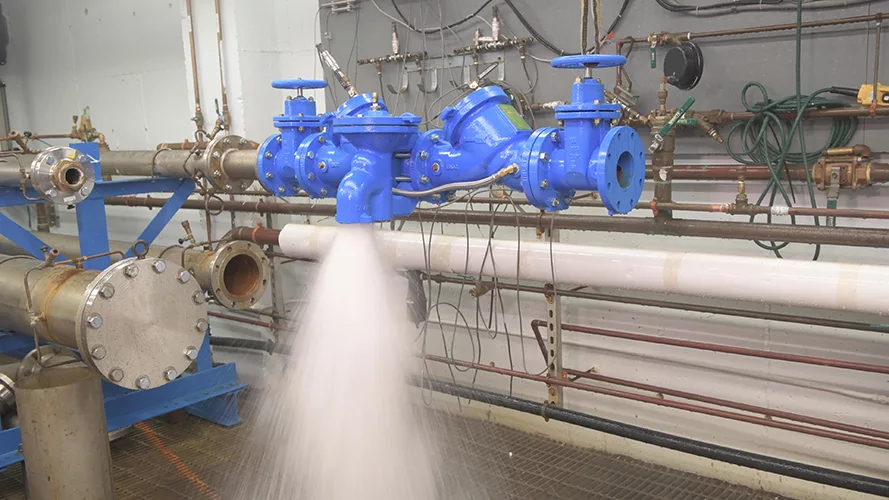
By integrating these systems, companies can move from reactive to proactive asset management, aligning maintenance and operations with broader business objectives.
Key Components of Valve Monitoring and ERP Integration
A successful integration project involves several core components. Understanding these elements helps organizations plan and execute a seamless connection between their valve monitoring infrastructure and ERP software.
- Data Acquisition Devices: Sensors and transmitters collect information on valve position, pressure, temperature, and flow. These devices form the foundation of any monitoring system.
- Communication Gateways: Protocol converters and IoT gateways transmit data from field devices to central databases or cloud platforms.
- Integration Middleware: Software that translates valve data into formats compatible with ERP systems, often using APIs or standardized protocols.
- ERP Modules: Maintenance, asset management, and inventory modules within ERP platforms receive and process valve data for planning and reporting.
For further insights on how predictive analytics can enhance valve reliability, see the guide on valve anomaly prediction models.
Best Practices for Implementing Valve Monitoring Integration with ERP
Integrating valve monitoring with ERP systems requires careful planning and execution. Here are some best practices to ensure a smooth and effective rollout:
- Assess Current Infrastructure: Evaluate existing valve monitoring and ERP capabilities. Identify gaps, compatibility issues, and data silos.
- Define Integration Objectives: Set clear goals for the integration, such as reducing downtime, improving maintenance efficiency, or enhancing compliance.
- Choose Scalable Solutions: Select hardware and software that can grow with your operation, supporting additional valves, sites, or data types as needed.
- Prioritize Data Quality: Ensure that sensor data is accurate, timely, and reliable. Poor data quality undermines the value of integration.
- Leverage Open Standards: Use open communication protocols and APIs to simplify integration and future-proof your investment.
- Train Staff: Equip maintenance, IT, and operations teams with the knowledge to use integrated systems effectively.
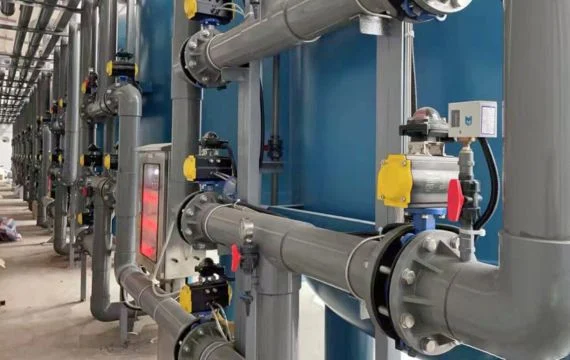
For organizations in the water sector, water distribution valve monitoring offers practical examples of how integrated valve data can improve network reliability and planning.
Use Cases: Real-World Applications of ERP and Valve Monitoring Connectivity
Industries across the globe are realizing tangible benefits from connecting valve monitoring to their ERP systems. Here are a few practical applications:
- Predictive Maintenance: By analyzing valve performance data, organizations can predict failures before they occur and schedule maintenance only when needed, reducing costs and downtime.
- Regulatory Compliance: Automated data logging and reporting help meet industry regulations for safety and environmental standards.
- Asset Lifecycle Management: ERP integration provides a complete history of valve usage, repairs, and replacements, supporting better capital planning.
- Supply Chain Optimization: Real-time valve status informs inventory and procurement decisions, ensuring the right parts are available when needed.
To explore how operational insights can be extracted from valve data, visit the article on valve performance data analytics.
Challenges and Solutions in Integrating Valve Monitoring with ERP
While the benefits are clear, integrating valve data with ERP systems presents several challenges:
- Legacy Systems: Many facilities operate with older equipment or software that may not support modern integration methods.
- Data Security: Transmitting operational data to enterprise systems increases cybersecurity risks.
- Change Management: Staff may resist new workflows or technologies, requiring effective training and communication.
- Scalability: Integrations must support future expansion without significant rework.
Solutions include investing in middleware that bridges old and new technologies, adopting robust cybersecurity practices, and involving stakeholders early in the integration process. For industries such as mining, valve monitoring in mining industry highlights sector-specific integration strategies.
For a broader perspective on how valve monitoring supports process industries, the resource on valve monitoring and control in process industries provides additional context and best practices.
Future Trends in Valve Monitoring and ERP Integration
The future of asset management lies in deeper digital integration. As technologies such as artificial intelligence, machine learning, and IoT mature, the connection between valve monitoring and ERP systems will become even more seamless and powerful.
Emerging trends include:
- AI-driven analytics for predictive maintenance and anomaly detection.
- Cloud-based ERP platforms that offer greater scalability and remote access.
- Edge computing to process valve data closer to the source, reducing latency.
- Enhanced cybersecurity measures to protect integrated systems.
Organizations that invest in these technologies will be better positioned to optimize their operations, reduce costs, and respond quickly to changing market demands.
FAQ
What are the main benefits of integrating valve monitoring with ERP systems?
The primary benefits include improved maintenance planning, reduced downtime, enhanced asset visibility, and better inventory management. Integration also supports regulatory compliance and enables data-driven decision-making across the organization.
How does valve monitoring integration with ERP support predictive maintenance?
By feeding real-time valve performance data into ERP maintenance modules, organizations can identify early warning signs of failure. This enables maintenance to be scheduled based on actual equipment condition rather than fixed intervals, reducing costs and preventing unexpected breakdowns.
What industries benefit most from connecting valve monitoring to ERP?
Industries such as oil and gas, water treatment, manufacturing, mining, and utilities gain significant value from this integration. Any sector that relies on complex valve networks and seeks to optimize maintenance and operations can benefit.