
Modern industrial facilities rely on a complex network of valves to control the flow of liquids, gases, and other materials. As operations scale and processes become more automated, the need for valve monitoring integration solutions has grown significantly. These advanced systems allow organizations to monitor, analyze, and optimize valve performance in real time, reducing downtime and supporting proactive maintenance strategies.
Integrating monitoring technology with existing plant infrastructure not only enhances operational visibility but also delivers actionable insights for maintenance teams and plant managers. By leveraging data-driven approaches, companies can ensure reliability, safety, and efficiency across their entire valve network. For those interested in predictive maintenance, exploring valve anomaly prediction models can further strengthen operational resilience.
Understanding Integrated Valve Monitoring Systems
Integrated valve monitoring systems combine sensors, data acquisition hardware, and software platforms to provide a holistic view of valve status and performance. These solutions are designed to seamlessly connect with existing plant control systems, such as SCADA, DCS, or PLCs, ensuring minimal disruption during deployment.
Key components include:
- Smart sensors that detect position, pressure, temperature, and flow.
- Communication modules for real-time data transfer.
- Centralized dashboards for visualization and analysis.
- Automated alerts and reporting tools for maintenance teams.
By integrating these elements, organizations can move from reactive to proactive maintenance, addressing issues before they escalate into costly failures.
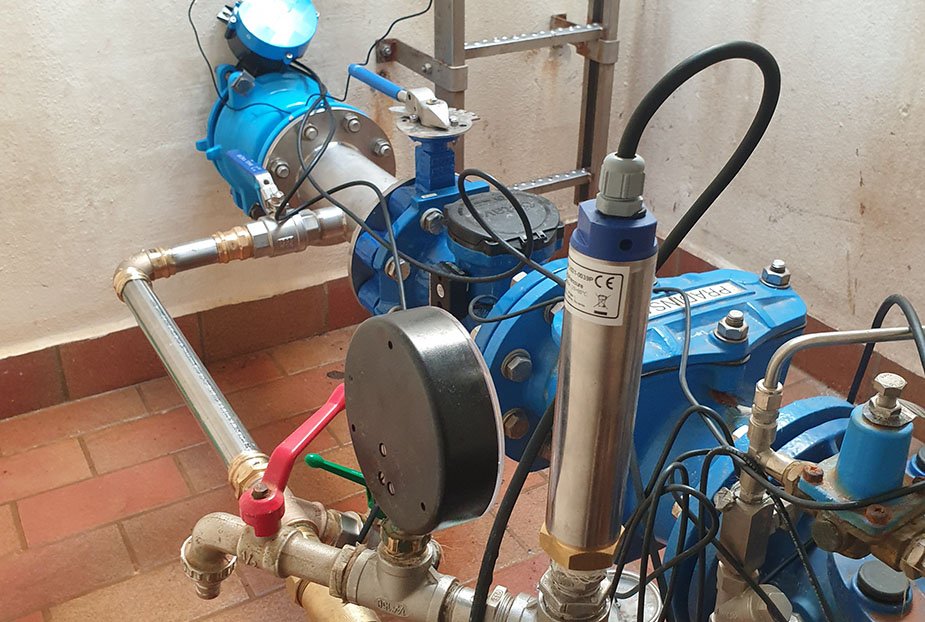
Benefits of Advanced Valve Monitoring Integration
Adopting valve monitoring integration solutions brings a range of benefits to industrial operations:
- Reduced unplanned downtime through early detection of anomalies and wear.
- Improved safety by identifying leaks, blockages, or improper valve positions.
- Enhanced asset lifespan thanks to timely maintenance and data-driven interventions.
- Optimized process efficiency by maintaining precise control over flow and pressure.
- Regulatory compliance through automated data logging and reporting.
These advantages translate to lower operational costs, increased productivity, and a stronger competitive position in the market.
Key Features of Modern Valve Monitoring Platforms
Today’s integrated solutions offer a suite of features that go beyond simple status checks. Some of the most valuable capabilities include:
- Real-time monitoring with instant notifications for abnormal conditions.
- Historical data analysis to identify trends and recurring issues.
- Remote access via web or mobile interfaces, enabling offsite management.
- Seamless integration with plant automation and enterprise systems.
- Customizable reporting to meet specific operational and compliance needs.
For organizations seeking even deeper insights, leveraging valve performance data analytics can provide granular operational intelligence and support continuous improvement initiatives.
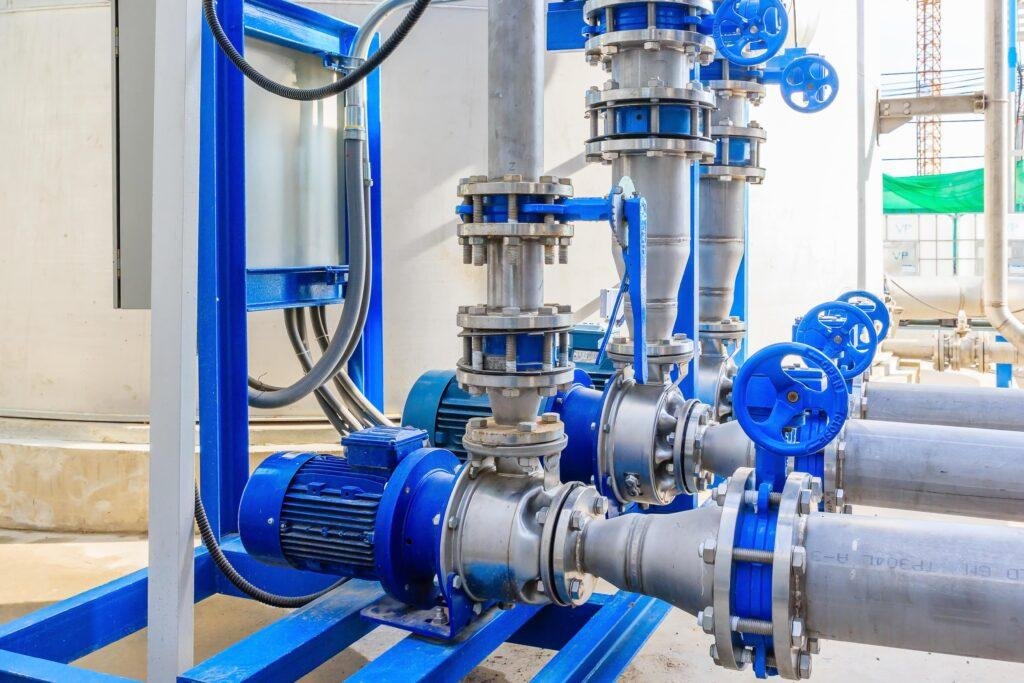
How Integration Solutions Support Seamless Operations
The core value of integrated valve monitoring lies in its ability to unify disparate data sources and deliver a single source of truth for plant operators. By connecting sensors, actuators, and control systems, these platforms enable:
- Centralized visibility into all critical valve assets.
- Automated workflows for maintenance scheduling and escalation.
- Faster root-cause analysis when issues occur.
- Continuous optimization of process parameters.
This unified approach reduces manual intervention, minimizes human error, and ensures that decision-makers have the information they need to keep operations running smoothly.
Choosing the Right Valve Monitoring Integration Solution
Selecting the best-fit platform involves evaluating several factors:
- Compatibility with existing automation and control infrastructure.
- Scalability to accommodate future expansion or new assets.
- Support for open protocols and interoperability with third-party systems.
- Ease of deployment and user training requirements.
- Vendor support, service agreements, and cybersecurity measures.
It’s also important to consider how the solution aligns with broader digital transformation goals. For a deeper dive into the value of digital valve monitoring, see this expert discussion on digital transformation in valve monitoring.
Integrating Smart Valve Automation and Monitoring
Many organizations are now combining smart valve automation systems with advanced monitoring for even greater efficiency. These integrated platforms enable automatic valve actuation based on real-time sensor data, supporting closed-loop control and adaptive process management.
To explore how automation and monitoring work together, consider the benefits outlined in smart valve automation systems. By merging automation with monitoring, plants can achieve higher throughput, reduced manual intervention, and improved safety.
Implementation Best Practices
Successful deployment of monitoring integration solutions requires careful planning and collaboration between IT, operations, and maintenance teams. Key best practices include:
- Conducting a thorough site assessment to identify integration points and potential challenges.
- Engaging stakeholders early to ensure buy-in and smooth adoption.
- Developing a phased rollout plan to minimize disruption.
- Providing comprehensive training for operators and maintenance staff.
- Establishing clear KPIs to measure success and drive continuous improvement.
Ongoing support and periodic system reviews are essential to ensure the solution continues to deliver value as operational needs evolve.
Future Trends in Valve Monitoring Integration
The landscape for valve monitoring integration solutions is rapidly evolving. Emerging trends include the adoption of artificial intelligence for predictive analytics, increased use of wireless sensors, and tighter integration with cloud-based platforms. These advances promise even greater operational agility, reduced maintenance costs, and enhanced reliability.
For those interested in fully automated approaches, automated valve monitoring solutions offer a glimpse into the future of intelligent plant control.
Frequently Asked Questions
What are the main benefits of integrating valve monitoring with existing plant systems?
Integrating valve monitoring with plant systems provides real-time visibility, supports predictive maintenance, reduces downtime, and improves safety. It also streamlines compliance reporting and enables data-driven decision-making.
How do integrated monitoring solutions improve maintenance strategies?
By continuously collecting and analyzing valve performance data, integrated solutions help maintenance teams identify issues before they lead to failures. This proactive approach extends asset life and reduces emergency repairs.
Can existing valves be retrofitted with monitoring technology?
Yes, many modern monitoring platforms are designed to retrofit onto existing valves without significant modifications. This allows organizations to upgrade their monitoring capabilities without replacing entire valve assemblies.