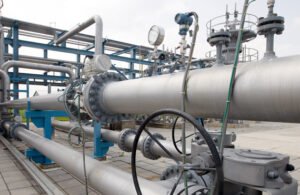
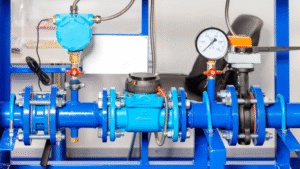
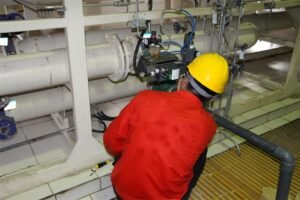
Maintaining process integrity in industrial environments is a top priority, especially where hazardous or valuable fluids and gases are handled. Valve leakage prevention systems play a crucial role in minimizing the risk of leaks, protecting equipment, ensuring safety, and supporting regulatory compliance. As industries move toward smarter operations, the demand for robust and reliable leakage control has never been higher.
Modern plants rely on a combination of advanced technologies and best practices to detect, monitor, and prevent valve leaks. From chemical processing to oil and gas, the consequences of undetected leakage can be severe—ranging from environmental harm to costly downtime. By implementing effective solutions, facilities can reduce operational risks and extend asset life.
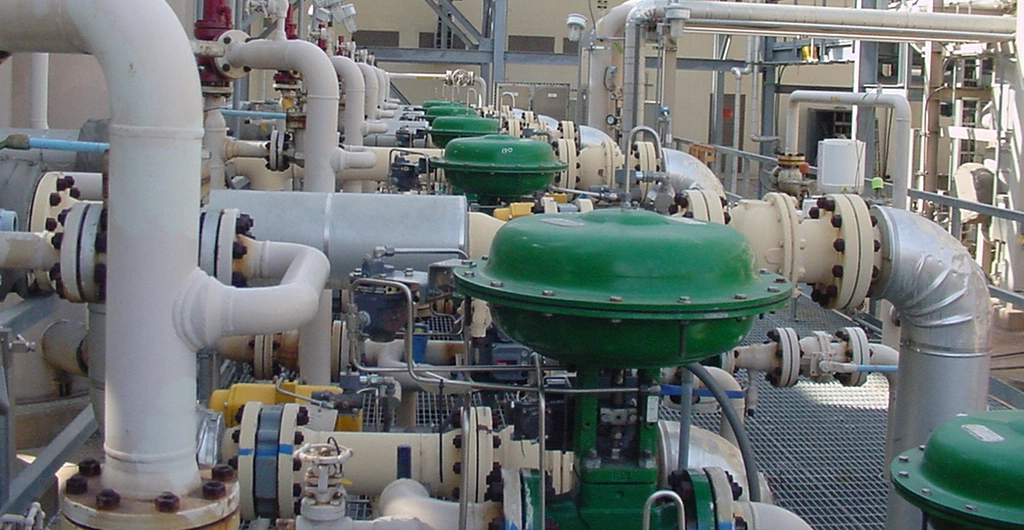
For organizations seeking to leverage predictive analytics and automation, exploring valve anomaly prediction models can further enhance leak prevention strategies by identifying issues before they escalate.
Understanding the Risks of Valve Leakage
Valve leaks can have far-reaching impacts on both process efficiency and safety. Even minor leaks may lead to product loss, contamination, or unplanned shutdowns. In critical applications, such as petrochemical plants or pharmaceutical manufacturing, undetected leakage can compromise product quality and pose significant hazards to personnel and the environment.
The main risks associated with valve leakage include:
- Environmental damage from hazardous fluid or gas releases
- Financial losses due to wasted product and increased maintenance
- Safety incidents such as fires, explosions, or toxic exposure
- Regulatory penalties for non-compliance with industry standards
Given these risks, it is essential to implement comprehensive leakage prevention measures tailored to the specific needs of each facility.
Core Components of Valve Leakage Prevention Systems
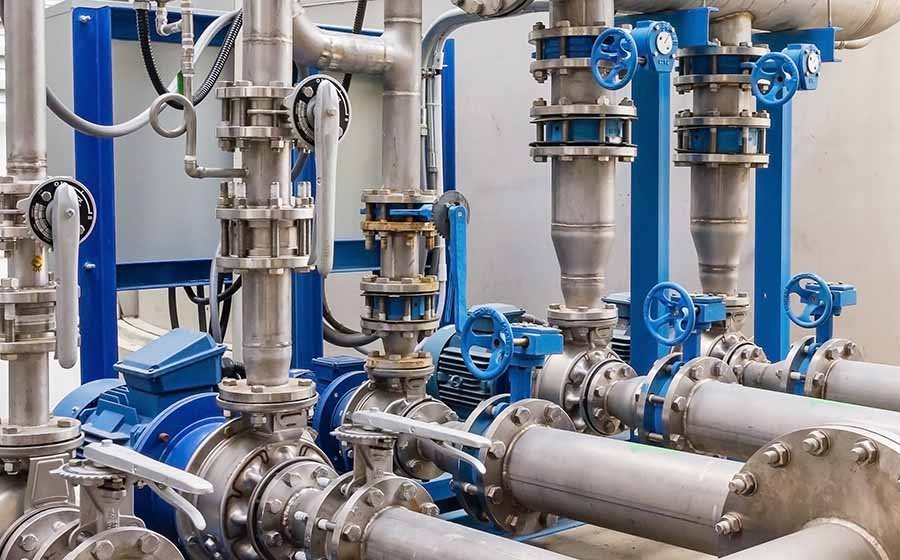
A modern valve leakage prevention system integrates several technologies and practices to ensure reliable operation. The most effective solutions combine real-time monitoring, predictive analytics, and robust hardware to detect and prevent leaks before they become critical.
Key elements typically include:
- Leak detection sensors: Devices that monitor for pressure drops, fluid accumulation, or gas emissions near valve assemblies.
- Automated monitoring platforms: Systems that continuously track valve performance and alert operators to anomalies.
- Double block and bleed valves: Mechanical configurations designed to provide an additional barrier against leakage.
- Predictive maintenance tools: Software that analyzes operational data to forecast potential failures and recommend proactive interventions.
- Remote actuation and diagnostics: Technologies that allow operators to test, isolate, or repair valves without manual intervention.
Integrating these components creates a layered defense that minimizes the chance of undetected leaks and supports rapid response when issues arise.
Technologies Advancing Leak Prevention
The evolution of valve leakage prevention systems is closely tied to advancements in digitalization and automation. Smart sensors, IoT connectivity, and cloud-based analytics are transforming how leaks are detected and managed.
Some of the most impactful technologies include:
- Acoustic emission monitoring: Detects high-frequency sound waves produced by fluid or gas escaping through small leaks.
- Thermal imaging: Identifies temperature anomalies that may indicate leakage or valve malfunction.
- Wireless sensor networks: Enable real-time data collection and remote diagnostics across large or hazardous sites.
- Machine learning algorithms: Analyze patterns in valve performance data to predict failures and optimize maintenance schedules.
For a deeper look at how data analytics can drive operational improvements, consider reviewing insights on valve performance data analytics and the benefits of integrating smart valve automation systems.
Best Practices for Implementing Leak Prevention Strategies
To maximize the effectiveness of leakage control, facilities should adopt a holistic approach that combines technology, training, and process optimization. Here are some proven best practices:
- Regular inspection and testing: Schedule routine checks using both manual and automated methods to identify early signs of wear or malfunction.
- Staff training: Ensure that operators and maintenance personnel are trained to recognize leakage indicators and respond appropriately.
- Data-driven decision making: Use performance analytics to prioritize maintenance and allocate resources efficiently.
- Redundancy in critical systems: Install backup valves or double isolation where failure could have severe consequences.
- Continuous improvement: Regularly review incident reports and system performance to refine prevention strategies.
Adopting these practices helps foster a culture of reliability and safety throughout the organization.
Monitoring and Maintenance: The Human and Digital Connection
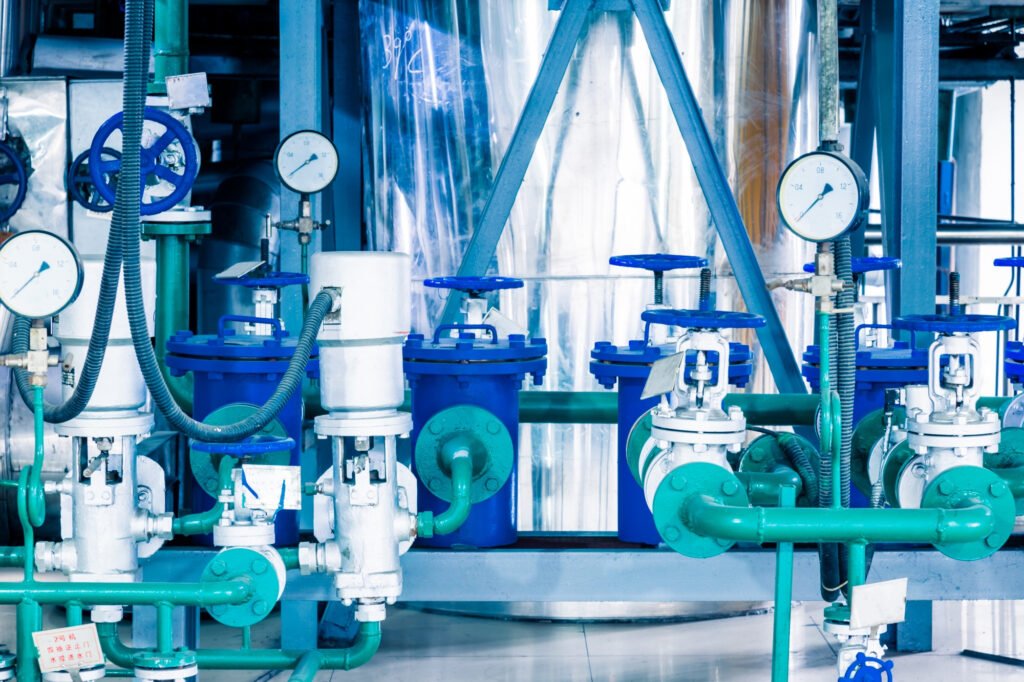
While advanced technology is essential, human expertise remains a critical component of leak prevention. Operators must interpret sensor data, respond to alarms, and perform hands-on inspections when necessary. Combining digital tools with skilled personnel creates a resilient defense against leakage incidents.
Innovative solutions like automated valve monitoring solutions are bridging the gap between manual oversight and fully automated control, enabling faster detection and response to potential leaks.
For more information on the technical aspects of valve monitoring, the article on reciprocating compressor suction and discharge valve monitoring provides a detailed look at real-world applications and monitoring techniques.
Benefits of Robust Leakage Prevention
Investing in comprehensive valve leakage prevention systems delivers measurable benefits across multiple dimensions:
- Enhanced safety: Minimizes the risk of accidents and exposure to hazardous substances.
- Reduced downtime: Early detection prevents unplanned outages and costly repairs.
- Regulatory compliance: Supports adherence to industry standards and environmental regulations.
- Operational efficiency: Maintains process stability and product quality.
- Asset longevity: Protects valves and associated equipment from premature failure.
These advantages make leak prevention an essential investment for any facility seeking to optimize performance and minimize risk.
FAQ: Valve Leakage Prevention and Process Integrity
What are the main causes of valve leakage in industrial systems?
Valve leakage can result from several factors, including worn seals, corrosion, improper installation, pressure surges, and mechanical damage. Regular maintenance and the use of advanced monitoring systems help identify and address these issues before they lead to significant leaks.
How do automated monitoring solutions improve leak detection?
Automated monitoring platforms use sensors and analytics to continuously track valve performance. They can detect subtle changes in pressure, temperature, or acoustic signals that may indicate a developing leak. This allows for faster response and reduces the likelihood of undetected failures.
Are there industry standards for leakage prevention?
Yes, many industries follow specific standards and guidelines for valve integrity, such as those set by the American Petroleum Institute (API), International Organization for Standardization (ISO), and local regulatory bodies. Compliance with these standards is critical for safety, environmental protection, and operational reliability.