
Modern power generation and process industries rely on complex networks of steam valves to control flow, pressure, and temperature. The efficiency, safety, and reliability of these operations depend heavily on the real-time status of these critical components. Steam valve monitoring systems have become essential for plant operators seeking to minimize downtime, optimize performance, and maintain compliance with stringent safety regulations.
This article explores how advanced monitoring technologies are transforming valve management in industrial environments. We’ll look at the key features, benefits, and implementation strategies for these systems, as well as how they integrate with broader plant infrastructure. For those interested in related technologies, you can also learn more about valve monitoring instrumentation tools designed for precision control.
How Valve Monitoring Enhances Plant Operations
In both power generation and process industries, valves regulate the movement of steam through pipelines, boilers, turbines, and other equipment. Failure or suboptimal performance of these valves can lead to significant operational disruptions, energy losses, or even hazardous incidents. Steam valve monitoring systems address these challenges by providing continuous, real-time data on valve position, health, and performance.
Key enhancements provided by these solutions include:
- Early detection of faults such as leaks, sticking, or incomplete closure, reducing the risk of unplanned shutdowns.
- Optimized maintenance scheduling based on actual valve condition rather than fixed intervals, improving resource allocation.
- Improved energy efficiency by ensuring valves operate within specified parameters, minimizing steam losses.
- Regulatory compliance through automated reporting and traceable records of valve activity and maintenance.
Core Components of Modern Steam Valve Monitoring Solutions
Today’s monitoring platforms combine a range of hardware and software technologies to deliver actionable insights. The typical architecture includes:
- Sensors that measure valve position, temperature, pressure, and vibration.
- Data acquisition modules that collect and transmit sensor readings to a central controller or cloud platform.
- Analytics software that processes raw data, identifies anomalies, and generates alerts or maintenance recommendations.
- User interfaces such as dashboards and mobile apps for operators and maintenance teams.
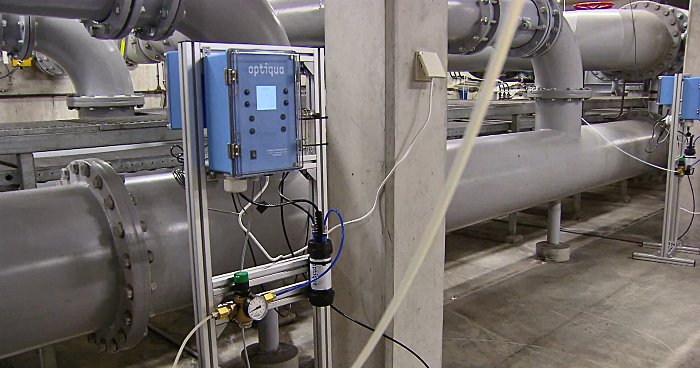
Some advanced systems also integrate with plant-wide control and enterprise resource planning (ERP) systems, supporting smarter planning and resource management. For a deeper dive into this integration, see how valve monitoring integration with ERP is enabling more efficient operations.
Key Benefits of Steam Valve Data Analytics
The shift from manual inspections to automated, data-driven monitoring has brought significant advantages to industrial plants. Some of the most impactful benefits include:
- Predictive maintenance: By analyzing trends in valve performance, operators can predict failures before they occur, reducing costly downtime.
- Enhanced safety: Continuous monitoring helps identify dangerous conditions, such as overpressure or stuck valves, allowing for rapid intervention.
- Reduced operational costs: Targeted maintenance and optimized valve operation lower energy consumption and labor expenses.
- Comprehensive documentation: Automated logging of valve activity supports audits and regulatory inspections.
These benefits are further amplified when monitoring solutions are paired with advanced valve analytics systems that leverage machine learning and historical data for deeper insights.
Implementation Strategies for Power and Process Plants
Deploying a new monitoring platform requires careful planning to ensure compatibility with existing infrastructure and minimal disruption to operations. Here are some best practices for successful implementation:
- Assess current valve inventory and identify critical assets that would benefit most from real-time monitoring.
- Choose compatible sensors and data acquisition hardware that can be retrofitted to existing valves or integrated during upgrades.
- Plan for network connectivity—whether wired or wireless—to ensure reliable data transmission throughout the plant.
- Integrate with control systems and maintenance management platforms for seamless workflow and data sharing.
- Train staff on using dashboards, interpreting alerts, and responding to actionable insights.
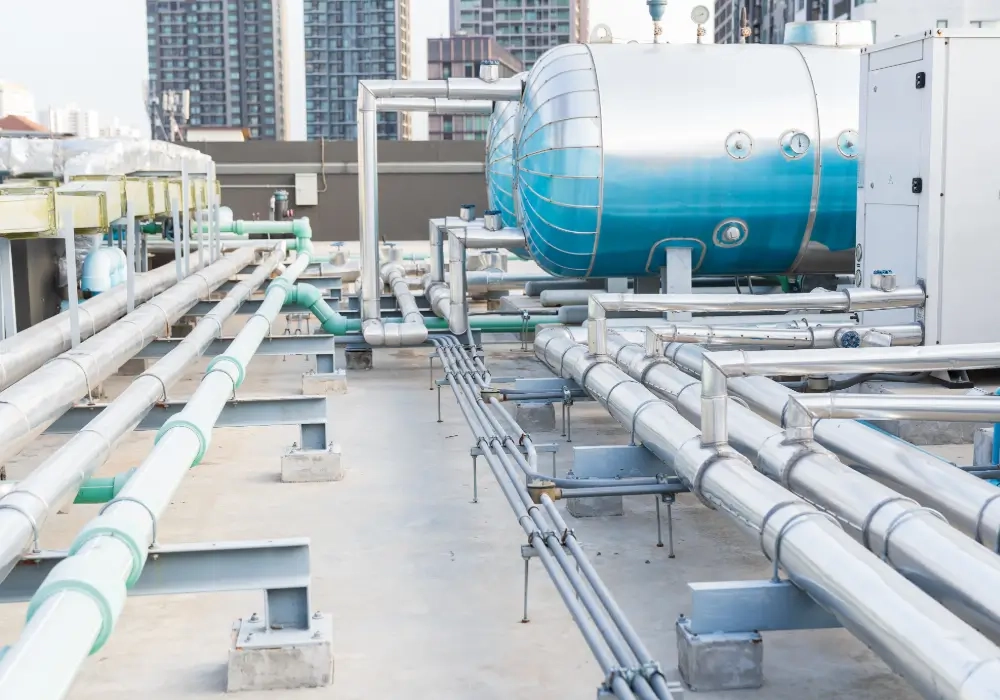
For plants seeking scalable solutions, exploring valve monitoring industrial solutions can provide a roadmap for phased implementation and future expansion.
Integration with Smart Infrastructure and Digitalization
As industrial facilities move toward digital transformation, the role of steam valve monitoring systems is expanding. These platforms are increasingly integrated with IoT frameworks, cloud analytics, and smart infrastructure initiatives. This enables centralized monitoring across multiple sites, remote diagnostics, and automated response to detected issues.
For organizations embracing Industry 4.0, combining monitoring with smart infrastructure solutions can unlock new levels of efficiency, safety, and sustainability.
Choosing the Right Monitoring System
Selecting the most suitable monitoring platform depends on a range of factors, including plant size, existing automation, regulatory requirements, and budget. Key considerations include:
- Scalability: The system should support expansion as plant needs grow.
- Interoperability: Compatibility with existing control and maintenance systems is crucial.
- Data security: With increased connectivity, robust cybersecurity measures are essential.
- Vendor support: Reliable technical support and training ensure long-term success.
For a comprehensive overview of available technologies, the valve diagnostics and monitoring system overview from industry experts offers valuable insights into the latest advancements and best practices.
Frequently Asked Questions
What types of valves can be monitored with these systems?
Most modern platforms support a wide range of valve types, including gate, globe, ball, butterfly, and control valves. Both manual and automated valves can be equipped with sensors for position, temperature, and vibration monitoring.
How does real-time monitoring improve plant safety?
Continuous data collection allows operators to detect abnormal valve behavior—such as sticking, leaks, or incomplete closure—before it leads to hazardous situations. Automated alerts enable rapid response, reducing the risk of accidents and equipment damage.
Can monitoring systems be retrofitted to existing plants?
Yes, many solutions are designed for retrofit applications. Wireless sensors and modular data acquisition units make it possible to upgrade legacy valves without major infrastructure changes or extended downtime.