District heating networks are essential for delivering thermal energy efficiently to residential, commercial, and industrial buildings. The performance and dependability of these systems rely heavily on the proper functioning of their valves. Valve monitoring in district heating systems plays a vital role in ensuring uninterrupted service, optimizing energy use, and minimizing costly breakdowns. With advances in digitalization and analytics, operators now have access to powerful tools for real-time oversight and predictive maintenance.
In this article, we explore the importance of monitoring valves within district heating infrastructure, the technologies available, and best practices for achieving operational excellence. For those interested in the latest instrumentation, valve monitoring instrumentation tools can further enhance precision and control in modern networks.
Understanding the Role of Valve Monitoring in Heat Distribution
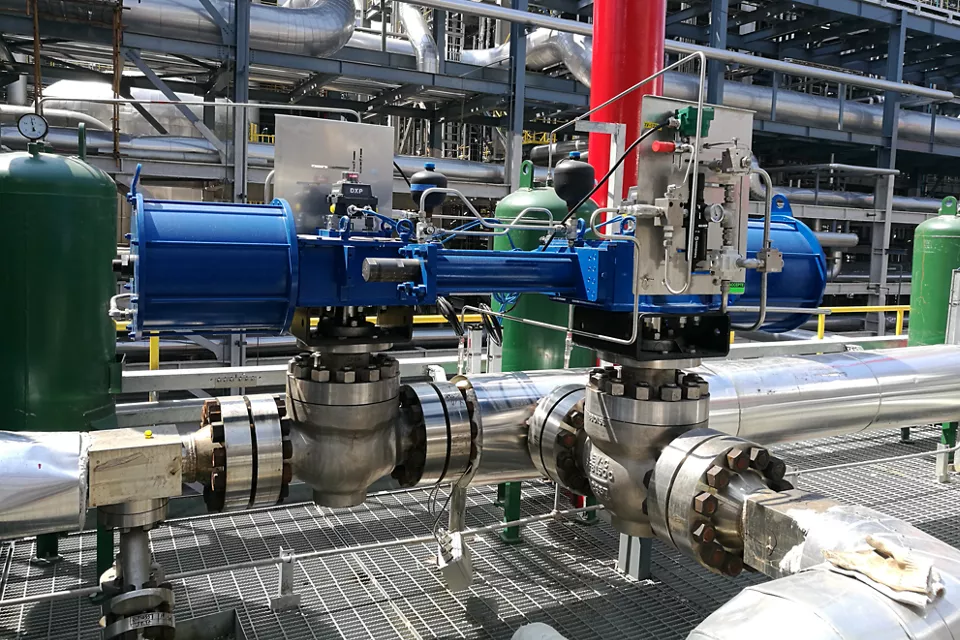
Valves are the control points that regulate the flow of hot water or steam throughout a district heating network. Their health and status directly impact system efficiency, safety, and reliability. If a valve fails or operates outside its intended parameters, it can cause pressure drops, leaks, or even system-wide outages. This is why monitoring valve performance is a cornerstone of modern district heating management.
By continuously tracking valve position, temperature, pressure, and actuation cycles, operators can detect early signs of wear, blockages, or mechanical issues. This proactive approach not only prevents unexpected failures but also extends the lifespan of critical components.
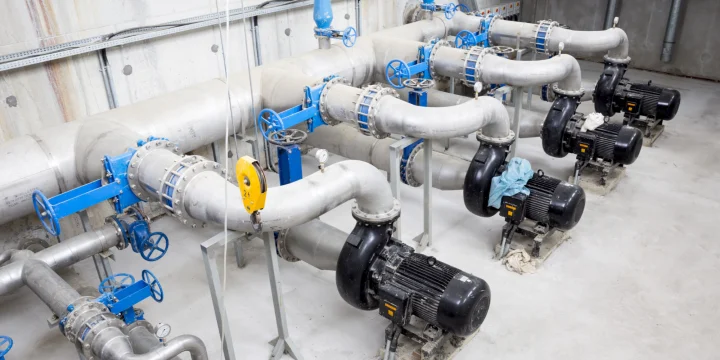
Key Technologies for Monitoring Valves in District Heating
Technological advancements have transformed how district heating operators oversee their valve assets. Some of the most effective solutions for valve monitoring in district heating systems include:
- Smart Sensors: These devices measure parameters such as flow, temperature, and pressure at the valve location. They can also detect vibrations and acoustic signals that indicate mechanical problems.
- Wireless Communication: Modern sensors often transmit data wirelessly, reducing installation complexity and enabling remote monitoring across large or distributed networks.
- Automated Diagnostics: Integrated software platforms analyze sensor data in real time, flagging anomalies and generating maintenance alerts before minor issues escalate.
- Cloud-Based Analytics: Data aggregation in the cloud allows for advanced trend analysis, benchmarking, and predictive maintenance strategies across multiple sites.
For a deeper dive into how analytics can drive smarter maintenance, explore advanced valve analytics systems that leverage data-driven insights for optimal performance.
Benefits of Real-Time Valve Monitoring for Reliability
Implementing continuous oversight of valves delivers several tangible advantages for district heating operators:
- Reduced Downtime: Early detection of faults allows for scheduled repairs, avoiding emergency shutdowns and service interruptions.
- Improved Energy Efficiency: Properly functioning valves minimize heat losses and ensure balanced distribution, reducing overall energy consumption.
- Lower Maintenance Costs: Predictive maintenance based on real-time data helps avoid unnecessary part replacements and labor expenses.
- Enhanced Safety: Monitoring prevents hazardous situations such as overpressure, leaks, or water hammer, protecting both personnel and infrastructure.
These benefits contribute to more sustainable and cost-effective district heating operations, supporting both business goals and environmental targets.
Challenges in Implementing Valve Monitoring Solutions
While the advantages are clear, deploying a robust valve monitoring program in district heating networks comes with its own set of challenges:
- Legacy Infrastructure: Many existing systems were not designed with digital monitoring in mind, requiring retrofitting or upgrades for sensor integration.
- Data Integration: Consolidating information from diverse sources and protocols can be complex, especially in large or multi-vendor environments.
- Cybersecurity: As more assets become connected, ensuring secure data transmission and access control becomes critical.
- Cost Considerations: Initial investments in sensors, communication hardware, and analytics platforms must be justified by long-term savings and reliability improvements.
Despite these hurdles, many operators find that the long-term benefits of digital valve oversight far outweigh the upfront challenges.
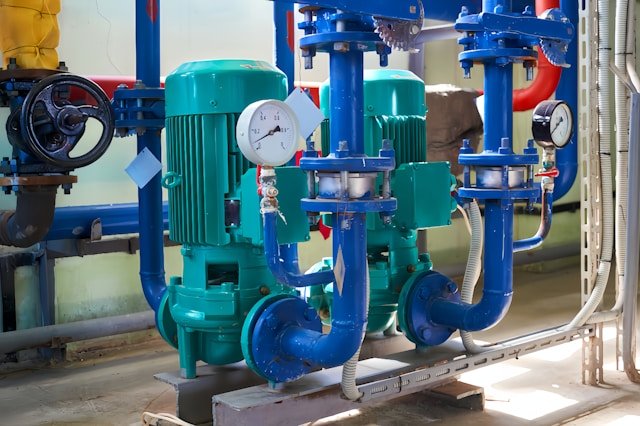
Best Practices for Reliable Valve Oversight in District Heating
To maximize the value of monitoring initiatives, district heating operators should consider the following best practices:
- Start with Critical Assets: Prioritize monitoring for valves that are essential to system operation or located in hard-to-access areas.
- Standardize Data Collection: Use common protocols and formats to simplify integration and analysis across the network.
- Leverage Predictive Analytics: Move beyond simple alarms by applying machine learning and pattern recognition to anticipate failures before they occur.
- Integrate with Maintenance Planning: Connect monitoring data to asset management and ERP systems for streamlined scheduling and resource allocation. For more on this, see valve monitoring integration with ERP.
- Train Staff: Ensure operators and technicians are familiar with new tools and understand how to interpret monitoring data effectively.
By following these guidelines, organizations can build a foundation for resilient, efficient, and future-ready district heating operations.
How Valve Diagnostics Support Predictive Maintenance
Predictive maintenance is a proactive approach that relies on real-time data and analytics to determine the optimal timing for repairs or replacements. In the context of district heating, valve diagnostics provide insights into wear patterns, actuation cycles, and potential failure modes.
Technologies such as acoustic emission monitoring, torque measurement, and advanced analytics help pinpoint issues like seat leakage, stem friction, or actuator malfunctions. For a comprehensive overview of diagnostic techniques, refer to this guide to valve diagnostics.
With predictive maintenance, utilities can reduce unplanned outages, optimize spare parts inventory, and extend the service life of critical assets.
Integrating Valve Monitoring with Broader Industrial Solutions
Modern district heating networks are increasingly adopting holistic approaches that connect valve oversight with other industrial systems. Integrating monitoring platforms with SCADA, ERP, and asset management solutions enables a unified view of operations and maintenance.
For example, combining valve monitoring industrial solutions with smart infrastructure initiatives allows for more agile responses to demand fluctuations, weather events, or equipment failures. This integration supports both operational resilience and long-term sustainability goals.
FAQ: Valve Monitoring in District Heating Networks
What are the main benefits of monitoring valves in district heating?
Continuous oversight of valves helps prevent unexpected failures, reduces downtime, improves energy efficiency, and enhances safety. It also supports predictive maintenance, which can lower long-term operational costs.
How does valve monitoring contribute to predictive maintenance?
By collecting and analyzing real-time data on valve performance, operators can identify early warning signs of wear or malfunction. This information enables maintenance teams to address issues before they lead to breakdowns, optimizing repair schedules and resource use.
Can legacy district heating systems be upgraded for modern valve monitoring?
Yes, many older systems can be retrofitted with smart sensors and wireless communication devices. While integration may require some investment and planning, the long-term reliability and efficiency gains are significant.
What technologies are most commonly used for valve monitoring?
Smart sensors, wireless data transmission, automated diagnostics, and cloud-based analytics are among the most widely adopted technologies. These tools enable real-time tracking and advanced analysis of valve health and performance.
How can operators ensure data security in connected valve monitoring systems?
Implementing robust cybersecurity measures—such as encryption, secure authentication, and regular software updates—helps protect sensitive data and prevent unauthorized access to critical infrastructure.