Industrial operations rely on a vast network of valves to control the flow of liquids, gases, and other materials. Ensuring these valves function properly is not just a matter of efficiency—it’s a critical component of safety, regulatory compliance, and operational reliability. Valve compliance monitoring systems have emerged as essential tools for industries aiming to meet stringent standards while minimizing downtime and risk.
These advanced solutions provide real-time data on valve performance, alerting operators to potential issues before they escalate into costly failures or safety incidents. By integrating digital monitoring with analytics, companies can streamline maintenance, demonstrate regulatory adherence, and optimize asset lifecycles. For organizations seeking to modernize their approach, understanding the technology and best practices behind compliance monitoring is key.
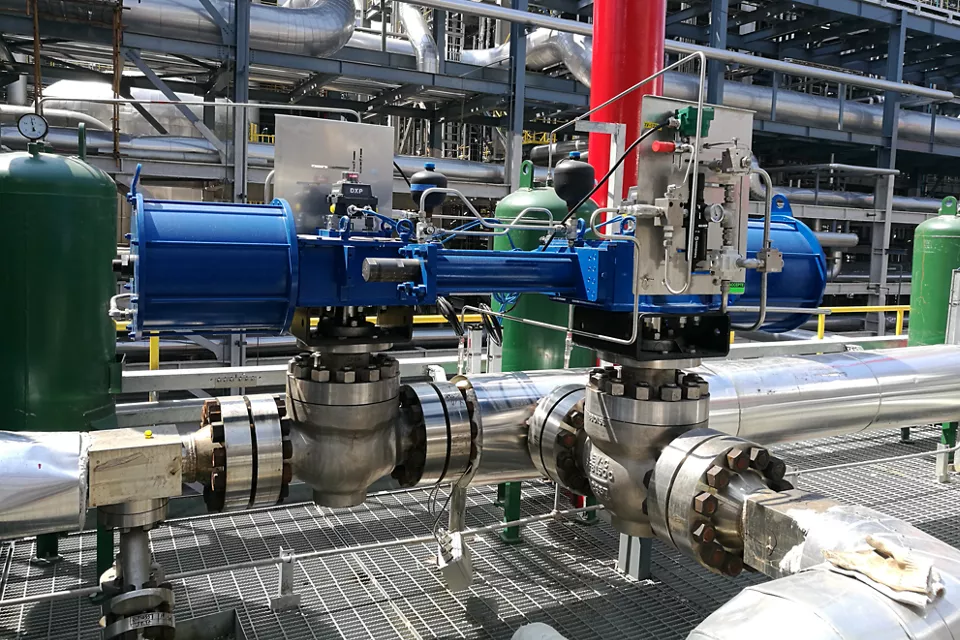
For those interested in the broader landscape of smart valve management, exploring valve monitoring instrumentation tools can provide additional insights into precision control and digital transformation in industrial settings.
Understanding the Role of Valve Compliance Monitoring
Modern industrial facilities must adhere to a complex web of regulations, including environmental, safety, and quality standards. Valves are often at the heart of these requirements, as their failure can lead to leaks, emissions, or hazardous events. Valve compliance monitoring systems are designed to continuously track the status and health of critical valves, ensuring they operate within defined parameters and comply with industry norms.
These systems typically combine sensors, data acquisition hardware, and analytics software to provide a comprehensive view of valve performance. By automating data collection and reporting, organizations can reduce manual inspection burdens and provide auditable records for regulatory bodies.
Key Features of Modern Valve Compliance Solutions
Today’s compliance monitoring platforms offer a range of features tailored to the needs of industrial operators. Some of the most important include:
- Real-time monitoring: Continuous data streams from sensors allow immediate detection of anomalies or deviations from setpoints.
- Automated alerts: When a valve operates outside of compliance thresholds, the system notifies operators for rapid response.
- Data logging and reporting: Detailed records support regulatory audits and internal reviews, reducing the risk of non-compliance penalties.
- Predictive maintenance: By analyzing trends, these systems can forecast potential failures, enabling proactive repairs and minimizing unplanned downtime.
- Integration capabilities: Advanced platforms can connect with existing plant control systems, enterprise resource planning (ERP), and other digital infrastructure for seamless data flow.
For organizations seeking to leverage data-driven maintenance, reviewing advanced valve analytics systems can reveal how predictive insights are transforming asset management.
Benefits of Implementing Compliance Monitoring in Industrial Environments
Adopting a comprehensive valve monitoring strategy delivers tangible benefits across multiple dimensions:
- Enhanced safety: Early detection of leaks, blockages, or malfunctions reduces the risk of accidents and environmental incidents.
- Regulatory assurance: Automated documentation and reporting streamline compliance with local, national, and international standards.
- Cost savings: Preventive maintenance and reduced downtime translate into lower operational costs and longer equipment lifespan.
- Operational efficiency: Real-time insights enable operators to optimize process flows and respond rapidly to changing conditions.
- Audit readiness: Detailed logs and reports simplify the process of demonstrating compliance during inspections or investigations.
These advantages are particularly significant in industries such as oil and gas, chemical processing, power generation, and pharmaceuticals, where valve performance directly impacts safety and regulatory outcomes.
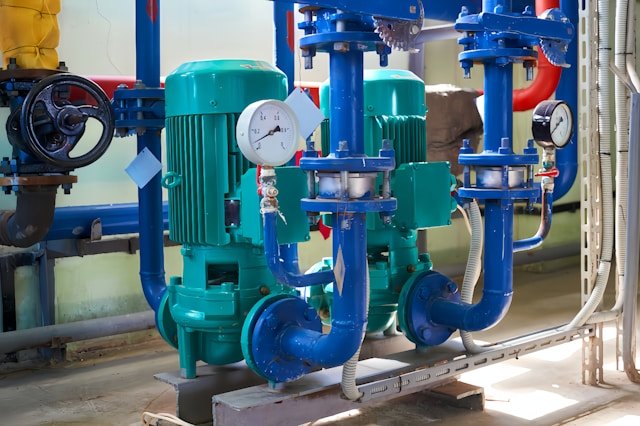
How Compliance Monitoring Systems Support Industry Standards
Meeting industry standards is a dynamic challenge, as regulations evolve and new risks emerge. Valve compliance monitoring systems are designed to adapt to these changes by providing configurable parameters, automated updates, and scalable architectures. Some of the key standards and regulations addressed by these systems include:
- Environmental Protection Agency (EPA) requirements for leak detection and repair (LDAR)
- Occupational Safety and Health Administration (OSHA) process safety management (PSM) standards
- American Petroleum Institute (API) and International Organization for Standardization (ISO) guidelines for valve performance and testing
- Industry-specific protocols for pharmaceuticals, food processing, and energy sectors
By automating compliance tasks, these solutions help companies avoid penalties, protect their reputation, and foster a culture of safety and accountability.
For more technical details on diagnostic capabilities, resources like the valve diagnostics data sheet library offer in-depth information on performance monitoring and compliance verification.
Integration with Smart Infrastructure and Digital Transformation
The evolution of industrial automation has made it possible for compliance monitoring to be part of a larger digital ecosystem. Integrating these systems with smart infrastructure allows for centralized control, remote diagnostics, and advanced analytics. This integration not only improves compliance but also supports broader digital transformation goals.
Facilities that connect their monitoring platforms with ERP systems or smart plant infrastructure can achieve higher levels of efficiency and data-driven decision-making. To learn more about these integrations, see how valve monitoring integration with ERP is enabling smarter planning and resource allocation.
Best Practices for Deploying Valve Monitoring Solutions
Successful implementation of a compliance monitoring program requires careful planning and execution. Here are some best practices to consider:
- Assess critical assets: Identify which valves are most vital to safety, compliance, and process continuity.
- Choose scalable technology: Opt for systems that can grow with your facility and adapt to new regulatory requirements.
- Ensure interoperability: Select platforms that integrate smoothly with existing control and data systems.
- Train personnel: Provide comprehensive training to operators and maintenance teams on system use and response protocols.
- Regularly review performance: Use analytics and reporting features to continuously improve compliance and operational outcomes.
For facilities modernizing their operations, exploring industrial valve monitoring solutions can provide a roadmap for scalable, future-ready compliance.
Frequently Asked Questions
What types of valves can be monitored for compliance?
Most modern monitoring systems are compatible with a wide range of valve types, including ball, gate, globe, butterfly, and control valves. The choice of sensors and analytics can be tailored to the specific requirements of each valve and application.
How do these systems help with regulatory audits?
By automatically logging operational data and generating compliance reports, these platforms make it easier to demonstrate adherence to industry standards during audits. This reduces manual paperwork and ensures that records are accurate and up to date.
Can compliance monitoring be integrated with other plant systems?
Yes, many solutions are designed for seamless integration with plant control systems, ERP platforms, and smart infrastructure. This enables centralized management and supports broader digital transformation initiatives.
What are the main challenges in adopting valve monitoring technology?
Common challenges include initial investment costs, integration with legacy systems, and the need for staff training. However, the long-term benefits in safety, compliance, and operational efficiency often outweigh these hurdles.
Is predictive maintenance possible with these systems?
Absolutely. By analyzing trends in valve performance data, predictive maintenance features can identify potential issues before they cause failures, reducing downtime and maintenance costs.