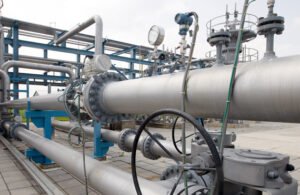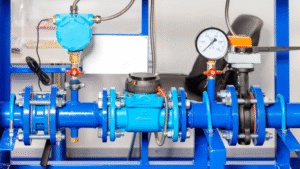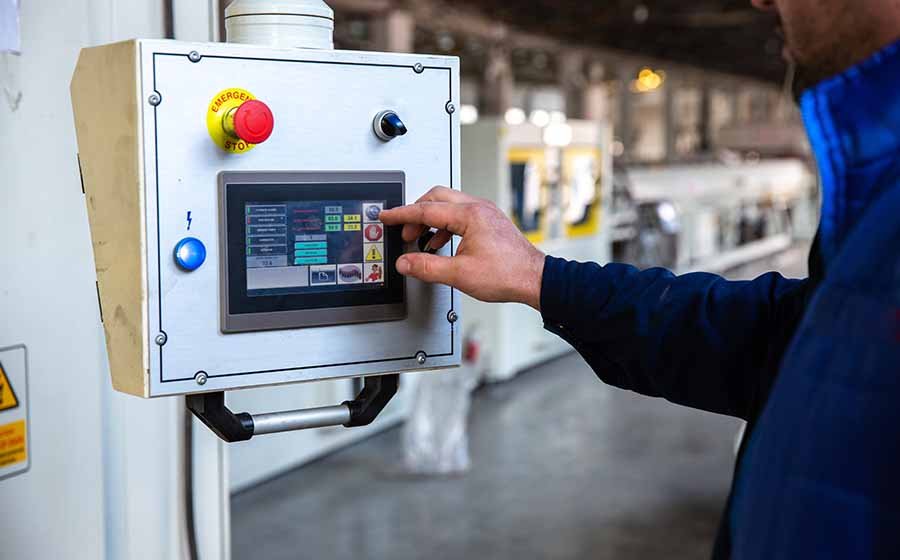

Modern marine vessels rely on a complex network of valves to control the flow of water, fuel, lubricants, and other critical fluids. As ships grow larger and regulations become stricter, the importance of valve monitoring in marine applications has never been greater. Effective oversight ensures safety, operational efficiency, and compliance with international standards. This article explores the latest trends, technologies, and best practices for tracking valve performance at sea.
From cargo ships to offshore platforms, the ability to monitor and manage valves remotely is transforming marine operations. By integrating advanced sensors, analytics, and automation, vessel operators can detect issues early, reduce downtime, and optimize maintenance schedules. For a deeper dive into the instrumentation side, see our overview of valve monitoring instrumentation tools for precision control.
Why Valve Oversight Matters at Sea
Valves are the gatekeepers of fluid systems on ships and offshore structures. They regulate ballast water, manage bilge and ballast operations, control fire suppression systems, and ensure proper fuel delivery. Any malfunction can lead to safety hazards, environmental incidents, or costly repairs. That’s why valve monitoring in marine applications is a top priority for shipowners and operators.
Key reasons for prioritizing valve oversight include:
- Safety: Early detection of leaks or blockages helps prevent flooding, fires, and hazardous spills.
- Regulatory Compliance: International Maritime Organization (IMO) and other authorities require strict monitoring of ballast and bilge systems to prevent pollution.
- Operational Efficiency: Real-time data enables proactive maintenance, reducing unplanned downtime and extending equipment life.
- Cost Savings: Automated alerts and diagnostics minimize manual inspections and emergency repairs.
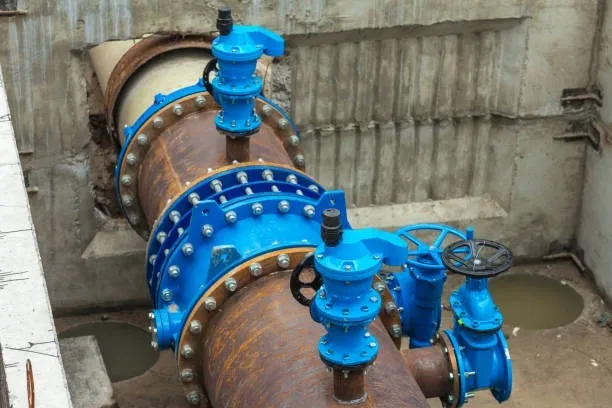
Core Technologies for Valve Monitoring in Marine Environments
Marine vessels operate in harsh, corrosive conditions that demand robust and reliable monitoring solutions. The latest systems combine hardware and software to deliver actionable insights to crew and shore-based teams. Here are some of the most important technologies enabling effective valve monitoring in marine applications:
- Smart Sensors: Pressure, temperature, and position sensors provide real-time data on valve status and performance.
- Wireless Connectivity: Wireless networks reduce the need for extensive cabling and allow flexible sensor placement, even in hard-to-reach locations.
- Data Analytics: Advanced analytics platforms process sensor data to identify trends, predict failures, and recommend maintenance actions.
- Remote Access: Cloud-based dashboards enable engineers and operators to monitor valves from anywhere, improving response times and decision-making.
- Integration with Vessel Systems: Modern monitoring tools can connect with ship automation, alarm, and maintenance management systems for seamless operation.
For those interested in how these systems fit within broader industrial settings, our article on valve monitoring industrial solutions provides additional context.
Key Applications of Valve Monitoring on Ships and Offshore Platforms
Valve oversight is essential across a wide range of marine systems. Some of the most critical applications include:
- Ballast Water Management: Monitoring ensures compliance with environmental regulations and prevents the spread of invasive species.
- Fuel and Lubrication Systems: Accurate valve control optimizes engine performance and reduces the risk of contamination or leaks.
- Fire Suppression: Reliable valve operation is vital for the effectiveness of water mist, CO2, and foam systems in emergencies.
- Bilge and Wastewater Handling: Automated monitoring helps prevent illegal discharges and supports environmentally responsible operations.
- Cargo Handling: On tankers and chemical carriers, valve status directly impacts loading, unloading, and safety procedures.
Benefits of Digital Valve Monitoring for Marine Operators
Transitioning from manual checks to digital monitoring brings several advantages for marine operators:
- Improved Reliability: Continuous data collection reduces the risk of undetected failures.
- Faster Response: Automated alerts enable crews to act quickly in case of anomalies or emergencies.
- Predictive Maintenance: Data-driven insights help schedule maintenance based on actual valve condition, not just fixed intervals.
- Regulatory Readiness: Digital records simplify compliance reporting and audits.
- Resource Optimization: Fewer manual inspections free up crew time for other critical tasks.
For a look at how analytics can further enhance maintenance strategies, explore our discussion on advanced valve analytics systems for data-driven maintenance.
Challenges and Considerations in Marine Valve Monitoring
Implementing a comprehensive monitoring solution on vessels presents unique challenges:
- Environmental Factors: Saltwater, vibration, and temperature extremes can affect sensor accuracy and lifespan.
- Integration Complexity: Legacy systems may require custom interfaces or upgrades to support digital monitoring.
- Cybersecurity: As more systems connect to the internet, protecting sensitive data and operational controls becomes critical.
- Training: Crew members need to understand how to interpret data and respond to alerts effectively.
Despite these challenges, advances in sensor durability, wireless networking, and software usability are making digital valve oversight more accessible and reliable for marine applications.
Future Trends in Marine Valve Monitoring
The future of valve monitoring in marine applications is shaped by several emerging trends:
- IoT Integration: The Internet of Things is enabling more granular, real-time monitoring and remote diagnostics.
- AI and Machine Learning: Predictive algorithms are improving failure detection and maintenance planning.
- Cloud-Based Platforms: Centralized data storage and analytics support fleet-wide oversight and benchmarking.
- Regulatory Evolution: New rules may require even more detailed monitoring and reporting, especially for emissions and ballast water management.
For more on how smart infrastructure is evolving, see our article on valve monitoring smart infrastructure.
Best Practices for Implementing Valve Monitoring at Sea
To maximize the benefits of digital valve oversight, marine operators should consider the following best practices:
- Assess System Requirements: Identify critical valves and prioritize those with the highest safety or operational impact.
- Choose Marine-Grade Equipment: Select sensors and controllers designed for harsh environments.
- Plan for Integration: Ensure compatibility with existing automation and alarm systems.
- Establish Data Protocols: Define how data will be collected, stored, and analyzed.
- Train Crew: Provide hands-on training to ensure effective use of monitoring tools and response to alerts.
- Review Regularly: Periodically assess system performance and update procedures as needed.
For a look at how integration with broader operational systems can drive smarter planning, visit our resource on valve monitoring integration with ERP.
Innovations in Valve Technology for Marine Use
Recent innovations are further enhancing the reliability and efficiency of valve monitoring in marine environments. Advances in materials, sensor miniaturization, and wireless communication are making it easier to deploy comprehensive oversight systems even on older vessels. For a detailed look at how these innovations are shaping the industry, see this overview of industrial valve technology advancements.
Frequently Asked Questions
What are the main benefits of digital valve monitoring for ships?
Digital monitoring provides real-time visibility into valve status, enabling early detection of issues, reducing manual inspections, and supporting predictive maintenance. This leads to increased safety, lower operating costs, and easier compliance with maritime regulations.
How does valve monitoring help with environmental compliance?
Automated systems track valve operations in ballast, bilge, and wastewater systems, ensuring that discharges and transfers comply with international standards. Digital records simplify reporting and help avoid costly fines or environmental incidents.
Can existing vessels be retrofitted with modern valve monitoring systems?
Yes, many modern sensors and monitoring platforms are designed for retrofit applications. Wireless technologies and modular components make it possible to upgrade legacy systems without extensive rewiring or downtime.