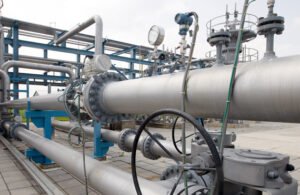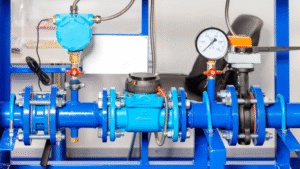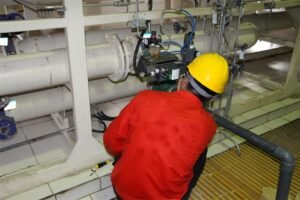

The reliability and efficiency of power generation facilities depend heavily on the performance of their valves. As the backbone of fluid and gas control, valves play a crucial role in maintaining safe and stable plant operations. Valve monitoring in power plants has evolved significantly, with modern systems offering real-time insights, predictive maintenance, and enhanced safety. This article explores the technologies, benefits, and best practices for implementing advanced monitoring solutions in power generation environments.
With the increasing complexity of plant infrastructure, the need for accurate, continuous valve performance data has never been greater. Operators and maintenance teams rely on these systems not only to prevent costly failures but also to optimize asset utilization and comply with stringent regulatory standards. For those seeking to deepen their understanding of instrumentation and analytics, exploring valve monitoring instrumentation tools can provide valuable context on precision control strategies.
The Role of Valve Monitoring in Power Plants
In large-scale energy production, valves regulate the flow of steam, water, fuel, and other critical media. Any malfunction can lead to operational disruptions, safety incidents, or environmental hazards. By integrating valve monitoring in power plants, operators gain the ability to track valve position, temperature, pressure, and vibration in real time. This data-driven approach allows for early detection of wear, leaks, or misalignments, minimizing unplanned downtime.
Modern monitoring systems utilize a combination of sensors, transmitters, and analytics platforms. These components work together to provide actionable information, supporting both routine maintenance and emergency response. The adoption of digital valve monitoring aligns with broader trends in industrial automation and digital transformation, enabling smarter, more resilient plant operations.
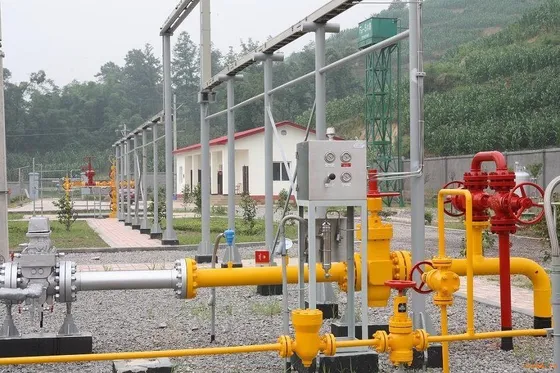
Key Technologies in Valve Condition Monitoring
The landscape of valve monitoring technologies has expanded rapidly. Today’s systems incorporate a range of sensors and digital tools designed to capture and interpret critical performance metrics. Some of the most common technologies include:
- Position Sensors: These devices track whether a valve is open, closed, or partially open, ensuring proper sequencing and process control.
- Pressure and Temperature Sensors: Monitoring these parameters helps detect abnormal conditions that could indicate blockages, leaks, or thermal stress.
- Vibration and Acoustic Sensors: By analyzing vibration signatures or acoustic emissions, these sensors can identify early signs of mechanical degradation or cavitation.
- Wireless Communication: Many modern systems use wireless protocols to transmit data from remote or hard-to-access valves, reducing installation complexity.
- Analytics Software: Advanced platforms aggregate sensor data and use algorithms to predict failures, schedule maintenance, and generate reports.
For facilities seeking to leverage data-driven maintenance, integrating advanced valve analytics systems can further enhance predictive capabilities and asset management.
Benefits of Implementing Valve Monitoring Solutions
Deploying robust monitoring infrastructure delivers significant advantages for power plant operators:
- Improved Reliability: Continuous monitoring reduces the risk of unexpected valve failures, supporting uninterrupted power generation.
- Enhanced Safety: Early detection of leaks or malfunctions helps prevent hazardous incidents and protects personnel.
- Optimized Maintenance: Predictive insights enable condition-based maintenance, reducing unnecessary interventions and extending valve lifespan.
- Regulatory Compliance: Automated data logging and reporting simplify compliance with environmental and safety regulations.
- Cost Savings: By minimizing downtime and avoiding catastrophic failures, plants can achieve substantial operational savings.
These benefits are amplified when monitoring is integrated with other plant systems, such as enterprise resource planning (ERP) platforms or smart infrastructure solutions. For more on integration strategies, see valve monitoring integration with ERP.
Challenges and Best Practices for Valve Monitoring in Power Plants
While the advantages are clear, implementing effective monitoring comes with its own set of challenges. Power plants often feature a mix of legacy and modern equipment, requiring solutions that can bridge technology gaps. Environmental factors such as high temperatures, vibration, and electromagnetic interference can also impact sensor performance.
Best practices for successful deployment include:
- Comprehensive Assessment: Evaluate the types, locations, and criticality of valves to determine monitoring priorities.
- Scalable Architecture: Choose systems that can accommodate future expansion and integrate with plant-wide control networks.
- Regular Calibration: Schedule periodic calibration and testing of sensors to maintain accuracy and reliability.
- Cybersecurity: Protect data integrity and prevent unauthorized access, especially when using wireless or networked solutions.
- Training: Ensure that operations and maintenance staff are trained to interpret monitoring data and respond appropriately.
For plants seeking comprehensive solutions, exploring industrial valve monitoring solutions can provide insights into scalable, future-ready options.
Digital Transformation and the Future of Valve Monitoring
The shift toward digitalization is reshaping how power plants manage their assets. The integration of Industrial Internet of Things (IIoT) technologies, cloud analytics, and artificial intelligence is enabling more sophisticated monitoring and control. These advancements support not only operational efficiency but also sustainability initiatives, as plants can better manage emissions and resource consumption.
Industry leaders are increasingly recognizing the value of digital valve monitoring as part of their broader transformation strategies. For a deeper dive into how digital solutions are driving value in this space, see this expert perspective on digital transformation in valve monitoring.
As technology continues to evolve, the focus will shift toward greater automation, self-diagnostics, and integration with plant-wide digital ecosystems. This will empower operators to make more informed decisions, reduce manual intervention, and achieve higher levels of operational excellence.
Frequently Asked Questions
What are the most important parameters to monitor in power plant valves?
Key parameters include valve position, pressure, temperature, vibration, and acoustic emissions. Monitoring these factors helps detect early signs of wear, leaks, or misalignment, ensuring reliable and safe operation.
How does predictive maintenance benefit from valve monitoring in power plants?
Predictive maintenance leverages real-time and historical data from monitoring systems to forecast potential failures. This enables maintenance teams to address issues before they escalate, reducing unplanned downtime and extending equipment lifespan.
Can valve monitoring systems be integrated with existing plant infrastructure?
Yes, most modern monitoring solutions are designed for compatibility with a range of control systems and can be integrated with plant-wide networks, including SCADA, DCS, and ERP platforms. This ensures seamless data flow and centralized management.
Conclusion
Adopting advanced valve monitoring in power plants is essential for maintaining operational reliability, safety, and efficiency. By leveraging the latest sensor technologies, analytics platforms, and integration strategies, power generation facilities can proactively manage their assets and adapt to the demands of modern energy production. For those interested in exploring how these systems fit into broader smart infrastructure initiatives, reviewing valve monitoring smart infrastructure resources can offer further guidance.