Industrial facilities rely on a vast network of valves to control the flow of liquids, gases, and other materials throughout their processes. Ensuring these valves operate efficiently and reliably is crucial for safety, productivity, and regulatory compliance. Valve monitoring solutions have become an essential part of modern industrial operations, providing real-time data that helps operators detect issues early, optimize maintenance, and reduce downtime.
With the increasing complexity of industrial systems, manual valve checks are no longer sufficient. Automated monitoring technologies now offer advanced features such as remote diagnostics, predictive analytics, and integration with plant-wide control systems. These innovations are transforming how industries manage their critical assets, leading to improved performance and cost savings.

For those seeking to enhance precision and control in their facilities, exploring valve monitoring instrumentation tools can provide valuable insights into available technologies and best practices.
Understanding the Role of Valve Monitoring in Industry
Valves serve as the gatekeepers of industrial processes, regulating the movement of fluids and ensuring safe operation. When a valve fails or operates outside its intended parameters, the consequences can range from minor inefficiencies to catastrophic failures. This is where valve monitoring solutions play a pivotal role.
By continuously tracking valve position, performance, and health, these systems enable operators to:
- Detect leaks, blockages, or abnormal operation before they escalate
- Schedule maintenance based on actual usage and wear, rather than fixed intervals
- Comply with safety and environmental regulations through accurate record-keeping
- Reduce unplanned downtime and associated costs
The adoption of digital monitoring is especially critical in sectors such as oil and gas, chemical processing, water treatment, and power generation, where reliability and safety are non-negotiable.
Key Components of Modern Valve Monitoring Solutions
Today’s valve monitoring solutions are more than just simple sensors. They typically include a combination of hardware and software designed to deliver actionable insights:
- Sensors and Actuators: Devices that measure valve position, pressure, temperature, and flow. These can be retrofitted to existing valves or integrated into new installations.
- Communication Modules: Wireless or wired systems that transmit data to central control rooms or cloud platforms, enabling remote monitoring and diagnostics.
- Analytics Software: Platforms that process raw sensor data, identify trends, and generate alerts or maintenance recommendations.
- Integration Capabilities: The ability to connect with SCADA, DCS, or ERP systems for seamless data sharing and process optimization.
Advanced solutions may also incorporate machine learning algorithms to predict failures before they occur, further reducing the risk of unplanned outages.
Benefits of Deploying Valve Condition Monitoring
Implementing a robust monitoring strategy offers several tangible advantages for industrial operators:
- Increased Equipment Uptime: Early detection of wear or malfunction allows for timely intervention, minimizing process interruptions.
- Optimized Maintenance: Data-driven insights enable predictive maintenance, reducing unnecessary service and extending asset life.
- Enhanced Safety: Real-time alerts help prevent hazardous situations caused by valve failures or leaks.
- Regulatory Compliance: Automated record-keeping supports audits and helps meet industry standards for safety and environmental stewardship.
- Cost Savings: Reduced downtime, fewer emergency repairs, and longer equipment life translate into lower operational expenses.
For a deeper dive into how these benefits translate to modern plants, review the overview of valve monitoring industrial solutions and their impact on operational efficiency.
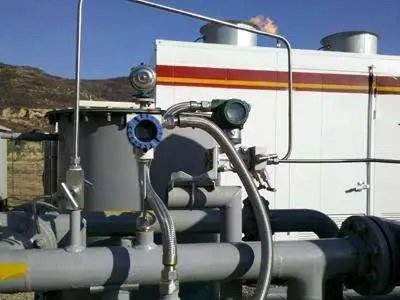
Types of Valve Monitoring Technologies
There are several approaches to monitoring valve performance, each suited to different operational needs:
- Discrete Position Monitoring: Simple open/closed status detection, often used for safety interlocks or basic process control.
- Continuous Position Sensing: Provides real-time feedback on valve position, enabling precise flow control and diagnostics.
- Condition-Based Monitoring: Tracks parameters such as vibration, temperature, and pressure to assess valve health and predict failures.
- Wireless Monitoring: Ideal for remote or hard-to-access locations, wireless solutions reduce installation costs and simplify data collection.
Selecting the right technology depends on factors such as process criticality, environmental conditions, and integration requirements.
Integration with Industrial Automation Systems
A key advantage of modern valve monitoring solutions is their ability to integrate with broader automation and information systems. This integration allows for centralized data management, advanced analytics, and coordinated control strategies across the facility.
For example, linking valve data with enterprise resource planning (ERP) platforms can streamline maintenance planning and inventory management. To learn more about this approach, see the discussion on valve monitoring integration with ERP for smarter planning.
Additionally, integration with SCADA and DCS systems enables real-time visualization of valve status, automatic shutdowns in case of faults, and improved process optimization.
Best Practices for Implementing Valve Monitoring in Industrial Settings
To maximize the value of a monitoring program, consider the following best practices:
- Conduct a Needs Assessment: Identify critical valves and prioritize monitoring based on risk, process importance, and safety requirements.
- Choose Scalable Solutions: Select technologies that can grow with your facility and adapt to changing operational needs.
- Ensure Data Quality: Regularly calibrate sensors and validate data to maintain accuracy and reliability.
- Train Personnel: Equip staff with the skills needed to interpret data and respond to alerts effectively.
- Review and Refine: Continuously evaluate system performance and update monitoring strategies as new technologies and insights become available.
For organizations looking to leverage advanced analytics, exploring advanced valve analytics systems can provide a pathway to predictive maintenance and smarter decision-making.
Industry Applications and Case Examples
Valve monitoring is widely adopted across various sectors, each with unique challenges and requirements:
- Oil & Gas: Monitoring critical shut-off and control valves to prevent leaks and ensure safe operation in hazardous environments.
- Chemical Processing: Ensuring precise flow control and compliance with strict safety regulations.
- Water & Wastewater: Managing large networks of valves for distribution, treatment, and environmental protection.
- Power Generation: Maintaining steam and cooling systems for reliable energy production.
To see how these solutions are tailored to smart infrastructure, visit the resource on valve monitoring for smart industrial infrastructure.
For a broader perspective on how monitoring and control are applied across process industries, the overview of valve monitoring and control in process industries provides additional context and industry examples.
Frequently Asked Questions
What are the main benefits of using automated valve monitoring?
Automated systems provide continuous oversight of valve performance, enabling early detection of issues, optimizing maintenance schedules, and reducing unplanned downtime. This leads to improved safety, regulatory compliance, and cost savings across industrial operations.
How do I choose the right valve monitoring technology for my facility?
Selection depends on factors such as the criticality of the process, environmental conditions, integration needs, and budget. It’s important to assess which valves are most vital to operations and choose scalable, reliable solutions that fit your existing infrastructure.
Can valve monitoring solutions be retrofitted to existing equipment?
Yes, many modern systems are designed for easy retrofitting. Wireless sensors and modular components can often be installed on existing valves without major modifications, making it feasible to upgrade legacy assets with minimal disruption.