
In modern industrial environments, the safe and reliable operation of valves is essential for protecting equipment, personnel, and the environment. As facilities become more complex and regulations tighten, valve operational risk monitoring has emerged as a crucial strategy for minimizing hazards and ensuring compliance. By leveraging real-time data, advanced analytics, and intelligent instrumentation, organizations can proactively identify potential failures, reduce downtime, and optimize maintenance schedules.
Effective risk monitoring not only helps prevent catastrophic incidents but also supports operational efficiency and cost control. This article explores the core principles, technologies, and best practices for monitoring valve risks in industrial settings, highlighting how digital transformation is reshaping safety management. For those interested in the technical side, exploring valve monitoring instrumentation tools can provide deeper insights into precision control and data acquisition.
Understanding the Importance of Valve Risk Assessment
Industrial valves regulate the flow of liquids, gases, and slurries across pipelines and process systems. When these components fail or operate outside safe parameters, the consequences can include leaks, explosions, environmental contamination, and costly production losses. Valve operational risk monitoring provides a systematic approach to identifying, evaluating, and mitigating these risks before they escalate.
Key reasons for prioritizing valve risk assessment include:
- Safety: Preventing accidents that could harm workers or the public.
- Regulatory compliance: Meeting industry standards and legal requirements.
- Asset protection: Extending the lifespan of critical infrastructure.
- Operational continuity: Minimizing unplanned shutdowns and production interruptions.
By integrating risk assessment into daily operations, facilities can move from reactive maintenance to a more proactive, predictive approach.
Technologies Enabling Modern Valve Risk Monitoring
Recent advances in industrial automation and digitalization have transformed how organizations monitor and manage valve-related risks. Key technologies include:
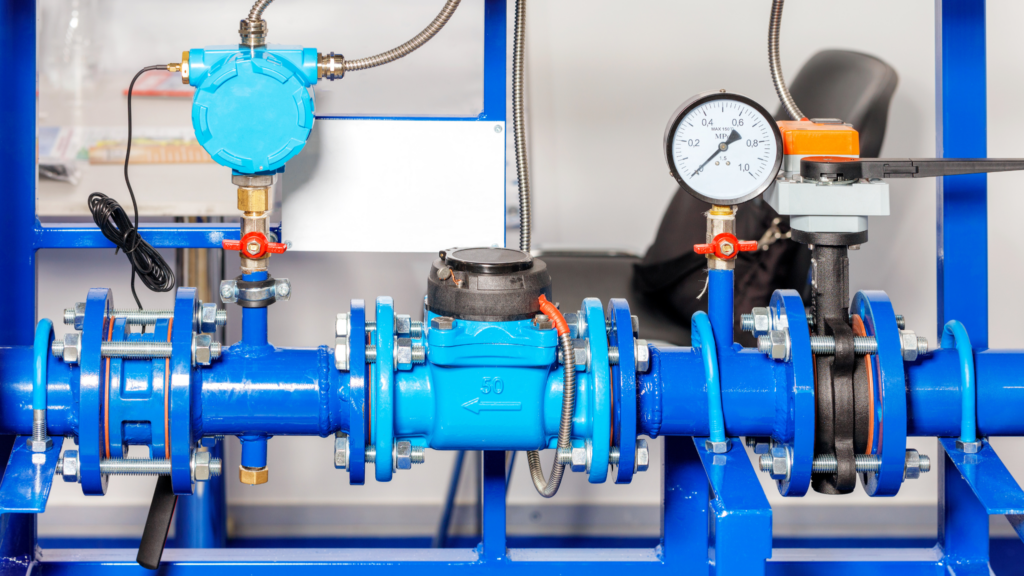
- Smart sensors and IoT devices: These components continuously collect data on valve position, pressure, temperature, and vibration. The data is transmitted to centralized platforms for analysis.
- Advanced analytics and machine learning: Algorithms process historical and real-time data to detect anomalies, predict failures, and recommend maintenance actions.
- Cloud-based monitoring platforms: Centralized dashboards provide visibility across multiple sites, enabling remote diagnostics and faster decision-making.
- Automated alerts and reporting: When a risk threshold is exceeded, automated notifications are sent to maintenance teams, ensuring rapid response.
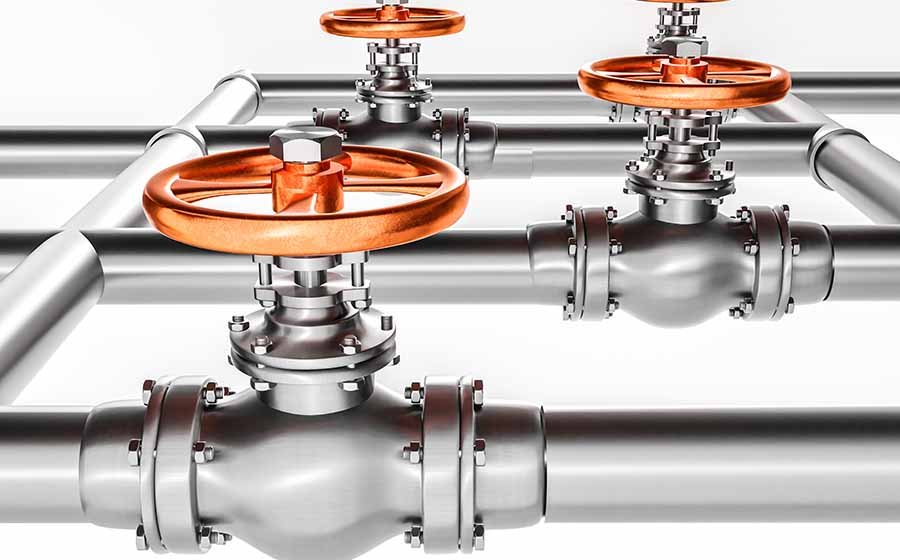
Implementing these technologies not only enhances safety but also supports data-driven maintenance strategies. For instance, organizations can leverage advanced valve analytics systems to gain deeper insights into asset health and optimize maintenance intervals.
Best Practices for Implementing Valve Operational Risk Monitoring
To maximize the benefits of risk monitoring, organizations should follow a set of best practices tailored to their operational context. These include:
- Conduct a comprehensive risk assessment: Identify all critical valves, assess their failure modes, and prioritize monitoring based on potential impact.
- Integrate with existing systems: Ensure that monitoring solutions are compatible with current control systems, SCADA, and maintenance management platforms.
- Establish clear thresholds and response protocols: Define what constitutes abnormal operation and develop procedures for escalation and intervention.
- Train personnel: Equip staff with the skills to interpret monitoring data and respond effectively to alerts.
- Continuously review and update risk models: As new data becomes available, refine risk assessment models to reflect changing conditions and emerging threats.
Adopting these practices helps organizations build a robust safety culture and ensures that risk monitoring delivers measurable improvements in reliability and compliance.
Integrating Valve Monitoring with Broader Industrial Systems
For maximum effectiveness, valve risk monitoring should not operate in isolation. Instead, it should be integrated with broader industrial systems such as enterprise resource planning (ERP), asset management, and smart infrastructure platforms. This integration enables holistic visibility and more informed decision-making across the organization.
For example, combining valve data with ERP systems allows for smarter planning of maintenance activities and resource allocation. To learn more about this integration, see the guide on valve monitoring integration with ERP.

Additionally, the adoption of smart infrastructure solutions can further enhance the value of risk monitoring. Facilities that embrace digital transformation are better positioned to respond to evolving safety requirements and operational challenges. For a broader perspective, consider exploring valve monitoring for smart industrial infrastructure.
Continuous Valve Monitoring Systems: A Closer Look
Continuous monitoring systems are at the heart of modern risk management strategies. These systems use a combination of sensors, data loggers, and communication networks to provide round-the-clock surveillance of valve health and performance. Key features include:
- Real-time diagnostics: Immediate detection of leaks, blockages, or abnormal movements.
- Trend analysis: Identification of gradual wear or degradation over time, enabling predictive maintenance.
- Remote access: Maintenance teams can monitor valve status from any location, reducing the need for manual inspections.
- Automated compliance reporting: Simplifies documentation for regulatory audits and safety certifications.
A practical example of such technology is the Valve Sense Continuous Valve Monitoring System, which offers real-time insights and automated alerts to support proactive maintenance and risk mitigation.
Benefits of Proactive Valve Risk Management
Organizations that invest in proactive risk management for valves realize a range of benefits, including:
- Reduced unplanned downtime: Early detection of issues prevents costly shutdowns and lost production.
- Improved safety outcomes: Fewer incidents mean a safer workplace and reduced liability.
- Lower maintenance costs: Predictive maintenance extends asset life and reduces emergency repairs.
- Enhanced regulatory compliance: Automated documentation and reporting streamline audits and inspections.
- Data-driven decision making: Access to real-time and historical data supports continuous improvement initiatives.
These advantages underscore why valve risk monitoring is becoming a standard practice in industries such as oil and gas, chemical processing, water treatment, and power generation.
Challenges and Considerations for Implementation
While the benefits are clear, implementing a comprehensive risk monitoring program is not without challenges. Common obstacles include:
- Legacy equipment: Older valves may lack compatibility with modern sensors or communication protocols.
- Data integration: Aggregating data from multiple sources and formats can be complex.
- Cybersecurity: Increased connectivity raises concerns about data security and system integrity.
- Change management: Shifting to a data-driven culture requires buy-in from all organizational levels.
Addressing these challenges requires careful planning, stakeholder engagement, and ongoing investment in training and technology upgrades. For facilities seeking comprehensive solutions, reviewing industrial valve monitoring solutions for modern plants can provide valuable guidance.
FAQ: Valve Risk Monitoring in Industrial Settings
What types of valves benefit most from operational risk monitoring?
Critical valves that control hazardous materials, high-pressure systems, or essential process flows benefit the most. Examples include safety relief valves, isolation valves, and control valves in chemical, oil and gas, and power generation industries.
How does real-time monitoring improve industrial safety?
Real-time monitoring enables immediate detection of abnormal conditions, such as leaks or pressure deviations. This allows maintenance teams to respond quickly, reducing the likelihood of accidents and minimizing environmental impact.
Can existing infrastructure be upgraded for risk monitoring?
Yes, many modern monitoring solutions are designed to retrofit onto existing valves. Wireless sensors and cloud-based platforms make integration easier, even for facilities with legacy equipment.
What is the role of analytics in valve risk management?
Analytics help identify patterns, predict failures, and optimize maintenance schedules. By analyzing historical and real-time data, organizations can move from reactive to predictive maintenance, improving reliability and reducing costs.
Are there industry standards for valve risk monitoring?
Several industry standards and guidelines exist, including those from the American Petroleum Institute (API) and the International Organization for Standardization (ISO). Compliance with these standards helps ensure best practices are followed.