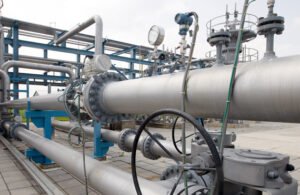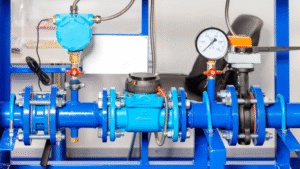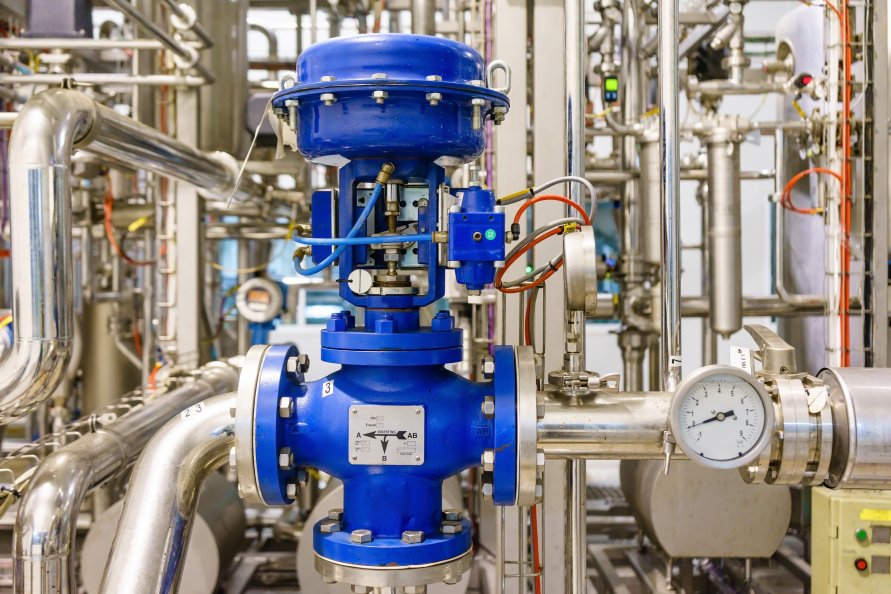

The rapid evolution of industrial automation has brought new opportunities and challenges to sectors that rely on critical flow control, such as energy, water treatment, oil and gas, and manufacturing. Industrial IoT valve monitoring is at the forefront of this transformation, enabling organizations to connect, observe, and optimize valve operations remotely and in real time. By integrating sensors, connectivity, and analytics, these solutions offer unprecedented visibility into the health and performance of valves, helping businesses reduce downtime, improve safety, and extend asset life.
As industries move toward smarter, more connected infrastructure, the ability to monitor and manage valves remotely is no longer a luxury—it’s a necessity for maintaining operational efficiency and regulatory compliance. In this article, we explore how IoT-enabled valve monitoring is reshaping industrial environments, the technologies involved, and the benefits and considerations for organizations looking to implement these systems.
For organizations seeking to enhance their valve management capabilities, exploring valve monitoring instrumentation tools can provide a solid foundation for precision control and data-driven maintenance strategies.
How IoT-Enabled Valve Monitoring Works
Industrial IoT valve monitoring relies on a network of sensors attached to valves throughout a facility or pipeline. These sensors collect data on parameters such as pressure, temperature, flow rate, vibration, and valve position. The collected information is transmitted via secure wireless or wired networks to centralized platforms, where it is analyzed for anomalies, trends, and potential faults.
Modern systems often leverage cloud-based analytics and machine learning to detect early warning signs of wear, leaks, or blockages. This proactive approach allows maintenance teams to address issues before they escalate, minimizing unplanned shutdowns and costly repairs.
Key Components of Connected Valve Monitoring Systems
A robust IoT-based valve monitoring solution typically includes several essential components:
- Sensors and Edge Devices: These devices gather real-time operational data from valves, including position, pressure, and temperature.
- Connectivity Infrastructure: Secure communication protocols (such as MQTT, LoRaWAN, or cellular networks) transmit data from the field to central systems.
- Data Aggregation and Analytics: Centralized platforms aggregate sensor data and apply analytics to identify patterns, predict failures, and generate actionable insights.
- User Interfaces: Dashboards and mobile apps provide operators with real-time visibility, alerts, and historical reports for informed decision-making.
By integrating these components, organizations can achieve continuous monitoring and rapid response to emerging issues, supporting both operational efficiency and safety.
Benefits of Industrial IoT Valve Monitoring in Modern Infrastructure
The adoption of smart valve monitoring delivers a range of tangible benefits for industrial operators:
- Reduced Downtime: Early detection of valve degradation or failure allows for planned maintenance, minimizing unplanned outages.
- Enhanced Safety: Real-time alerts help prevent hazardous situations caused by leaks, overpressure, or improper valve operation.
- Optimized Maintenance: Predictive analytics enable condition-based maintenance, reducing unnecessary inspections and extending valve life.
- Regulatory Compliance: Automated data logging and reporting support compliance with industry standards and environmental regulations.
- Cost Savings: Improved asset utilization and reduced emergency repairs translate to significant operational savings.
These advantages make IoT-driven valve monitoring an attractive investment for facilities aiming to modernize their infrastructure and remain competitive.
Applications Across Industries
The versatility of industrial IoT valve monitoring makes it valuable across a wide range of sectors:
- Oil and Gas: Monitor critical valves in pipelines and refineries to prevent leaks and ensure safe transport of hazardous materials.
- Water and Wastewater: Track valve performance in distribution networks to reduce water loss and maintain service reliability.
- Power Generation: Ensure precise control of steam and cooling water valves to optimize plant efficiency and safety.
- Chemical Processing: Maintain strict control over process flows and prevent contamination or hazardous releases.
- Manufacturing: Support automated production lines with real-time valve status and predictive maintenance.
Each industry benefits from tailored solutions that address its unique operational challenges and regulatory requirements.
Challenges and Considerations in Deploying IoT Valve Monitoring
While the advantages are clear, implementing connected valve monitoring systems presents several challenges:
- Integration with Legacy Equipment: Many facilities operate with a mix of old and new valves, requiring adaptable solutions that can retrofit existing assets.
- Cybersecurity: Protecting sensitive operational data and preventing unauthorized access is critical in connected environments.
- Data Management: The volume of data generated can be substantial, necessitating robust storage, processing, and analysis capabilities.
- Scalability: Systems must be designed to accommodate future expansion as more valves and assets are brought online.
- Cost and ROI: Upfront investment in sensors, connectivity, and analytics platforms must be justified by measurable improvements in efficiency and reliability.
Addressing these factors during planning and deployment ensures a smoother transition to smart valve management and maximizes the return on investment.
Leveraging Analytics for Proactive Maintenance
One of the most powerful aspects of IoT-based valve monitoring is its ability to enable predictive and proactive maintenance strategies. By continuously analyzing sensor data, advanced platforms can identify subtle changes in valve behavior that may indicate impending failure. This approach is further enhanced by integrating valve anomaly prediction models, which use machine learning to forecast issues before they disrupt operations.
For a deeper dive into the technical aspects and best practices of condition monitoring, resources such as this comprehensive expert article on valve condition monitoring provide valuable insights for engineers and plant managers.
Future Trends in Smart Valve Management
The future of industrial IoT valve monitoring will be shaped by several emerging trends:
- Edge Computing: Processing data closer to the source reduces latency and bandwidth requirements, enabling faster decision-making.
- AI-Driven Insights: Artificial intelligence will continue to enhance anomaly detection, root cause analysis, and automated response strategies.
- Interoperability: Open standards and protocols will make it easier to integrate valve monitoring with other industrial systems and platforms.
- Sustainability: Improved leak detection and efficient maintenance contribute to environmental goals by reducing waste and emissions.
As these technologies mature, organizations that invest in connected valve solutions will be well-positioned to lead in operational excellence and sustainability.
FAQ: Industrial IoT Valve Monitoring
What types of valves can be monitored using IoT solutions?
Most types of industrial valves—including gate, ball, butterfly, globe, and control valves—can be equipped with IoT sensors for remote monitoring. The choice of sensors and monitoring approach depends on the valve’s function, environment, and criticality.
How does IoT valve monitoring improve maintenance efficiency?
By providing real-time data and predictive analytics, IoT-based monitoring helps maintenance teams identify issues before they cause failures. This enables condition-based maintenance, reduces unnecessary inspections, and extends the lifespan of valve assets.
Is it possible to retrofit existing valves with IoT monitoring technology?
Yes, many IoT solutions are designed to be retrofitted onto existing valves without major modifications. Wireless sensors and non-intrusive mounting options make it feasible to upgrade legacy infrastructure for smart monitoring.
Conclusion
The integration of industrial IoT valve monitoring into connected infrastructure is transforming how industries manage critical flow control assets. By leveraging real-time data, predictive analytics, and remote connectivity, organizations can achieve higher levels of efficiency, safety, and reliability. As technology continues to advance, the adoption of smart valve monitoring will become an essential component of modern industrial operations.