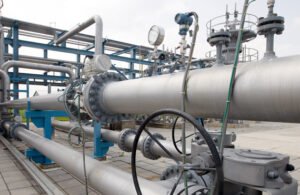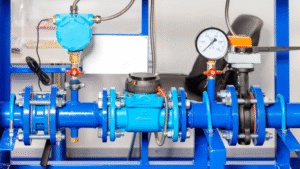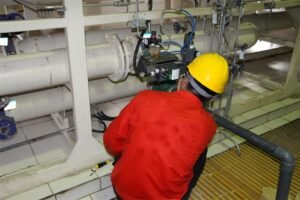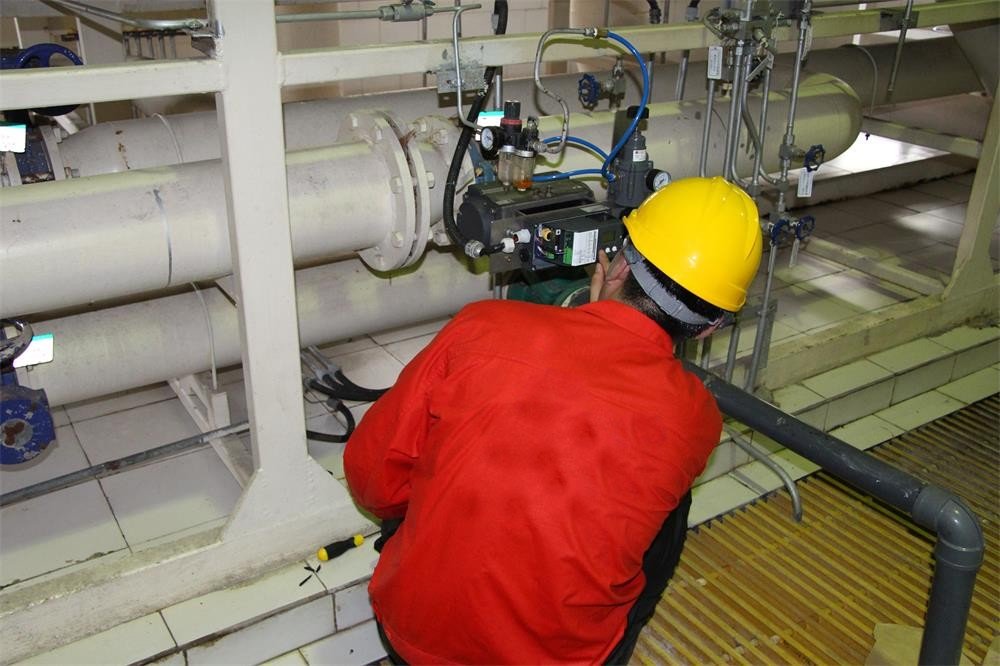

Modern manufacturing and processing facilities rely on a complex network of valves to control the flow of liquids, gases, and other materials. As plants become more automated and data-driven, the need for valve monitoring industrial solutions has grown significantly. These advanced systems help ensure operational efficiency, safety, and regulatory compliance by providing real-time insights into valve performance and health.
Implementing robust monitoring strategies allows plant operators to detect issues early, reduce downtime, and optimize maintenance schedules. With the right technology, facilities can transition from reactive repairs to predictive maintenance, ultimately saving time and resources. For organizations interested in leveraging data-driven maintenance, exploring valve anomaly prediction models can provide a proactive edge in plant operations.
Key Components of Valve Monitoring in Industrial Environments
A comprehensive approach to valve monitoring industrial solutions involves several core components. These elements work together to deliver actionable data and support plant-wide reliability.
- Sensors and Actuators: Devices that measure pressure, temperature, flow rate, and valve position. They provide the raw data needed for analysis.
- Data Acquisition Systems: Hardware and software platforms that collect, aggregate, and transmit sensor data to centralized control rooms or cloud-based systems.
- Analytics and Visualization Tools: Applications that process data, detect anomalies, and present insights through dashboards or alerts.
- Integration with Plant Control Systems: Seamless communication with SCADA, DCS, or PLCs ensures that monitoring data supports operational decisions.
Benefits of Implementing Advanced Valve Monitoring
Adopting modern monitoring technologies brings measurable advantages to industrial plants. Here are some of the most significant benefits:
- Reduced Downtime: Early detection of wear, leaks, or blockages prevents unexpected failures and production stoppages.
- Optimized Maintenance: Maintenance can be scheduled based on actual valve condition rather than fixed intervals, reducing unnecessary interventions.
- Improved Safety: Real-time alerts help operators respond quickly to hazardous situations, minimizing risks to personnel and equipment.
- Regulatory Compliance: Automated data logging and reporting simplify compliance with industry standards and environmental regulations.
- Cost Savings: Efficient maintenance and reduced downtime translate to lower operational costs and extended equipment lifespan.
Types of Valve Monitoring Solutions for Industry
There is a wide range of valve monitoring industrial solutions available, each tailored to specific plant needs and environments. Some of the most common types include:
Wireless Monitoring Systems
Wireless sensors are increasingly popular due to their flexibility and ease of installation. They are ideal for retrofitting older plants or monitoring valves in hard-to-reach locations. Wireless technology reduces cabling costs and allows for scalable deployments.
Cloud-Based Analytics Platforms
Cloud solutions enable centralized data storage and advanced analytics. Operators can access valve performance data from anywhere, making it easier to manage multiple sites. These platforms often include machine learning algorithms to predict failures and recommend maintenance actions.
Integrated SCADA and DCS Add-Ons
Many modern SCADA and DCS platforms offer built-in modules for valve monitoring. These solutions provide seamless integration with existing control systems, streamlining data flow and simplifying operator workflows.
Specialized Industry Applications
Certain industries require tailored monitoring approaches. For example, water utilities benefit from water distribution valve monitoring to ensure network reliability, while agriculture operations may use irrigation valve monitoring solutions for effective water management. The mining sector also relies on valve monitoring in mining industry to maintain safe and efficient operations.
Best Practices for Deploying Valve Monitoring Technologies
To maximize the value of monitoring systems, plants should follow a set of best practices:
- Assess Critical Valves: Prioritize monitoring for valves that are essential to safety, production, or environmental compliance.
- Standardize Data Collection: Use consistent protocols and formats to ensure data can be easily analyzed and compared across assets.
- Integrate with Existing Systems: Choose solutions that work with your current SCADA, DCS, or asset management platforms to avoid data silos.
- Train Staff: Ensure operators and maintenance teams understand how to interpret monitoring data and respond to alerts.
- Review and Update Regularly: As plant needs evolve, revisit your monitoring strategy to incorporate new technologies and address emerging risks.
Emerging Trends in Industrial Valve Monitoring
The field of valve monitoring industrial solutions continues to evolve, driven by advances in digitalization and automation. Some key trends shaping the future include:
- Artificial Intelligence and Machine Learning: Predictive analytics are becoming more sophisticated, enabling earlier detection of anomalies and smarter maintenance planning. For deeper insights, consider exploring valve performance data analytics to inform operational decisions.
- Edge Computing: Processing data at the source (near the valve) reduces latency and bandwidth requirements, allowing for faster response times.
- Cybersecurity Enhancements: As more devices connect to plant networks, robust security measures are essential to protect sensitive operational data.
- Sustainability and Energy Efficiency: Monitoring systems are helping plants reduce energy consumption and minimize environmental impact by identifying inefficiencies and leaks.
For a broader perspective on how technology is transforming valve performance and reliability, see this overview of innovations in industrial valve technology.
Challenges and Considerations for Implementation
While the benefits are clear, deploying monitoring solutions is not without challenges. Common obstacles include:
- Legacy Infrastructure: Older plants may require significant upgrades to support digital monitoring.
- Data Overload: Without proper analytics, the sheer volume of data can overwhelm operators.
- Cost Constraints: Upfront investment in sensors and software can be a barrier, though long-term savings often justify the expense.
- Change Management: Successful adoption requires buy-in from all levels of the organization, from operators to management.
Addressing these challenges involves careful planning, stakeholder engagement, and a clear understanding of plant priorities.
FAQ
What types of valves benefit most from industrial monitoring?
Critical control valves, safety shut-off valves, and those located in hazardous or hard-to-access areas are prime candidates for monitoring. These valves have the greatest impact on plant safety and reliability, making real-time data especially valuable.
How does predictive maintenance work with valve monitoring?
Predictive maintenance uses data from sensors to identify patterns that indicate wear or failure. By analyzing trends in valve performance, maintenance can be scheduled before issues cause downtime, reducing costs and improving reliability.
Can existing plants retrofit valve monitoring solutions?
Yes, many modern monitoring systems are designed for easy integration with legacy infrastructure. Wireless sensors and modular platforms allow plants to add monitoring capabilities without extensive rewiring or system overhauls.
Is data security a concern with cloud-based valve monitoring?
Data security is an important consideration. Reputable providers implement encryption, access controls, and regular security audits to protect sensitive operational data from unauthorized access or cyber threats.
Conclusion
Adopting advanced monitoring strategies is essential for modern industrial plants seeking to improve efficiency, safety, and asset longevity. By leveraging the latest technologies and best practices, organizations can gain real-time visibility into valve health, reduce unplanned downtime, and make more informed maintenance decisions. As digital transformation accelerates, investing in robust monitoring infrastructure will continue to be a key driver of operational excellence.