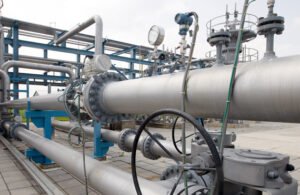
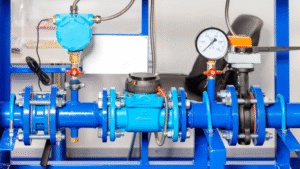
In the realm of industrial engineering, a meticulous approach to efficiency and precision is paramount. Significantly, the concept of valve performance monitoring has emerged as a critical focus area. Within the first two paragraphs, we underscore its significance as an indispensable tool for operational excellence and the prevention of unwanted downtimes.
Valve performance monitoring encompasses the analysis and supervision of valves, vital components in any industrial system. They ensure operations run smoothly by regulating flow, pressure, and various other parameters that are central to a system’s overall performance.
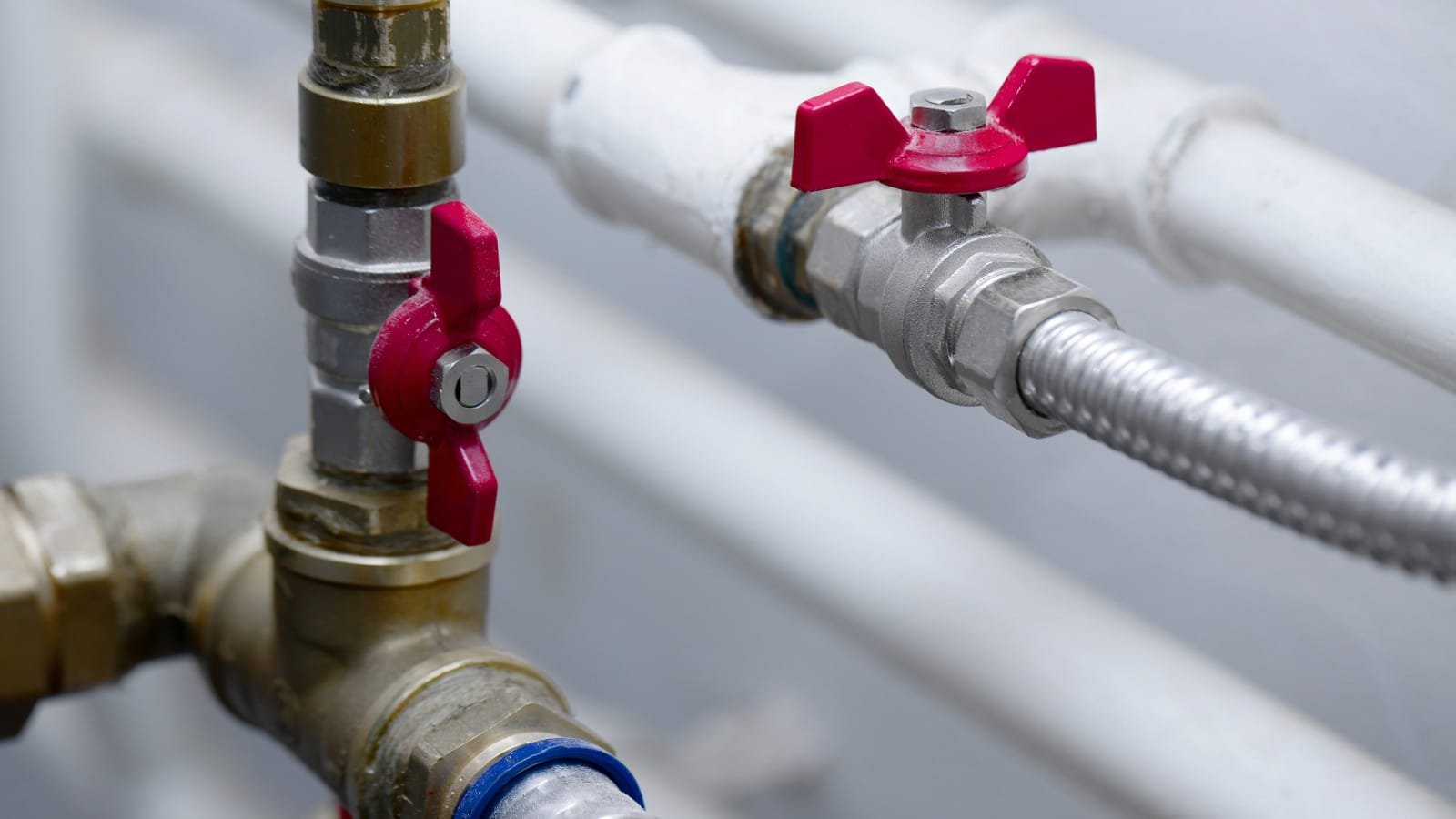
The Importance of Valves in Industrial Systems
Valves are often referred to as the backbone of piping systems in industries, managing the flow and pressure of gases and liquids. Their performance can significantly impact the entire operation. Thus, understanding and implementing proper monitoring is crucial for maintaining these dynamic components.
Understanding Valve Types and Functions
The industrial world uses a wide array of valves, each serving a unique role. From ball and gate valves to more complex smart valves, each type has its own set of performance criteria and monitoring needs.
Why Monitoring is Crucial
Failure to monitor valve performance can result in inefficiencies, costly repairs, or catastrophic system failures. Proactive monitoring allows engineers to predict falter points and schedule timely maintenance, thus reducing the risk of an unexpected shutdown.
Techniques and Tools for Effective Monitoring
Incorporating cutting-edge sensors and digital tools has revolutionized how we conduct valve performance monitoring. These technologies provide real-time data and help in understanding system behaviors under various conditions.
Digital Sensors and Data Analytics
Utilizing digital sensors aids in the precise collection of data. This information is crucial for analyzing patterns and anticipating potential failures before they occur, ensuring maximum operational uptime.
Smart Monitoring Systems
Integrating smart technology with valve performance monitoring systems can lead to significant advancements in operational efficiency. Smart systems offer predictive analytics that can forewarn about performance dips.
Implementing Monitoring in Your Facility
The integration of a robust performance monitoring system starts with identifying key metrics that align with your operational goals. Customizing these metrics ensures that your monitoring is both efficient and effective.
Setting Up the Right System
An appropriate setup of monitoring hardware and software is essential. Ensure that the system is scalable and can adapt to varying operational conditions and future growth.
Utilizing Data for Continuous Improvement
Continuous feedback from the monitoring system can aid in continuous improvement. Leveraging this data helps in refining processes and enhancing valve performance over time.
The Benefits of Advanced Monitoring
Adopting a sophisticated monitoring strategy results in numerous advantages including cost reduction, enhanced safety, and extended equipment lifecycle.
Cost Efficiency and ROI
By ensuring optimal valve operation, companies can significantly cut back on unnecessary expenditures and witness a substantial return on investment (ROI).
Enhanced Safety and Compliance
Some specific regulations govern valve operations. By maintaining a precise monitoring system, industries can ensure compliance while enhancing overall safety protocols.
Future of Valve Performance Monitoring
Looking ahead, technology will continue to play an increasingly vital role. The use of smart, connected devices can further streamline monitoring processes and help companies adapt to shifting industry demands.
Innovations on the Horizon
From IoT integrations to AI-driven predictive analysis, innovations promise to elevate the efficacy of valve performance monitoring, ensuring its place as a cornerstone of industrial operations.
Preparing for Industry 4.0
Industries preparing for Industry 4.0 need to embrace these technological advances to remain competitive and efficient in an ever-evolving landscape.
Conclusion
In conclusion, valve performance monitoring is not just a necessity but a crucial component of any forward-thinking industrial operation. By leveraging modern technology, industries can ensure that they run at optimal efficiency, reduce costs, and enhance safety.

FAQs
What are the primary benefits of valve performance monitoring?
It enhances operational efficiency, safety, and reduces maintenance costs through proactive measures.
How can monitoring improve valve lifespan?
Regular monitoring helps identify issues early, allowing for timely interventions that extend the components operational life.
Are there specific tools required for valve monitoring?
Yes, integrating digital sensors and smart systems are essential for effective and comprehensive monitoring.
This article contains affiliate links. We may earn a commission at no extra cost to you.