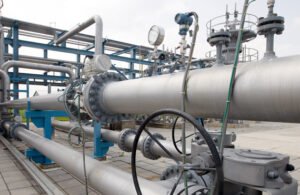
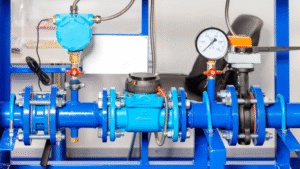
In today’s fast-paced world, efficiently managing resources is crucial. For industries dealing with water systems, the ability to track water valve use can lead to significant cost savings, operational efficiency, and environmental benefits. From smart homes to expansive industrial applications, understanding how to leverage this technology is vital.
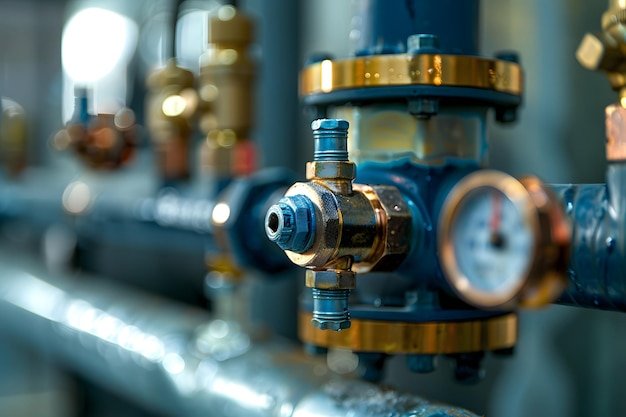
Why Track Water Valve Use?
By effectively tracking the use of water valves, businesses and homeowners can gain detailed insights into their water usage patterns. This can help in reducing wastage, improving maintenance procedures, and ultimately saving money. Advanced systems allow real-time monitoring, providing valuable data that can be used for proactive management of water systems.
Benefits of Tracking Water Valve Usage
1. Enhanced Water Conservation
Water conservation is more important than ever as water scarcity issues continue to rise globally. By tracking water valve operations, users can quickly identify leaks or irregularities, enabling them to take prompt action to prevent unnecessary water consumption. For more on the importance of water management, visit this external resource.
2. Cost Efficiency
Regularly tracking valve usage helps prevent water loss, which can be costly. Tracking allows for better planning of maintenance and repairs, minimizing downtime and reducing the likelihood of costly emergency fixes.
Applications in Different Industries
1. Residential Use
Homeowners can greatly benefit from tracking water usage, especially those employing smart valves that integrate with home automation systems. These technologies offer significant advantages in maintaining optimal water usage and preventing unnecessary water losses.
2. Industrial Applications
Industries use large volumes of water, making the tracking of valve usage especially beneficial. This can lead to improved operational efficiency and resource management. Industries such as manufacturing, agriculture, and processing benefit immensely from these insights.
3. Municipal Water Management
For municipalities, tracking valve use is critical in ensuring the efficient and equitable distribution of water. It helps in maintaining infrastructure health and planning future upgrades.
Technologies That Enable Tracking
1. IoT-Enabled Valves
The Internet of Things (IoT) has revolutionized how we manage water systems. IoT-enabled valves provide real-time data and analytics on water flow, pressure, and usage patterns. Explore more about smart valves in Smart Valves.
2. Automated Monitoring Systems
Automated systems track valve operations and provide alert notifications for any anomalies detected. These systems often feature dashboards and mobile apps for easy access to vital data, ensuring you’re always informed of any issues.
Challenges in Tracking Water Valve Use
While the benefits are clear, there are challenges in implementing tracking systems. These include the initial cost of technology, the need for continual maintenance, and potential cybersecurity risks.
Addressing Implementation Costs
Despite the upfront costs, long-term savings and environmental benefits often outweigh initial expenses. Government incentives and rebates can also ease the adoption of such technologies.
Ensuring Data Security
With the rise of IoT technologies, data security needs significant attention. Secure networks and regular updates can help in minimizing risks associated with cyber threats.
Future Trends in Water Valve Technology
As technology advances, so too will the capabilities of water valve tracking systems. From AI-enabled predictive maintenance to enhanced data analytics, the future promises even more robust and efficient tools for water management. Learn more about innovative technologies in the industry at Top Brands.
Role of Artificial Intelligence
AI integration allows for predictive maintenance and instant analysis of complex data feeds enabling unprecedented efficiency in water management systems.
Conclusion
With these advancements, the ability to track water valve use is becoming an indispensable tool in both residential and industrial settings. As we move towards a more sustainable future, adopting these technologies helps in conserving resources and achieving economic savings.
Frequently Asked Questions
1. How do IoT-enabled valves work?
IoT-enabled valves connect to the internet and provide real-time data and control options through mobile apps and software platforms.
2. Are there privacy concerns with using smart valves?
While smart valves may pose a risk of data breaches, using secure networks and regular software updates can mitigate these concerns.
3. What is the cost range for installing smart valves?
Installation costs for smart valves can vary depending on brand, functionality, and installation complexity. However, long-term cost savings often justify the initial investment.
This article contains affiliate links. We may earn a commission at no extra cost to you.