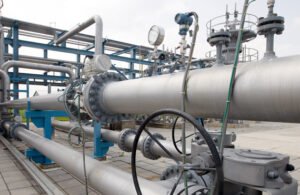
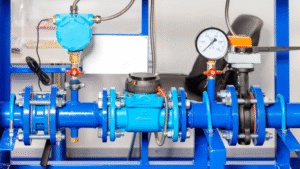
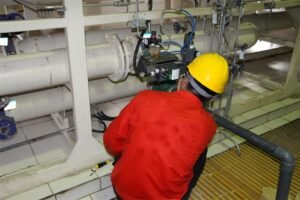
The capability to monitor valve remotely has become a transformative innovation within the realm of industrial engineering. As we step into an era dominated by digitalization and smart technology, industries seek efficient solutions to streamline operations, ensuring both productivity and safety. Remote valve monitoring is at the heart of this transformation, providing real-time data, enhanced control mechanisms, and reducing manual intervention.
In this comprehensive examination, we will delve into how the facility to monitor valve remotely is changing the face of industries globally and why it is an essential aspect of modern industrial practices. Understanding these elements will not only enlighten present-day engineers but also aid businesses in optimizing their operations effectively.
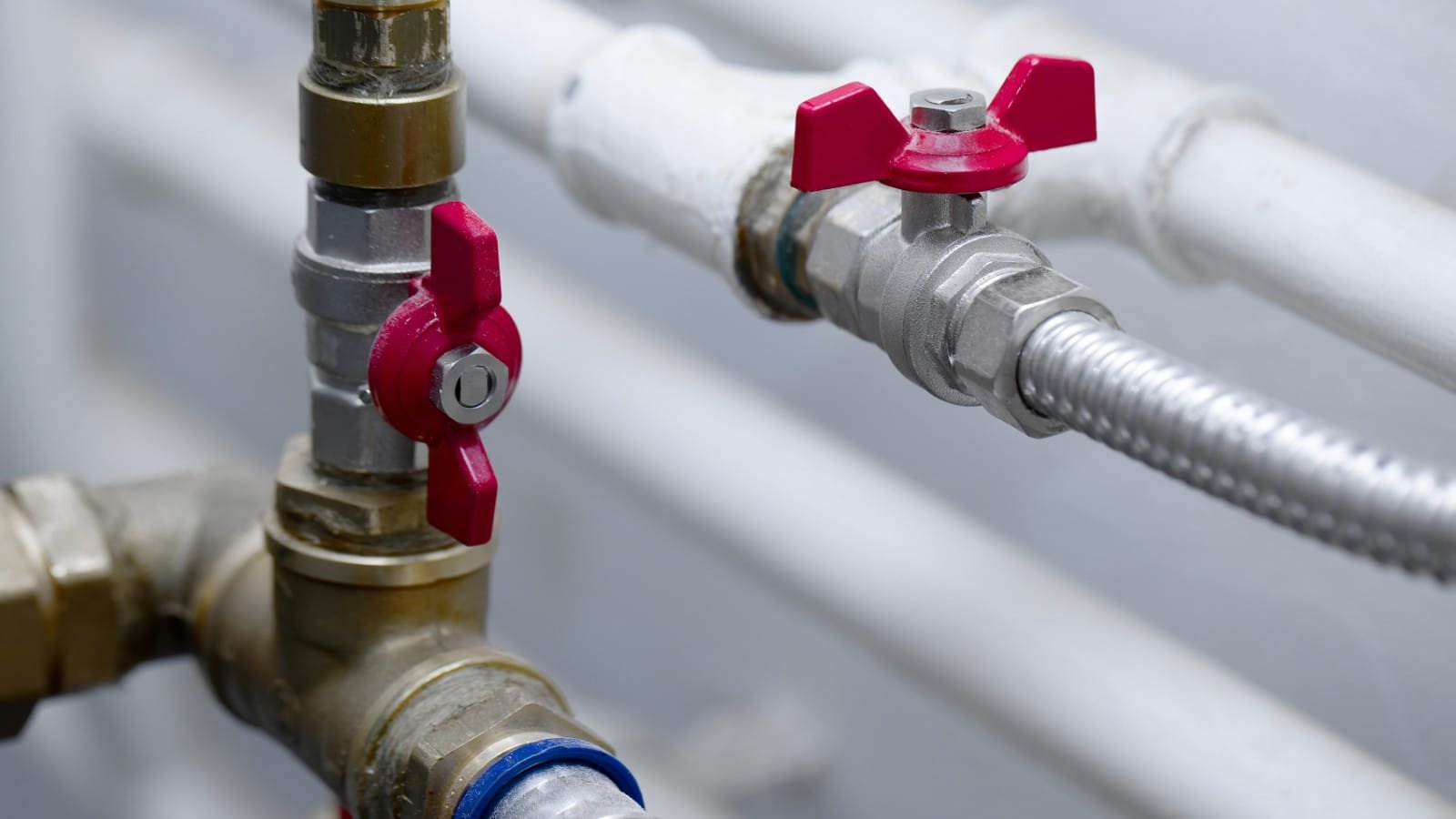
The Growing Importance of Remote Valve Monitoring
Industrial engineers recognize that the growing adoption of digital technology has revolutionized traditional practices. With the ability to monitor valve remotely, industries can maintain high-level oversight over their operations, ensuring that critical valves are functioning optimally, thereby preventing expensive damages or downtime. For more insight on how smart valves are influencing industrial settings, consider exploring how smart valves in industrial settings are revolutionizing processes.
Key Components of Valve Remote Monitoring Systems
Understanding Valve Sensors
Integral to remote monitoring are valve sensors, which continually capture operational data. These sensors provide the real-time analysis needed to monitor functions such as voltage levels, pressure settings, and flow rates.
Communication Technologies
Technologies such as IoT and wireless communication frameworks offer the ability to transmit the data collected by sensors to a centralized system for monitoring. This development enables engineers to act promptly and effectively.
Benefits of Monitoring Valves Remotely
Improved Safety
One of the most significant advantages of this technology is the enhancement of workplace safety. By having detailed performance metrics and alarms sent directly to their devices, engineers can prevent potential failures and address high-risk situations immediately.
Cost Efficiency
Remote monitoring assists industries in minimizing resource expenses. By decreasing the need for onsite personnel and offering predictive maintenance insights, companies witness a notable reduction in operational costs.
Applications in Various Industries
Oil and Gas
The oil and gas sector heavily relies on valves, making remote monitoring indispensable for ensuring safety and efficiency. This technology aids in minimizing environmental risks and maintaining operational continuity.
Water Management
Remote monitoring systems keep tabs on the water flow across extensive networks. This ensures the effective management of water resources, aiding in conservation efforts.
Challenges and Solutions
Addressing Security Concerns
With digital solutions come cybersecurity threats. Robust encryption protocols and secure communication channels are paramount to protect sensitive data.
Integration with Existing Systems
Integrating new technologies with legacy systems can be challenging. However, advancements in system interfaces are making it easier, ensuring smooth transitions.
Future Prospects of Remote Valve Monitoring
The future of industrial operations lies in smart technologies. As systems grow more sophisticated, the scope of remote monitoring will expand, providing even greater insights and operational control.
For a detailed perspective, consider visiting how smart valves influence plumbing.
Conclusion
The ability to monitor valve remotely is reshaping industrial landscapes, introducing efficiency, safety, and technological advancement. Staying abreast of these developments not only enhances operational capabilities but secures a competitive edge in a rapidly evolving market.
Learn more about pipe maintenance and how it complements smart valve technology.
FAQ
What is the main benefit of remote valve monitoring?
The primary benefit is increased efficiency and safety in operations by providing real-time data and analysis, leading to reduced downtime and proactive maintenance efforts.
Can remote monitoring systems integrate with existing industrial setups?
Yes, with the advent of modern interfaces and technology, integrating remote systems with existing industrial operations has become more seamless.
How does remote monitoring improve cost efficiency?
It minimizes on-site personnel requirements and enhances predictive maintenance strategies, thereby reducing resource wastage and maintenance costs.
This article contains affiliate links. We may earn a commission at no extra cost to you.