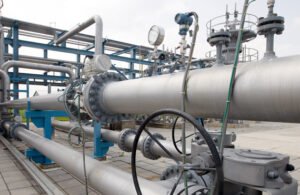
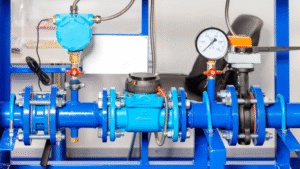
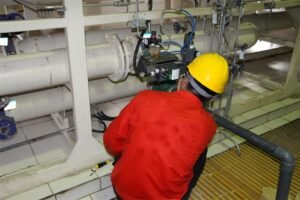
The world of fluid management is undergoing a transformation with the integration of IoT valve tracking technologies. This innovation is redefining how industries monitor and control valve systems. With the advent of the Internet of Things (IoT), the concept of valve tracking is now more precise and manageable than ever before.
IoT valve tracking plays a crucial role in providing real-time data and insights, ensuring that industrial processes are more efficient and reliable. This advanced technology allows engineers to gain a deeper understanding of and control over their systems, leading to improved performance and safety.
The Importance of Smart Valves
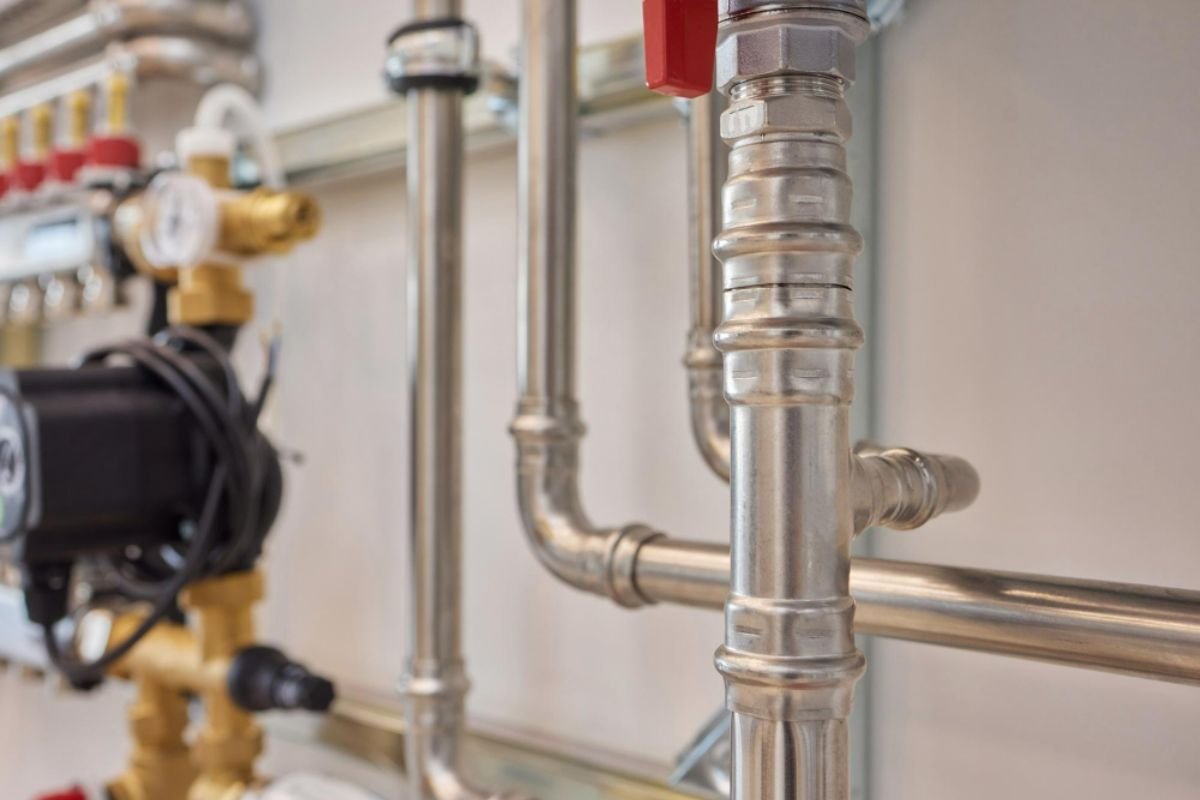
Smart valves are integral to any effective IoT valve tracking system. They enable real-time monitoring, which is essential for maintaining system integrity and optimizing performance. By automating the operation of valves, these systems reduce the need for manual intervention, minimizing the risk of human error.
Benefits of IoT in Valve Systems
The benefits of incorporating IoT into valve systems are numerous. Enhanced data collection and analysis capabilities enable predictive maintenance, which can significantly reduce downtime and maintenance costs. Moreover, this technology supports improved decision-making through the provision of timely and accurate data.
IoT valve tracking systems also contribute to increased safety by enabling early detection of potential issues before they escalate into major problems. This proactive approach helps prevent costly damage and ensures the smooth operation of systems.
Challenges in Implementing IoT Valve Tracking
Despite the numerous advantages, implementing IoT valve tracking systems is not without its challenges. One of the primary concerns is cybersecurity. With more devices connected online, the risk of cyber-attacks increases, making it crucial to implement robust security measures.
Additionally, integrating IoT systems with existing infrastructure can be complex and costly. It requires a significant initial investment and technical expertise to ensure seamless integration and ongoing functionality.
Applications Across Industries
IoT valve tracking has applications across a wide range of industries, including pharmaceuticals, chemicals, oil and gas, and water management. In the pharmaceutical industry, for example, precise valve control is vital for maintaining sterility and ensuring product quality.
In the oil and gas sector, IoT valve tracking ensures safe and efficient transportation of materials by constantly monitoring pressure levels and detecting leaks instantly. This prevents environmental hazards and improves operational efficiency.
The Future of IoT Valve Tracking
The future of IoT valve tracking looks promising as advances in technology continue to expand its capabilities. Artificial intelligence (AI) and machine learning are expected to further enhance the predictive capabilities of these systems, enabling even more accurate forecasting and improved performance.
Moreover, the evolution of 5G technology promises to improve the speed and reliability of data transmission, making IoT valve tracking systems more efficient and responsive.
Environmental Impact
By optimizing valve control and reducing leakages, IoT valve tracking systems contribute to environmental preservation. They help industries minimize waste and decrease the environmental footprint of their operations, supporting sustainable practices.
In many ways, these systems align with global efforts to combat climate change by promoting energy efficiency and reducing emissions.
Case Studies
Numerous case studies highlight the positive impact of IoT valve tracking across sectors. For example, a major water utilities company implemented IoT-based valve tracking systems to significantly reduce water loss due to leakage. This led to cost savings and improved water conservation strategies.
Another instance involves a chemical manufacturing plant that adopted IoT valve tracking to enhance safety by reducing the likelihood of hazardous spills, ensuring compliance with stringent industry regulations.
Conclusion
In conclusion, IoT valve tracking represents a pivotal development in industrial engineering and fluid control. Its ability to collect, analyze, and utilize data in real-time has unlocked new levels of efficiency and safety across various industries.
Learn more about smart valves in industrial settings.
FAQs
What is IoT valve tracking? It is a system that uses IoT technology to monitor and manage valve operations in real-time.
What industries benefit from IoT valve tracking? Industries such as pharmaceuticals, oil and gas, and water management significantly benefit from this technology.
What are the challenges of implementing IoT valve tracking? Challenges include cybersecurity risks and the complexities of integrating these systems into existing infrastructures.
For additional details on troubleshooting common valve issues, visit the [ValveX AI troubleshooting guide](https://valvex.ai/top-smart-valve-brands-2/). For a deeper understanding of maintaining optimal valve conditions, explore this [ValveX AI maintenance resource](https://valvex.ai/regular-pipe-maintenance-in-preventing-home-plumbing-disasters/).
Published at: 2024-01-05
This article contains affiliate links. We may earn a commission at no extra cost to you.