
Pressure Relief Valves (PRVs) play a crucial role in maintaining safety and efficiency in industrial systems. Understanding how to prevent PRV blockages is vital for ensuring smooth operations and avoiding costly downtimes. This article will guide industrial engineers through the best practices and strategies to keep PRVs functioning optimally.
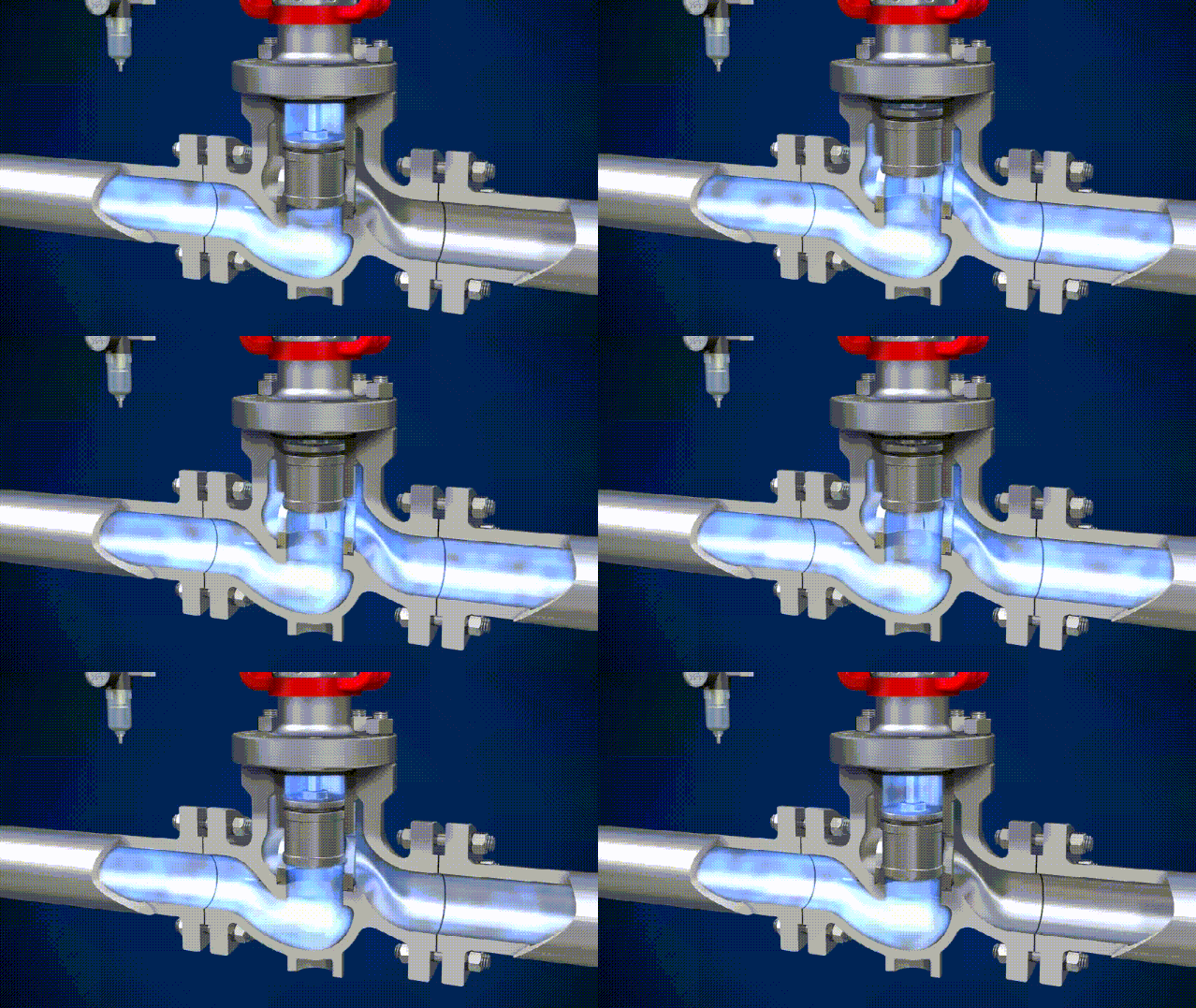
Understanding PRV Blockages
Before diving into prevention strategies, it’s important to understand what causes PRV blockages. Blockages can occur due to debris, corrosion, or improper installation. These blockages can lead to system failures and pose significant safety risks.
Common Causes of Blockages
Debris and contaminants often accumulate in the valve, leading to blockages. Corrosion due to exposure to harsh chemicals or moisture can also cause PRV blockages. Additionally, incorrect installation or alignment may result in operational inefficiencies.
Preventive Maintenance Strategies
Regular maintenance is key to preventing PRV blockages. Implementing a routine inspection schedule will help identify potential issues before they become serious problems.
Routine Inspections
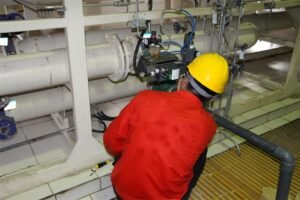
Conducting routine inspections helps in early detection of blockages. Engineers should regularly check for signs of wear, corrosion, or debris accumulation.
Cleaning and Lubrication
Regular cleaning and lubrication of PRVs will ensure smooth operation. Using appropriate cleaning agents and lubricants can significantly reduce the chances of blockages.
Optimizing Installation
Proper installation of PRVs is crucial for preventing blockages. Ensuring that valves are correctly aligned and securely fastened can reduce operational issues.
Correct Alignment and Orientation
Refer to guidelines on proper PRV orientation to ensure correct alignment during installation. Correct orientation helps in preventing unnecessary stress on the valves.
Avoiding Over-tightening
Over-tightening can lead to mechanical stress and potential blockages. Engineers should ensure that valves are tightened according to the manufacturer’s specifications.
Material Selection and Design Considerations
Choosing the right materials for PRVs is essential for longevity and performance. Materials that resist corrosion and wear will help in preventing blockages.
Material Compatibility
Ensure that the materials used in PRVs are compatible with the fluids they will encounter. This reduces the risk of corrosion-related blockages.
Design Innovations
Explore design solutions that enhance accessibility and reduce blockage risks by reading more about designing for PRV accessibility.
Impact of System Backpressure
Understanding the impact of system backpressure on PRV performance can help in preventing blockages. High backpressure can affect valve performance and lead to blockages.
Monitoring Backpressure
Implement monitoring systems to keep track of backpressure levels and make adjustments as necessary.
Adjusting System Pressure
Ensure that the system pressure is within the PRV’s operational range to prevent blockages caused by excessive pressure.
Training and Skill Development
Equipping engineers with the necessary skills and knowledge is vital for effective PRV maintenance and blockage prevention.
Regular Training Programs
Implement regular training programs to update engineers on the latest maintenance practices and innovations in PRV technology.
Knowledge Sharing
Encourage knowledge sharing among team members to foster a culture of continuous improvement and learning.
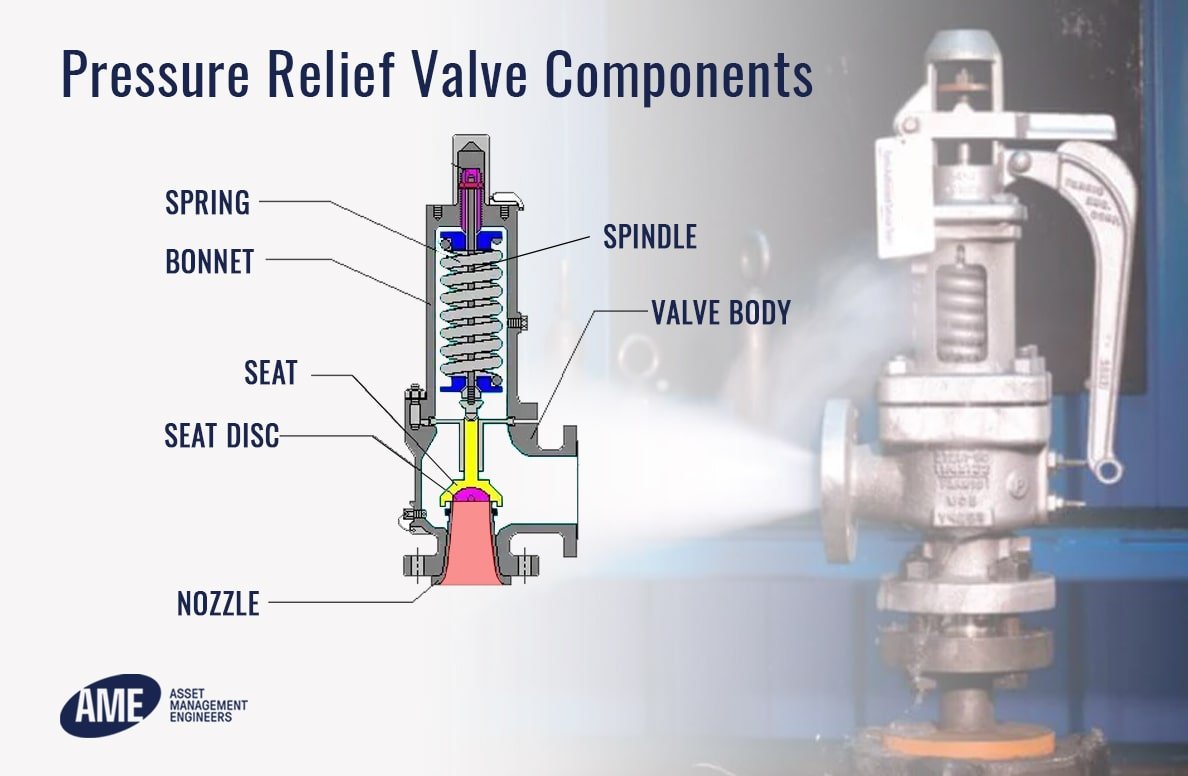
FAQ Section
What are the signs of a blocked PRV?
Common signs include unusual noises, reduced system efficiency, and visible signs of wear or corrosion on the valve.
How often should PRVs be inspected?
PRVs should be inspected at least once a year, but more frequent inspections may be necessary depending on the system’s operational demands.
Can PRV blockages be repaired, or should the valve be replaced?
Minor blockages can often be cleared through cleaning and maintenance. However, severe blockages may require valve replacement for optimal performance.
For more detailed information on PRVs, visit Spirax Sarco’s guide on safety valves.
This article contains affiliate links. We may earn a commission at no extra cost to you.