
Choosing the correct Pressure Relief Valve (PRV) is crucial for ensuring the safety and efficiency of your industrial systems. Whether you are an experienced engineer or new to the field, understanding how to choose the right PRV is essential. This article will guide you through the factors to consider, the types of PRVs available, and how to make an informed decision.
Understanding Pressure Relief Valves
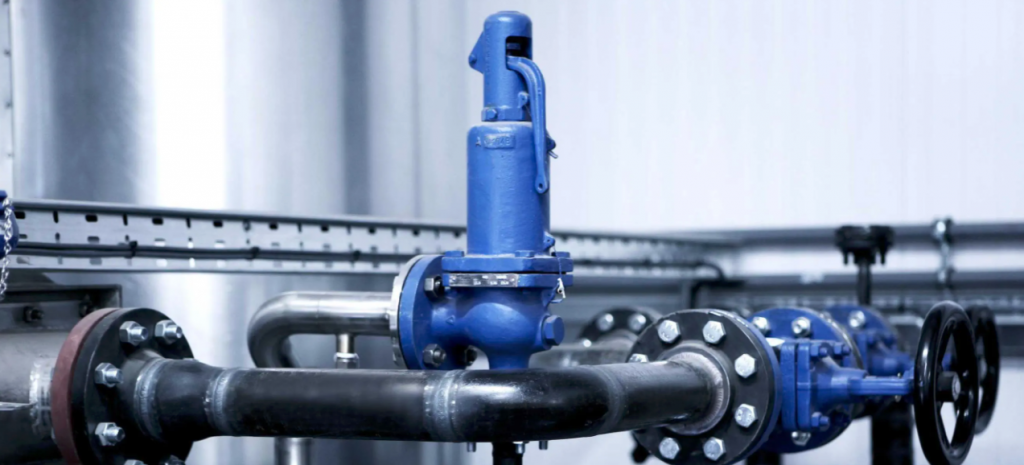
Pressure Relief Valves are safety devices designed to protect equipment and systems from overpressure by releasing excess pressure. They are widely used in various industries, including oil and gas, chemical processing, and manufacturing. A PRV is a crucial component that ensures the system operates within safe pressure limits.
Importance of Selecting the Right PRV
Selecting the right PRV is vital to prevent equipment failure and ensure the safety of personnel. An improperly chosen PRV can lead to significant risks, including system downtime, costly repairs, and even catastrophic failures. Understanding the specific requirements of your application is key to making the right choice.
Factors to Consider When Choosing a PRV
When selecting a PRV, several factors must be considered to ensure it meets the needs of your system. Here are some critical considerations:
1. System Pressure and Temperature
Understanding the operating pressure and temperature of your system is crucial. The PRV must be capable of handling these conditions without compromising safety or performance.
2. Type of Fluid or Gas
The type of fluid or gas in your system will influence the material and design of the PRV. Corrosive or high-temperature fluids may require specialized materials to prevent damage and ensure longevity.
3. Discharge Capacity
The PRV must have an adequate discharge capacity to safely release excess pressure without causing system instability. This capacity is determined by the flow rate and pressure conditions.
4. Installation Environment
Consider the physical space and environmental conditions where the PRV will be installed. Factors such as vibration, moisture, and temperature fluctuations can affect the valve’s performance and longevity.
Types of Pressure Relief Valves
Various types of PRVs are available, each suited to specific applications. Here are some common types:
1. Spring-Loaded PRVs
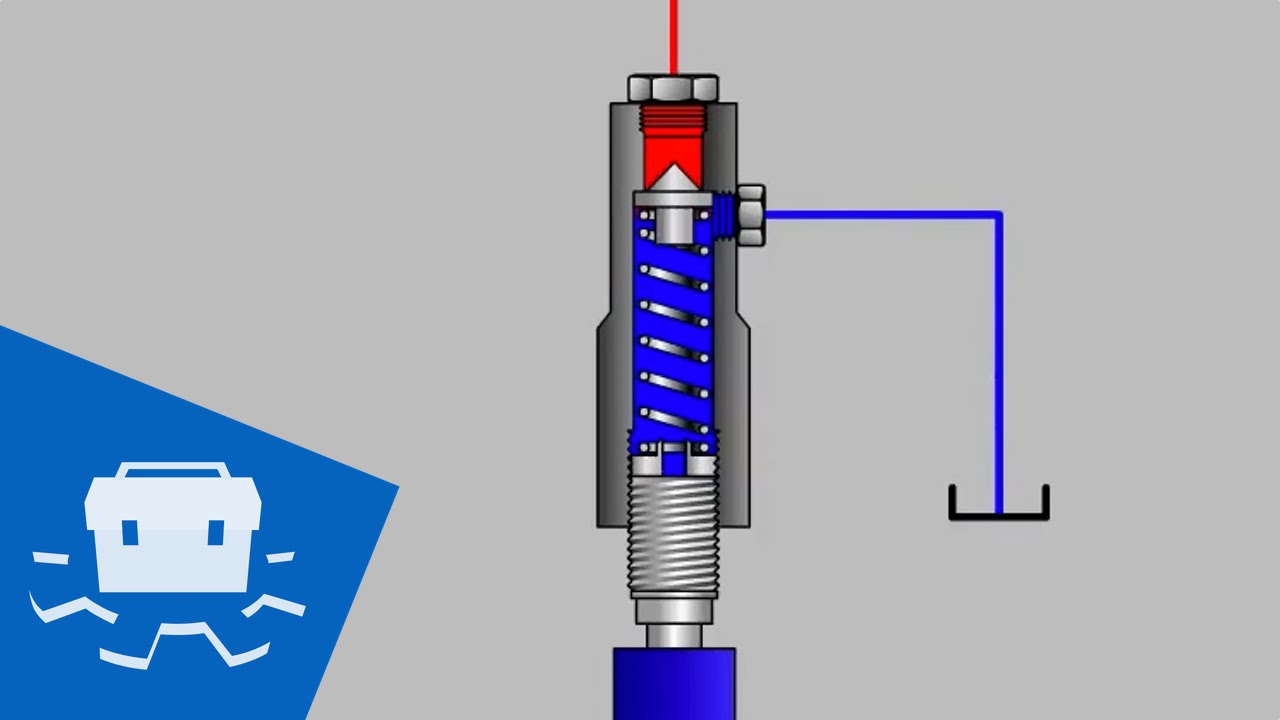
Spring-loaded PRVs are the most common type, using a spring to hold the valve closed until the set pressure is reached. They are versatile and suitable for many applications.
2. Pilot-Operated PRVs
Pilot-operated PRVs use a pilot valve to control the main valve, allowing for precise control and higher set pressures. They are ideal for applications requiring stable pressure regulation.
3. Balanced Bellows PRVs
Balanced bellows PRVs are designed to handle back pressure and are often used in systems with fluctuating conditions. They provide stability and accuracy in pressure regulation.
Steps to Choose the Right PRV
Choosing the right PRV involves a systematic approach to ensure it meets all application requirements. Here are the steps to follow:
1. Assess System Requirements
Begin by evaluating the specific requirements of your system, including pressure, temperature, and flow conditions. This assessment will guide your selection process.
2. Determine PRV Type
Based on your system requirements, determine the type of PRV that best suits your application. Consider factors such as discharge capacity and environmental conditions.
3. Consult with Experts
Consulting with experts or manufacturers can provide valuable insights and recommendations to ensure you choose the right PRV. Their expertise can help you avoid common pitfalls and make informed decisions.
4. Consider Maintenance and Testing
Regular maintenance and testing are crucial to ensure the reliability and performance of your PRV. Consider the ease of maintenance and testing when selecting a valve.
Common Mistakes to Avoid
Avoiding common mistakes can save you time and resources. Here are some pitfalls to watch out for:
1. Ignoring System Requirements
Overlooking specific system requirements can lead to selecting an inappropriate PRV, resulting in performance issues and safety risks.
2. Overlooking Environmental Factors
Failing to consider environmental conditions can affect the PRV’s longevity and performance, leading to premature failure and costly repairs.
3. Neglecting Regular Maintenance
Regular maintenance is essential to ensure the PRV operates effectively. Neglecting maintenance can lead to system failures and increased costs.
Conclusion
Choosing the right Pressure Relief Valve is critical for maintaining the safety and efficiency of your industrial systems. By understanding how to choose the right PRV, considering system requirements, and avoiding common mistakes, you can ensure your system operates safely and efficiently. For more information on safety valve vs relief valve, visit AccuTest Systems. To learn more about bathroom leak signs, visit Valvex AI.

FAQs
1. What is the purpose of a PRV?
A Pressure Relief Valve (PRV) is designed to protect equipment and systems from overpressure by releasing excess pressure, ensuring safety and preventing failures.
2. How often should a PRV be tested?
Regular testing is crucial to ensure the reliability of a PRV. It is recommended to test PRVs annually or as specified by the manufacturer.
3. Can a PRV be used in all types of systems?
PRVs can be used in various systems, but it is important to select the right type and size based on the specific requirements of your application.
This article contains affiliate links. We may earn a commission at no extra cost to you.