In today’s rapidly advancing industrial landscape, maintaining safety and efficiency is paramount. One of the key ways to achieve this is through effective digital pressure relief monitoring. This technology plays a crucial role in safeguarding equipment and ensuring smooth operations across various industries. Understanding how it works and its benefits can significantly impact the way industries operate.
Understanding the Basics of Pressure Relief Systems
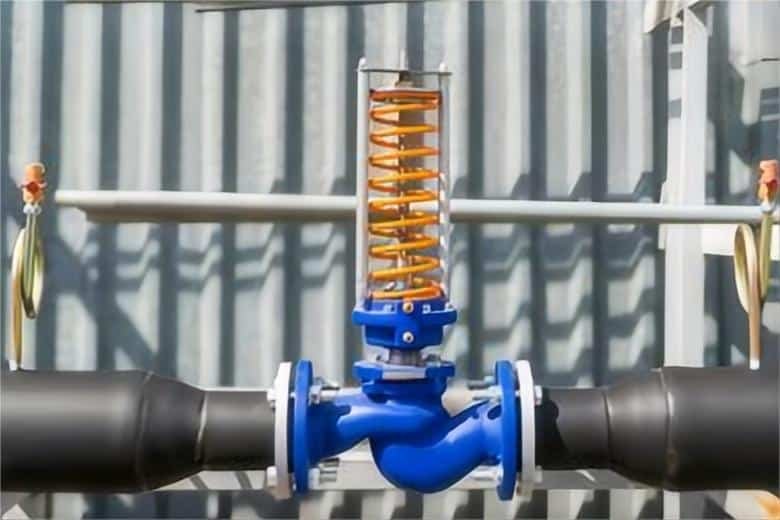
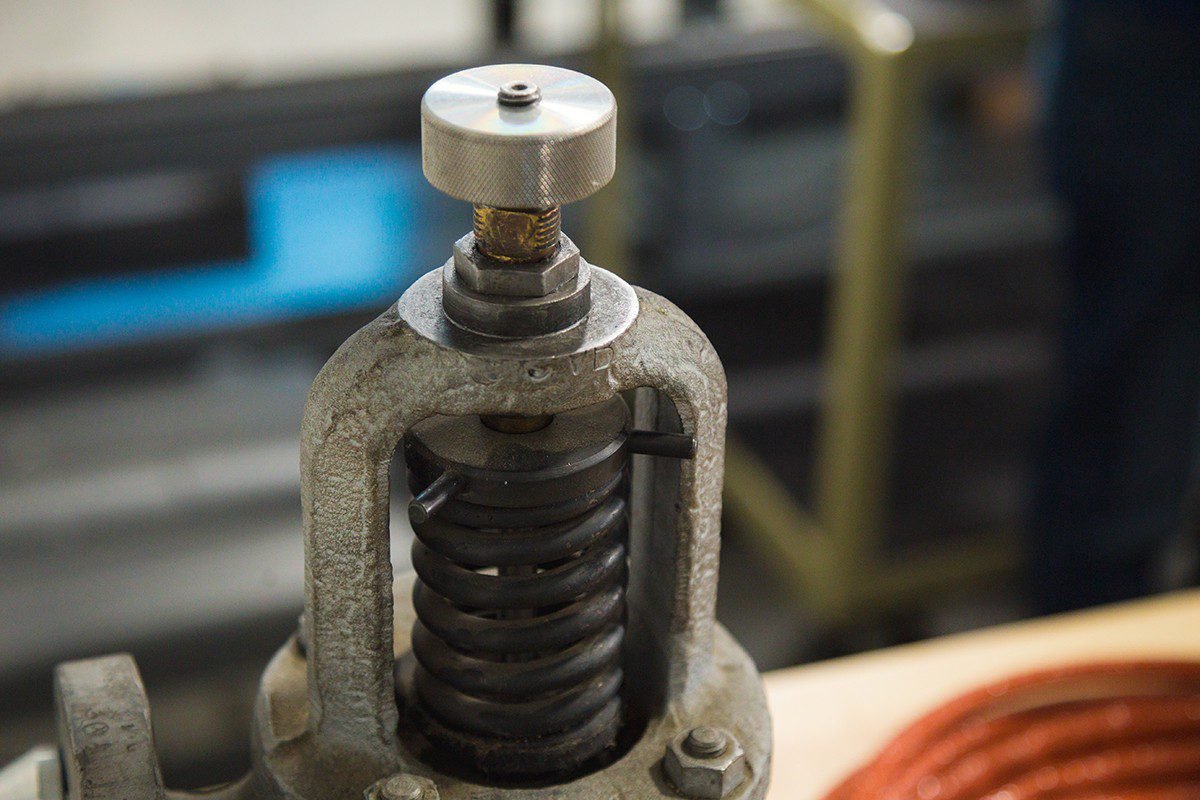
Pressure relief systems are critical components in industrial setups, designed to prevent over-pressurization that could lead to equipment failure or catastrophic events. These systems traditionally rely on mechanical valves to release excess pressure. However, with the advent of digital technology, these systems have seen a significant transformation.
The Transition to Digital Systems
The shift from mechanical to digital pressure relief systems offers numerous advantages. Digital systems provide more precise control and real-time monitoring capabilities, allowing for immediate response to pressure changes. This guide to pressure relief valves further explains how digital solutions can improve system performance.
Benefits of Digital Pressure Relief Monitoring
The integration of digital technology into pressure relief systems offers several key benefits:
Enhanced Safety
Digital pressure relief monitoring systems enhance safety by providing accurate and timely data that can prevent dangerous situations from escalating. They also offer predictive maintenance capabilities, identifying potential issues before they become critical.
Increased Efficiency
With real-time data and analytics, industries can optimize their operations, reducing downtime and improving overall efficiency. This ensures that resources are used effectively and that production targets are met more consistently.
Cost Savings
By minimizing unexpected breakdowns and optimizing maintenance schedules, digital systems help reduce operational costs. They also extend the lifespan of equipment by ensuring it operates within safe pressure limits.
Implementing Digital Pressure Relief Systems
Implementing these systems requires careful planning and consideration. Industries must assess their specific needs and choose systems that offer the best integration with existing infrastructure. For more insights, consider exploring designing for PRV accessibility.
Choosing the Right Technology
Selecting the appropriate technology involves evaluating factors such as system compatibility, ease of use, and the ability to provide accurate data. Consulting with experts and reviewing industry standards can aid in making informed decisions.
Integration Challenges
While the benefits are clear, transitioning to digital systems can present challenges. Industries may face issues related to system compatibility, data management, and staff training. Addressing these challenges is crucial for successful implementation.
Future Trends in Pressure Relief Monitoring
As technology continues to evolve, so too will pressure relief monitoring systems. Future advancements may include enhanced data analytics, improved system integration, and even more robust safety features. Staying informed about these trends will help industries remain competitive.
Embracing Innovation
Industries that embrace innovation and adapt to new technologies are better positioned to succeed. Keeping an eye on emerging trends and investing in research and development can provide a competitive edge.
Environmental Considerations
With increasing focus on sustainability, future systems may also incorporate eco-friendly features that reduce environmental impact. This aligns with global efforts to promote sustainable industrial practices.
Conclusion
Digital pressure relief monitoring is a vital component for modern industries seeking to enhance safety, efficiency, and cost-effectiveness. By understanding its benefits and implementation challenges, industries can make informed decisions that lead to improved operations and a safer working environment.
FAQs
What is digital pressure relief monitoring?
Digital pressure relief monitoring refers to the use of digital technology to monitor and manage pressure relief systems in industrial settings, enhancing safety and efficiency.
How does it enhance safety?
By providing real-time data and predictive maintenance capabilities, digital systems help identify and address potential pressure-related issues before they escalate.
What are the cost benefits?
These systems reduce operational costs by minimizing unexpected breakdowns and optimizing maintenance schedules, leading to better resource utilization and extended equipment lifespan.
This article contains affiliate links. We may earn a commission at no extra cost to you.