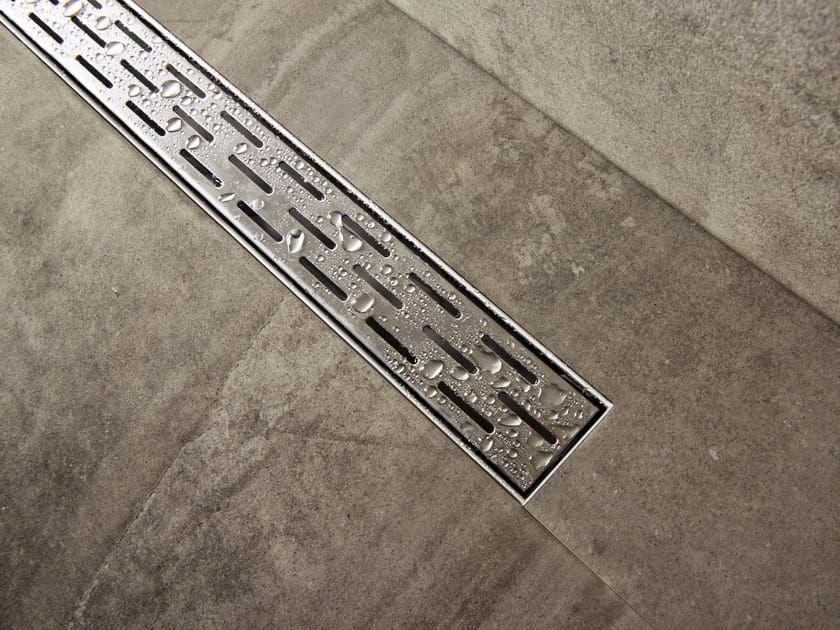

Shower drain mold is a common household issue that many people face, but the potential health risks it poses are often underestimated. Mold thrives in damp, dark environments, making your shower drain the perfect breeding ground. But what exactly are the health implications of mold in your shower drain?
Understanding Shower Drain Mold
Mold is a type of fungus that grows in multicellular filaments called hyphae. It can be found both indoors and outdoors, thriving in moist environments. The shower drain provides the ideal conditions for mold growth due to the constant presence of moisture and organic matter.
Types of Mold in Shower Drains
There are several types of mold that can develop in shower drains. The most common are black mold, pink mold, and mildew. Each type has its own characteristics and potential health risks.
How Mold Grows in Shower Drains
Mold spores are present in the air and can settle in your shower drain. When these spores encounter moisture and organic material, such as soap scum and hair, they begin to grow and multiply.
Health Risks Associated with Mold
The presence of mold in shower drains can lead to various health problems, especially for individuals with preexisting conditions such as asthma or allergies.
Respiratory Issues
Mold spores can become airborne and, when inhaled, can cause respiratory issues. Symptoms may include coughing, sneezing, and difficulty breathing, particularly in individuals with asthma or chronic obstructive pulmonary disease (COPD).
Allergic Reactions
Mold can trigger allergic reactions in sensitive individuals. Symptoms may include sneezing, runny nose, red eyes, and skin rashes. In severe cases, mold exposure can lead to allergic fungal sinusitis.
Infections
While rare, certain types of mold can cause infections, particularly in individuals with weakened immune systems. Aspergillus, a common mold found in shower drains, can lead to lung infections in immunocompromised individuals.
Identifying Mold in Your Shower Drain
Identifying mold in your shower drain can be straightforward. Look for discolored patches, typically black, pink, or green, around the drain area. A musty odor is also a strong indicator of mold presence.
Visual Inspection
Regularly inspect your shower drain for visible signs of mold. Check for discoloration and unusual growths around the drain.
Odor Detection
A musty or earthy smell emanating from your shower is a common sign of mold growth. This odor can be more pronounced after using the shower.
Preventing Mold Growth
Preventing mold in your shower drain involves maintaining a dry and clean environment. Regular cleaning and ventilation are key strategies.
Regular Cleaning
Clean your shower drain regularly to remove soap scum, hair, and other organic materials that can promote mold growth. Consider using a mixture of baking soda and vinegar for a natural cleaning solution.
Improving Ventilation
Ensure your bathroom is well-ventilated to reduce moisture levels. Use an exhaust fan or open windows during and after showers to allow humidity to escape.
Professional Mold Removal
If mold growth in your shower drain is extensive, consider hiring a professional mold removal service. Professionals can safely and effectively remove mold and address any underlying issues contributing to its growth.
When to Call a Professional
If mold covers a large area or if you experience persistent health issues despite cleaning efforts, it may be time to call a professional. They can assess and remediate the situation properly.
What to Expect from Professional Services
Professional mold remediation involves a thorough inspection, removal of mold, and preventive measures to stop future growth. Technicians use specialized equipment and protective gear to ensure safety.
Conclusion
Mold in shower drains can indeed cause health problems, ranging from mild allergic reactions to serious respiratory issues. By understanding the risks and taking preventive measures, you can protect yourself and your family from these potential hazards.
For more information on maintaining a clean and safe bathroom, visit 5 Best Ways to Unclog Your Shower Drain.
FAQs
Can I clean mold from my shower drain myself?
Yes, you can clean mold from your shower drain using natural solutions like baking soda and vinegar, but for extensive mold, professional help may be necessary.
How often should I clean my shower drain?
It’s recommended to clean your shower drain at least once a month to prevent mold and other buildup.
Is all mold harmful to health?
Not all mold is harmful, but certain types can cause health problems, especially in sensitive individuals.
This article contains affiliate links. We may earn a commission at no extra cost to you.