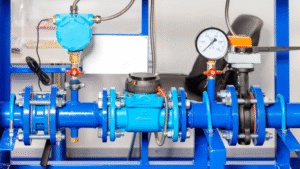
An automatic gas shutoff valve is a crucial component in maintaining safety and preventing disasters in various industrial settings. Industrial engineers, who are keen on ensuring the safety and efficiency of systems, often prioritize the installation of these valves to protect infrastructure and human lives. This article delves into the integral role of these valves and how they are an essential part of industrial operations.
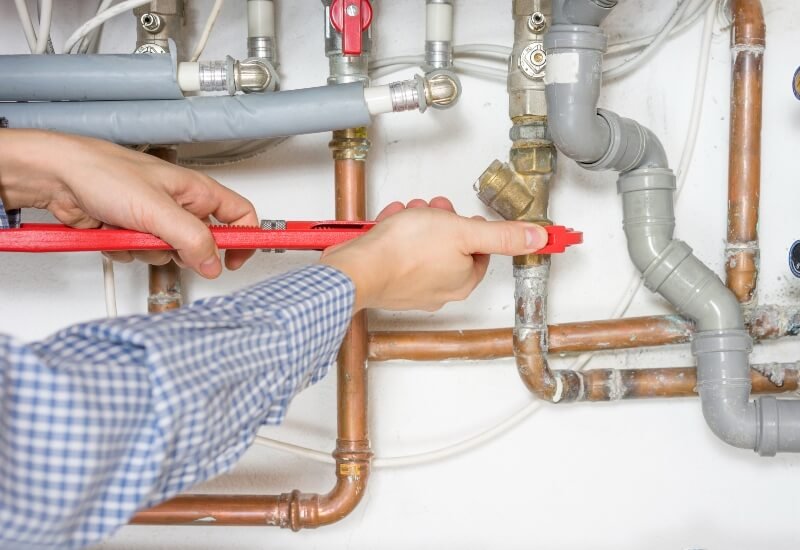
The Basics: What is an Automatic Gas Shutoff Valve?
An automatic gas shutoff valve is a device that automatically stops the flow of gas in the event of a leak or other hazardous situation. This innovative tool is designed to protect properties from the devastating effects of gas leaks. Its importance cannot be understated, particularly in industrial settings where safety is paramount.
How Automatic Gas Shutoff Valves Work
These valves operate by detecting variations in pressure or flow that indicate a potential leak or a surge. Once detected, the valve shuts off the gas supply to prevent further leakage and reduce the risk of fire or explosion. This swift action is why industrial engineers consider them indispensable.
Key Components of Automatic Gas Shutoff Valves
- Sensor Mechanism: Detects changes in gas flow or pressure.
- Control Unit: Processes the sensor’s signals.
- Shutoff Mechanism: Activates to block gas flow.
Advantages for Industrial Use
The integration of automatic gas shutoff valves in industrial systems offers numerous benefits:
Enhanced Safety
These valves provide a robust safety mechanism to avert accidents caused by gas leaks. This not only protects lives but also safeguards expensive equipment and infrastructure.
Regulatory Compliance
Many industrial standards and regulations require the installation of automatic gas shutoff valves. Complying with these regulations helps companies avoid legal penalties and promotes a culture of safety.
Operational Efficiency
By preventing leaks and minimizing downtime, these valves ensure that industrial operations continue smoothly, saving both time and resources.
Common Applications
Automatic gas shutoff valves are used in various sectors such as:
Manufacturing Plants
In environments where gas is a central part of the production process, these valves are vital for maintaining safe operations.
Energy Sector
Ensuring gas delivery systems are safely controlled minimizes risks in power generation and distribution.
Commercial Buildings
In commercial spaces, these valves are integral to HVAC systems, ensuring safety and comfort.
Installing an Automatic Gas Shutoff Valve
Installation should be undertaken by professionals familiar with industry standards. An improper installation could compromise the system’s effectiveness, negating the safety benefits these valves offer.
Steps to Installation
- Evaluate the system requirements and specifications.
- Select the appropriate valve type for the application.
- Engage qualified technicians for the installation process.
Maintenance of Automatic Gas Shutoff Valves
Regular maintenance ensures the functionality and longevity of automatic gas shutoff valves. It involves periodic testing and monitoring to address any wear and tear.
The Future of Automatic Gas Shutoff Valves
With advancements in technology, we can anticipate even smarter and more efficient designs in the future. Innovations continue to enhance the safety features and operational efficiency of these indispensable components.
External and Internal Resources
For further insights, you can explore this external article on smart valves. Meanwhile, Smart Valves in Industrial Plumbing on Valvex.ai offers an internal look at related innovations.
Frequently Asked Questions
What triggers an automatic gas shutoff valve?
The valve is triggered by sudden changes in gas flow or pressure, which indicate leaks or system faults.
Can these valves be used in residential settings?
Yes, while primarily designed for industrial use, modified versions can protect residential properties from gas emergencies.
How often should maintenance be conducted?
Regular maintenance is recommended at least once a year, or according to the manufacturer’s guidelines, to ensure optimal performance.
This article contains affiliate links. We may earn a commission at no extra cost to you.