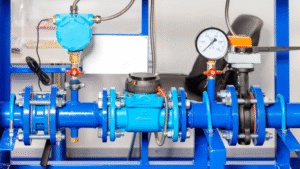
The growth of smart home water systems is reshaping how we manage and consume water in our homes. As we embrace this technological revolution, these systems offer efficient, sustainable solutions that appeal to both homeowners and industrial engineers. These innovative systems not only make life easier but also contribute significantly to water conservation and resource management. By incorporating this technology, households can optimize water usage, monitor quality, and swiftly address leaks, ushering in a new era of smart living.
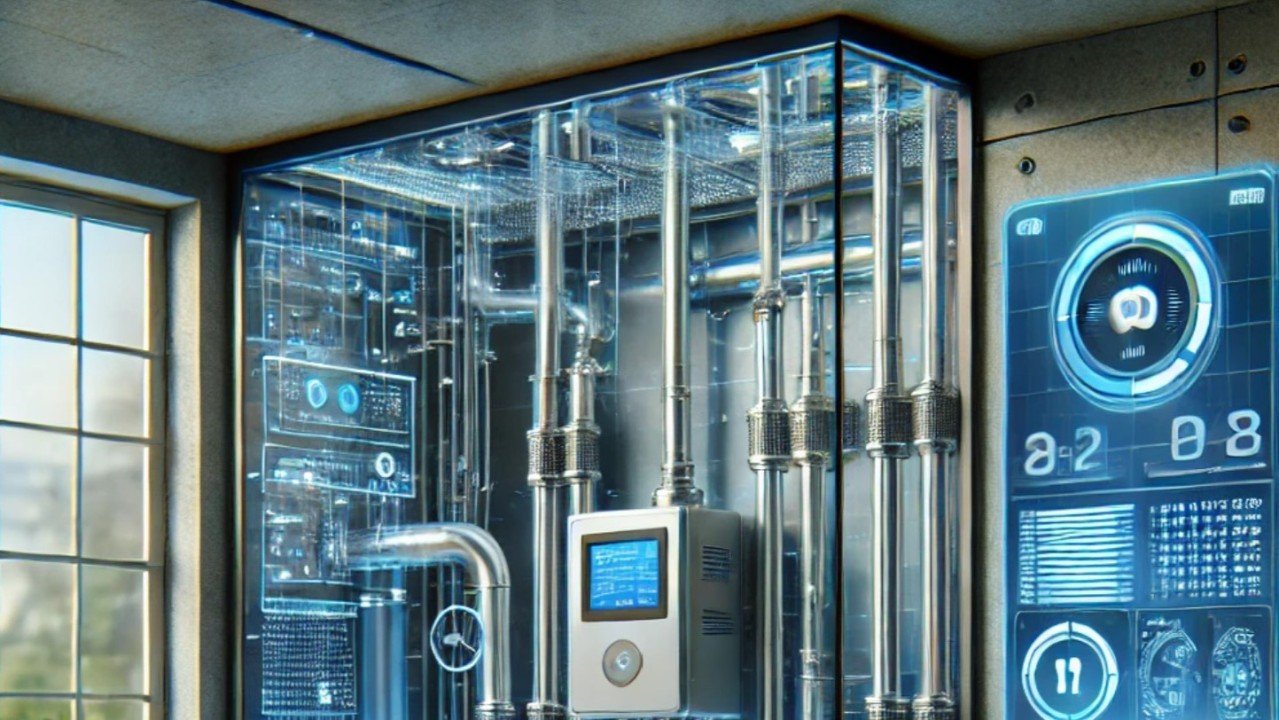
Understanding Smart Home Water Systems
Smart home water systems are designed to monitor, control, and conserve water usage within a household. They leverage cutting-edge technology to provide real-time data, automate processes, and enhance efficiency. The incorporation of these systems into daily life is essential for anyone looking to reduce water consumption and improve the sustainability of their living environment.
The Benefits of Implementing Smart Water Technology
Improved Water Management
Smart systems offer unparalleled precision in managing how water is used in your home. This includes everything from detecting leaks early to tracking usage patterns, allowing homeowners to adjust their habits and systems accordingly. For industrial engineers, the data provided can be crucial for projects aimed at water conservation and efficiency improvement. More information on sensor systems can be found on sensor systems.
Enhanced Monitoring and Alerts
These systems provide alerts for various scenarios from leaks to abnormal water usage. Such immediate notifications are vital in preventing water wastage and potential damage to property. More insights on app control can be gathered by exploring app-controlled valves.
Components of Smart Water Systems
Smart Meters
Smart meters deliver real-time tracking of water usage, helping homeowners stay informed about their consumption habits. Such transparency aids in making informed decisions about water usage, contributing to greater efficiency in the long term.
Leak Detectors
Equipped with advanced sensors, leak detectors are critical in alerting homeowners to the smallest of leaks, which might otherwise go unnoticed. This helps in saving substantial amounts of water and protecting home infrastructure from damage.
Automated Valves
Automated valves control water flow and can be adjusted as per usage patterns, contributing to both comfort and conservation. Learn more about their integration at voice assistant integration.
Setting Up Smart Home Water Systems
Choosing the Right System
When selecting a system, consider factors such as compatibility, scalability, and ease of integration. For industrial engineers specifically, the ability to customize and adjust these systems to different environments is crucial.
Integration with Current Infrastructure
The seamless integration of smart home water systems with existing infrastructure requires careful planning and implementation. It ensures minimal disruption while maximizing the installed technologys benefits.
Professional Installation vs. DIY
While professional installation might offer more security and reliability, DIY setups are increasingly popular for those seeking cost-effective solutions. Each option has its pros and cons, depending heavily on personal or project needs.
Cost Implications and Saving Potential
Although initial costs can be higher than traditional systems, the long-term savings from reduced water bills and avoidance of water damage make smart systems a smart investment. Moreover, government incentives for sustainable practices may further offset these costs.
Environmental Impact
These systems are pivotal in supporting environmental goals. By reducing water waste, lowering the carbon footprint associated with water consumption, and fostering sustainable living, they play a crucial role in protecting our natural resources.
Challenges and Considerations
Challenges such as technological malfunctions, high initial costs, and compatibility issues with older infrastructure can arise. However, continuous advancements in technology and increased awareness of their benefits often outweigh these hurdles. For further insights, refer to this article on AI in plumbing.
The Future of Smart Home Water Systems
With ongoing advancements, the future looks promising for smart water systems. Developments like AI and machine learning are further enhancing their capabilities, offering more personalized, proactive water management solutions.
Conclusion
For industrial engineers and homeowners alike, embracing smart home water systems signifies a step towards a smarter, more sustainable future. These systems not only offer practical benefits but also foster environmental responsibility and efficient water management.

FAQs
1. How do smart water sensors work?
Smart water sensors work by using advanced technology to detect water flow changes, monitor water quality, and alert users to leaks or inefficiencies.
2. Are smart home water systems worth the investment?
Yes, although they may require a higher initial investment, the money saved on water bills and damage prevention over time makes them a sound investment.
3. Can smart water systems fit into older homes?
These systems can be adapted to most older homes, though some modifications may be required to align with existing plumbing infrastructure.
This article contains affiliate links. We may earn a commission at no extra cost to you.