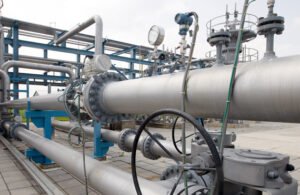
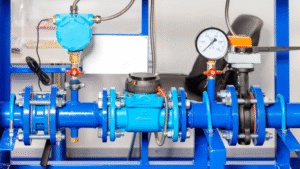
In the modern world, where technology is becoming an integral part of our lives, the ability to detect pipe leak remotely is no longer a futuristic dream. It’s a present-day reality beneficial for both homeowners and industrial engineers. This advancement not only ensures efficiency but also plays a significant role in minimizing potential damage and maintaining the integrity of plumbing systems. In this article, we will explore the various methods and technologies available for remote leak detection and how they can transform traditional plumbing maintenance and safety procedures.
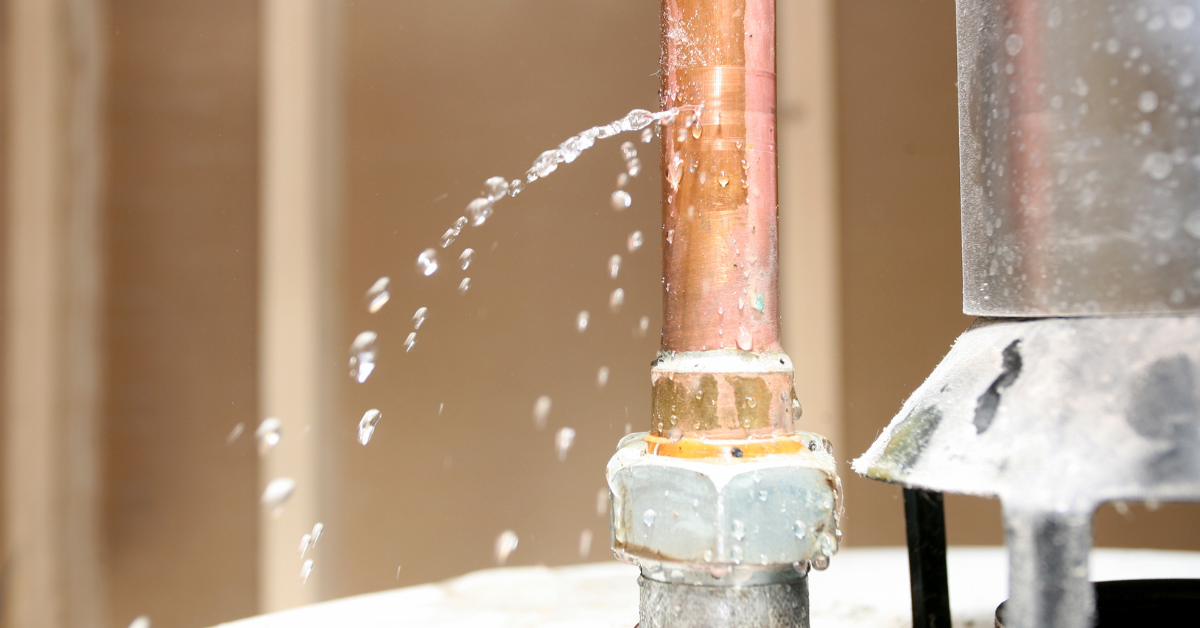
Understanding Remote Leak Detection
Remote leak detection involves using advanced technology to identify leaks in plumbing systems without physically being present at the location. This is a significant advancement over traditional methods, offering numerous advantages.
Why Choose Remote Detection?
The need for efficient and accurate detection of leaks is paramount. Remote detection ensures timely identification, reducing potential water wastage and structural damage. Moreover, remote systems can send alerts to maintenance teams or homeowners, allowing immediate action.
How Does It Work?
Technologies like smart sensors, IoT devices, and advanced data analytics are integrated into plumbing systems. These systems continuously monitor pipes’ conditions and alert users to anomalies, such as leaks.
Technologies Enabling Remote Detection
In recent years, various technologies have emerged that make it possible to detect pipe leak remotely. Understanding these technologies is crucial for implementing effective leak detection strategies.
Smart Valves
Smart valves play a pivotal role in automating plumbing systems. They can automatically shut off water in case of a detected leak, preventing further damage. These valves are equipped with sensors that communicate with a central control system.
IoT Sensors
Internet of Things (IoT) sensors are widely used in modern leak detection systems. These small, wireless devices can be placed throughout a plumbing system, continuously sending data about pipe conditions. Their ability to connect with smart home systems makes them indispensable.
Data Analytics and Cloud Computing
By utilizing data analytics and cloud computing, anomalies in water flow and pressure can be detected. This helps identify leaks early on. Data is stored and processed in the cloud, offering users and maintenance teams access from anywhere.
Benefits of Remote Leak Detection
The benefits of integrating remote leak detection systems are manifold, offering more than just convenience.
Cost Efficiency
Proactively detecting leaks saves homeowners and businesses money in the long run by reducing water bills and avoiding costly repairs due to water damage.
Environmental Impact
Early leak detection helps conserve water, making it an environmentally responsible choice. This aspect is increasingly important as populations grow and water scarcity becomes a bigger issue.
Implementing Leak Detection Systems
For successful implementation, understanding the procedures and selecting the right technology is key.
Choosing the Right System
Selecting a system that fits the specific needs of a building or facility is crucial. Factors like system size, type of plumbing, and budget should be considered.
Installation and Maintenance
Installing these systems generally requires professional assistance. Once installed, regular maintenance should be conducted to ensure efficient operation.
Challenges and Solutions
Implementing a remote leak detection system is not without challenges. However, understanding these can aid in effective adoption.
Technical Challenges
Issues such as sensor accuracy and wireless connectivity can pose problems. Investing in reliable technology solutions and providers can mitigate these issues.
Data Security
As these systems often involve cloud data storage, security is a concern. Employing robust cybersecurity measures is essential to protect sensitive data.
Case Studies: Success Stories
Numerous industries have reported significant improvements upon implementing remote leak detection systems.
Residential Applications
Homeowners have seen a dramatic reduction in water bills and property damage after installing these systems, leading to higher overall satisfaction.
Industrial Use Cases
Industrial facilities have benefited from increased safety and operational efficiency, reducing downtime and maintenance costs.
Future Trends in Leak Detection
As technology advances, the future of leak detection looks promising.
Integration with Smart Homes
As smart home technology becomes more prevalent, integrating leak detection systems with smart home platforms is expected to become the norm.
AI and Machine Learning
Machine learning algorithms are being developed to predict potential leaks before they occur, based on historical data and usage patterns.
Conclusion
The ability to detect pipe leak remotely is a revolutionary step towards efficient plumbing management. By adopting these technologies, both homeowners and businesses can not only save costs but also contribute to environmental conservation.
FAQs
How do smart valves help in leak detection?
Smart valves can be programmed to automatically shut off when a leak is detected, preventing further water damage and offering peace of mind.
What industries benefit most from remote leak detection?
While beneficial for residential settings, industries such as manufacturing, chemical plants, and water utilities experience the greatest impact due to their extensive plumbing networks.
Can remote detection replace regular inspections?
Remote detection systems are designed to supplement, not replace, regular inspections. They provide added insurance against unexpected leaks.
This article contains affiliate links. We may earn a commission at no extra cost to you.