
Industrial facilities, utilities, and water management networks depend on reliable valves to control the flow of liquids and gases. When valves develop leaks, the consequences can range from minor inefficiencies to catastrophic equipment damage, environmental hazards, and significant financial losses. Valve leakage detection systems are essential tools for identifying leaks early, enabling proactive maintenance and safeguarding critical assets.
In this article, we explore how modern detection technologies work, the benefits they deliver, and how organizations can integrate these solutions into their operations. We’ll also discuss how these systems fit within broader asset management strategies, referencing related approaches such as valve anomaly prediction models that help predict and prevent failures before they escalate.
Understanding Valve Leakage and Its Impact
A leaking valve can be a silent threat. In many cases, leaks go unnoticed until they cause pressure drops, product loss, or even safety incidents. The costs associated with undetected leakage include:
- Increased energy consumption due to inefficiencies
- Loss of valuable product or treated water
- Accelerated wear on pumps and downstream equipment
- Potential for environmental contamination
- Unplanned downtime and emergency repairs
Detecting leaks early is far more cost-effective than responding to failures after the fact. This is why leakage monitoring solutions have become a cornerstone of modern industrial maintenance strategies.
How Valve Leakage Detection Systems Work
Valve leakage detection systems use a combination of sensors, data analytics, and sometimes machine learning to monitor valve integrity. These systems can be tailored to different types of valves and applications, from water distribution to chemical processing and energy generation.
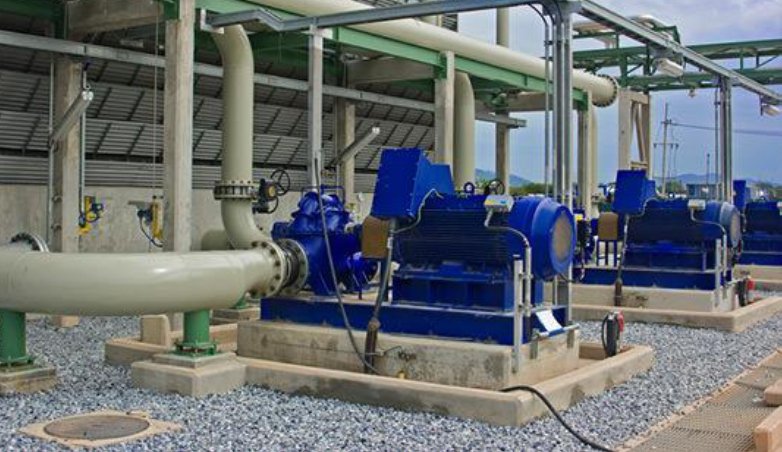
Key components typically include:
- Pressure and flow sensors that detect deviations from normal operation
- Acoustic or ultrasonic sensors that listen for the telltale sounds of leaks
- Temperature sensors to identify abnormal heat patterns caused by escaping fluids
- Data acquisition units that collect and transmit sensor data for analysis
- Analytics platforms that process data and trigger alerts when leakage is suspected
Some advanced solutions integrate with valve performance data analytics platforms, enabling operators to correlate leakage events with other performance metrics and optimize maintenance schedules.
Benefits of Early Leak Detection
Implementing a robust valve leakage detection solution offers several tangible benefits:
- Reduced downtime: Early identification of leaks allows for planned maintenance, minimizing costly interruptions.
- Lower repair costs: Addressing small leaks before they escalate prevents extensive damage and expensive repairs.
- Improved safety: Detecting hazardous leaks quickly helps protect personnel and the environment.
- Regulatory compliance: Many industries are required to monitor and report leaks to meet environmental standards.
- Enhanced operational efficiency: Maintaining optimal valve performance reduces energy waste and product loss.
For water utilities, integrating these systems with water distribution valve monitoring platforms can further improve network reliability and reduce non-revenue water losses.
Types of Valve Leakage Detection Technologies
There are several approaches to monitoring valves for leaks, each suited to different environments and budgets:
- Acoustic Monitoring: Sensors detect the sound frequencies produced by escaping fluids. This method is highly sensitive and can identify even small leaks, but may require advanced filtering in noisy environments.
- Ultrasonic Detection: Ultrasonic waves are used to pinpoint leaks, especially in pressurized systems. This technology is non-invasive and effective for both gas and liquid applications.
- Pressure Differential Analysis: By comparing upstream and downstream pressures, the system can infer the presence of a leak. This method is commonly used in pipelines and water networks.
- Thermal Imaging: Infrared cameras or temperature sensors identify heat anomalies caused by leaking fluids, especially useful for steam or hot water systems.
- Smart Valve Positioners: These devices monitor valve movement and sealing performance, providing early warning of potential leakage before it becomes severe.
The choice of technology depends on factors such as fluid type, system pressure, accessibility, and the criticality of the process.
Integration with Digital Maintenance Strategies
Modern facilities increasingly rely on digital tools to manage assets and schedule maintenance. Valve leakage detection systems can be integrated with SCADA (Supervisory Control and Data Acquisition) platforms, CMMS (Computerized Maintenance Management Systems), and even AI-driven solutions like irrigation valve monitoring solutions for agricultural applications.
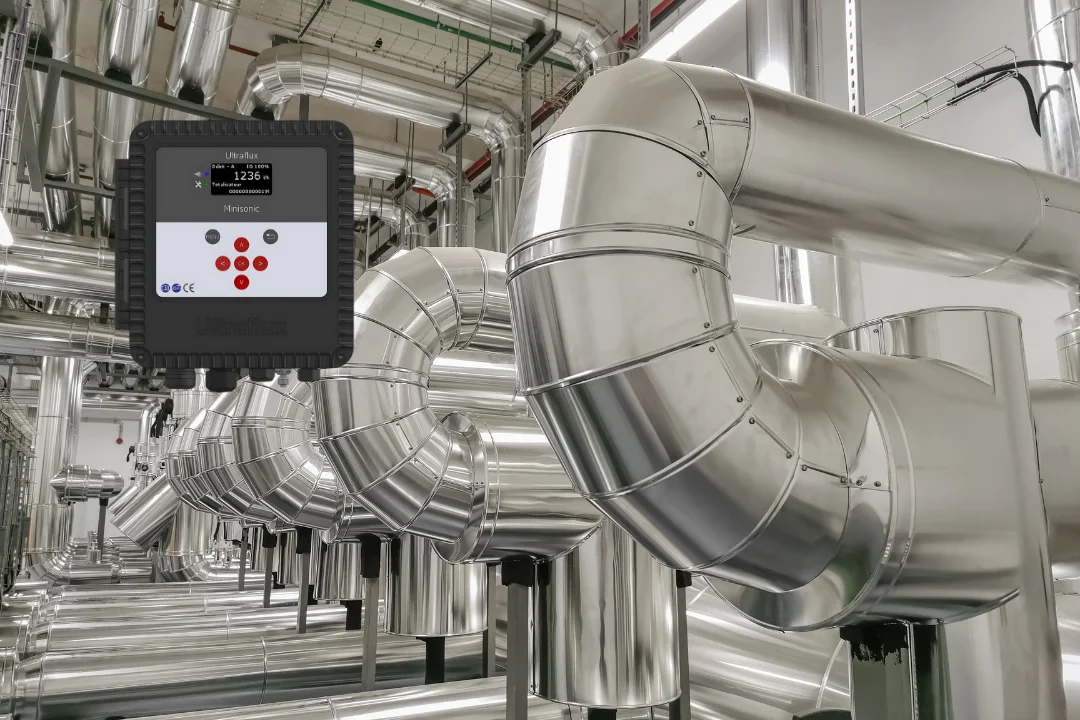
By combining real-time leak detection with predictive analytics, organizations can move from reactive to proactive maintenance. This approach not only prevents failures but also extends the lifespan of valves and associated infrastructure.
For industries such as mining, integrating detection with valve monitoring in mining industry solutions ensures compliance and operational continuity in harsh environments.
Best Practices for Implementing Leakage Monitoring Solutions
To maximize the value of a valve leakage detection system, consider the following best practices:
- Assess critical control points: Identify which valves are most vital to safety and operations, and prioritize them for monitoring.
- Choose appropriate sensor technology: Match detection methods to the specific application, considering factors like fluid type and system complexity.
- Integrate with existing digital infrastructure: Ensure the system can communicate with your plant’s SCADA or maintenance software for seamless data flow.
- Train personnel: Operators and maintenance teams should understand how to interpret alerts and respond appropriately.
- Regularly review performance: Analyze detection data to refine thresholds and improve system accuracy over time.
For a deeper dive into how smart monitoring can boost reliability and efficiency, see this comprehensive overview of smart valve monitoring solutions.
Challenges and Considerations
While the advantages of automated leakage monitoring are clear, there are some challenges to consider:
- Initial investment: High-quality sensors and integration can require significant upfront costs, though these are often offset by long-term savings.
- Data management: Continuous monitoring generates large volumes of data. Effective analytics and alert management are essential to avoid information overload.
- Environmental factors: Harsh or noisy environments may require specialized sensors or signal processing techniques.
- Maintenance of the detection system itself: Sensors and data acquisition units must be regularly calibrated and maintained to ensure ongoing accuracy.
Despite these challenges, the trend toward digitalization and predictive maintenance is accelerating adoption across industries.
Frequently Asked Questions
What types of valves benefit most from leakage monitoring?
Critical control valves, isolation valves in hazardous processes, and valves in high-pressure or high-temperature systems benefit the most. However, any valve where leaks could cause safety, environmental, or financial risks is a candidate for monitoring.
How often should valve leakage detection systems be calibrated?
Calibration frequency depends on the sensor type and operating environment. Most manufacturers recommend annual calibration, but more frequent checks may be needed in harsh or high-usage settings.
Can leakage detection be retrofitted to existing infrastructure?
Yes, many modern systems are designed for retrofit. Wireless sensors and non-invasive technologies make it possible to add leak detection to existing valves without major modifications.
Conclusion
Valve leakage detection systems are a critical investment for organizations seeking to minimize risk, reduce costs, and ensure operational continuity. By leveraging advanced sensors and analytics, facilities can detect leaks early, plan maintenance proactively, and avoid the high costs associated with unplanned failures. As digital transformation continues to reshape industrial maintenance, integrating leakage monitoring with broader asset management strategies will be key to achieving optimal performance and reliability.