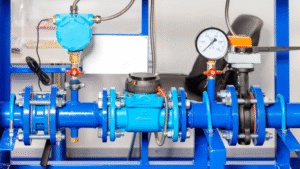
Finding the best smart valve is essential for maximizing efficiency and safety in both home and industrial settings. These advanced devices help monitor and control water flow precisely, reducing waste and preventing damage. Let’s understand what makes a smart valve the right choice and how they are revolutionizing the industry.
At the core, selecting the best smart valve means looking at technology, ease of use, and specific needs, whether for an individual household or large-scale industrial operations. It’s important to consider factors like durability, connectivity, and compatibility.
What is a Smart Valve?
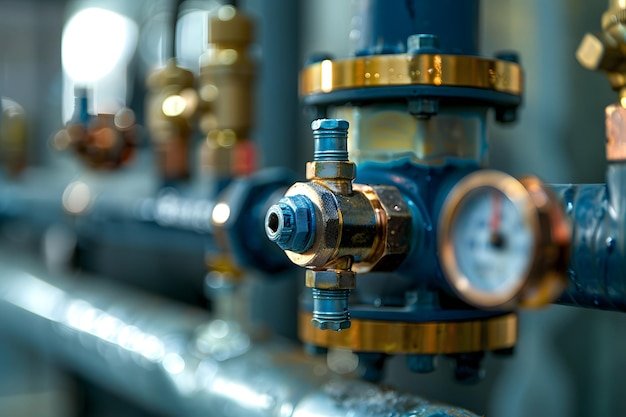
A smart valve is an electronic device that controls the flow of liquids and gases within a system. With the integration of IoT technology, these valves offer real-time data monitoring and remote operation, making them distinct from traditional manual valves.
Benefits of Using Smart Valves
Using the best smart valve comes with several benefits:
- Efficiency: Smart valves optimize energy use and minimize waste.
- Safety: They detect leaks and blockages quickly to prevent major accidents.
- Convenience: Remote operation capabilities ensure ease of use from anywhere.
Environmental Impact
Smart valves contribute significantly to reducing water and energy waste, aligning with various sustainable goals and regulations. By controlling waste, they play a crucial role in eco-friendly operations.
Types of Smart Valves
There are various types of smart valves available in the market, each catering to different requirements:
1. Motorized Ball Valves
These valves are popular due to their reliability and efficiency in managing flow control in both domestic and industrial settings. They are easy to automate and offer precise control.
2. Smart Solenoid Valves
Typically used in high-pressure systems, these valves are excellent for tasks requiring quick response times, such as emergency shut-off systems.
3. Pressure-Independent Valves
These advanced valves adjust themselves according to the system requirements, delivering precise flow control without human intervention.
Factors to Consider When Choosing a Smart Valve
When selecting a smart valve, consider the following factors:
- Application: Understand the specific needs of your system to choose the appropriate valve type.
- Connectivity: Ensure the valve can integrate with your existing network and control systems.
- Durability: Look for materials and build quality that can withstand the environmental conditions of the installation area.
For an in-depth comparison of various models and their specific applications in both home and industrial settings, you can visit Smart Home Perfected, which offers a comprehensive guide.
Integration with Smart Home Systems
The best smart valve also offers seamless integration with modern smart home systems, including compatibility with Google Home and Amazon Alexa, providing users the ultimate convenience in managing their plumbing systems effortlessly.
Potential Challenges
While the benefits of smart valves are substantial, some challenges include initial setup complexity and the need for periodic maintenance. However, choosing reputable brands can often mitigate these issues.
For maintenance tips and strategies to prevent home plumbing disasters, check out Regular Pipe Maintenance.
Cost and Investment
Investing in a smart valve system often requires higher initial expenditure compared to traditional systems. However, the long-term savings on utility bills and reduced risk of damage due to leaks more than justify these initial costs.
Industry Applications of Smart Valves
Smart valves are not limited to residential uses; they are extensively employed in industrial settings, helping manage complex systems efficiently.
Optimizing Industrial Systems
Industries benefit from the precise control and data analytics provided by smart valves, which are vital for process optimization and predictive maintenance strategies.
Learn how Smart Valves Revolutionizing Plumbing.
Future of Smart Valve Technologies
The future holds great promise for smart valve technologies as enhancements in AI and IoT continue to evolve. We can anticipate more intelligent, self-regulating systems that further reduce human intervention and errors.
Innovation in this space is ongoing, and many companies are working on the next generation of smart valves that promise even greater efficiencies and connectivity options.
Understanding how these systems work to prevent pipe leaks is crucial. More details can be found in the article Pipe Leak Troubles.
Conclusion
The evolution and integration of best smart valve technologies in plumbing systems stand as a testament to the next phase of intelligent home and industrial management solutions. They represent not just technology improvement but a shift toward smarter, more efficient living and working environments.
FAQs
What is the main advantage of a smart valve?
The primary advantage of a smart valve is its ability to remotely control and monitor flow systems, leading to enhanced efficiency and safety.
Can smart valves be integrated into existing systems?
Yes, most smart valves are designed to easily integrate with existing systems, providing added convenience and utility.
Are smart valves cost-effective in the long run?
Though they may have a higher initial cost, smart valves often lead to significant savings over time, offering a robust return on investment through reduced maintenance and efficient resource management.
This article contains affiliate links. We may earn a commission at no extra cost to you.