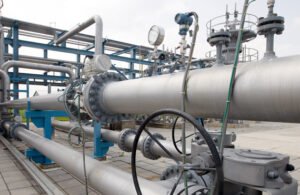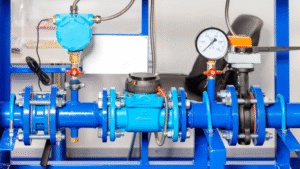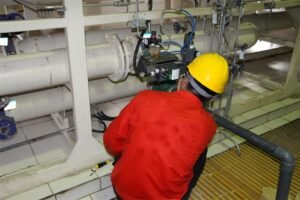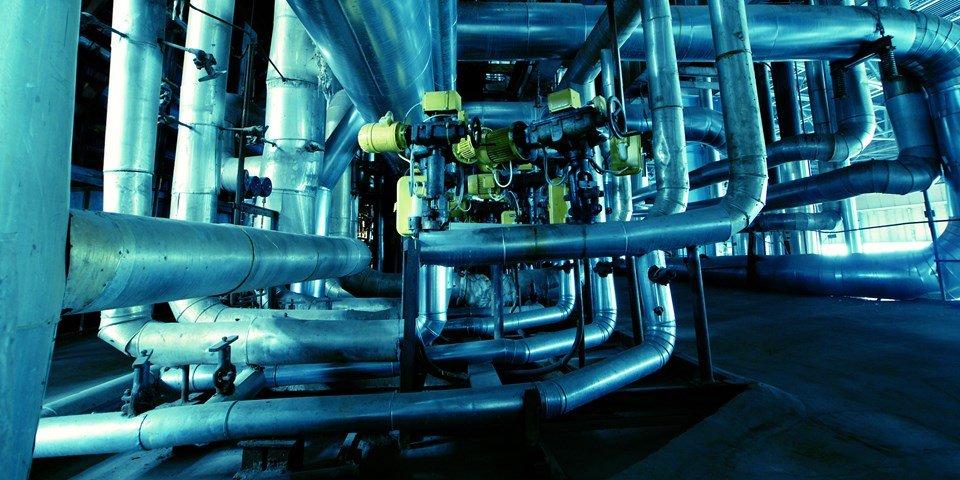

The safe and efficient operation of natural gas infrastructure depends on the continuous oversight of critical components, especially valves. Gas pipeline valve monitoring plays a central role in ensuring the integrity of transmission and distribution systems by enabling early detection of leaks, faults, and operational anomalies. As gas networks expand and regulatory requirements tighten, operators are increasingly turning to advanced monitoring solutions to safeguard assets, minimize downtime, and protect the environment.
Modern monitoring systems combine sensors, data analytics, and automation to provide real-time insights into valve performance. These technologies help operators respond quickly to abnormal conditions, optimize maintenance schedules, and reduce the risk of costly incidents. For organizations seeking to enhance reliability and safety, understanding the principles and benefits of valve surveillance is essential.
Predictive analytics are transforming how operators approach asset management. By leveraging valve anomaly prediction models, companies can proactively address issues before they escalate, reducing unplanned outages and maintenance costs. Integrating these models with real-time monitoring platforms enables a smarter, more resilient pipeline network.
Why Valve Surveillance Matters in Gas Networks
Valves are the gatekeepers of gas flow, controlling pressure, isolating sections for maintenance, and providing emergency shut-off capabilities. Any malfunction or undetected leak at these points can have serious consequences, including gas loss, environmental harm, and safety hazards for personnel and the public. Effective monitoring of gas pipeline valves is therefore a critical part of risk management and regulatory compliance.
Key reasons for implementing robust valve oversight include:
- Leak detection: Early identification of leaks prevents product loss and reduces the risk of fire or explosion.
- Fault detection: Monitoring helps spot valve failures, such as sticking, incomplete closure, or actuator problems, before they impact operations.
- Regulatory compliance: Many jurisdictions require continuous monitoring and documentation for critical pipeline assets.
- Operational efficiency: Real-time data allows for better scheduling of maintenance and reduces unnecessary downtime.
- Environmental protection: Rapid response to leaks limits methane emissions and environmental damage.
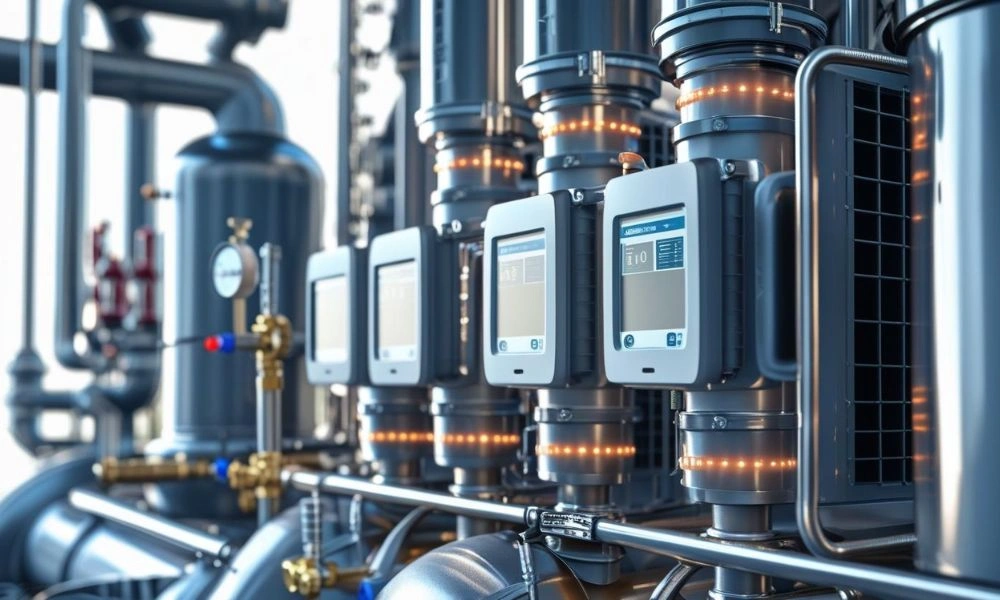
Core Technologies for Gas Pipeline Valve Monitoring
Advancements in sensor technology and industrial IoT have made it possible to continuously track the health and status of valves across vast pipeline networks. The main components of a modern valve monitoring system include:
- Pressure and flow sensors: These devices measure changes that may indicate leaks or blockages.
- Position sensors: Track whether a valve is open, closed, or partially actuated, ensuring alignment with control commands.
- Acoustic and vibration sensors: Detect abnormal sounds or movements that could signal mechanical faults or leaks.
- Temperature sensors: Monitor heat changes that may result from gas escaping or mechanical friction.
- Remote communication modules: Transmit data to centralized control rooms for real-time analysis and response.
These technologies can be deployed as standalone units or integrated into broader pipeline SCADA (Supervisory Control and Data Acquisition) systems. The result is a comprehensive view of valve performance, enabling timely intervention and improved decision-making.
Data Analytics and Predictive Maintenance
Raw sensor data alone is not enough to ensure pipeline safety. Advanced analytics platforms process this information to identify patterns, predict failures, and recommend maintenance actions. By applying valve performance data analytics, operators can move from reactive to proactive maintenance strategies.
Predictive maintenance relies on machine learning algorithms that analyze historical and real-time data to forecast when a valve is likely to fail or require servicing. This approach reduces unplanned outages, extends asset life, and optimizes resource allocation. For more on how analytics can drive operational insights, see valve performance data analytics.
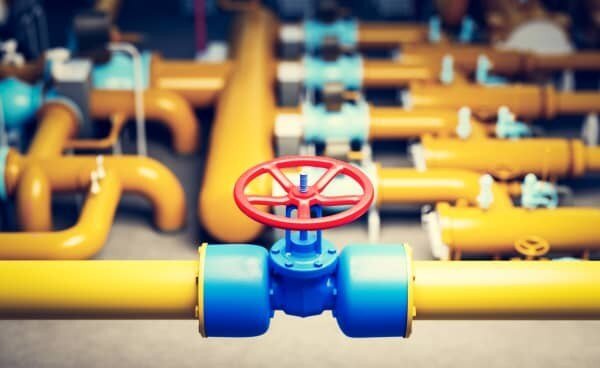
Automated Solutions for Enhanced Valve Oversight
Automation is reshaping the landscape of gas pipeline valve monitoring. Automated systems can detect, diagnose, and sometimes even correct faults without human intervention. These solutions are particularly valuable for remote or hazardous locations where manual inspection is impractical.
Key features of automated valve monitoring include:
- Continuous data collection and instant anomaly alerts
- Integration with emergency shutdown systems
- Remote diagnostics and control capabilities
- Automated reporting for compliance and audit purposes
To learn more about implementing smart monitoring platforms, visit automated valve monitoring solutions.
Challenges and Best Practices in Leak and Fault Detection
While technology has made significant strides, there are still challenges to achieving flawless leak and fault detection:
- Sensor calibration and reliability: Regular maintenance is required to ensure sensors remain accurate over time.
- Data overload: Large volumes of data can overwhelm operators without effective filtering and prioritization tools.
- Cybersecurity: Protecting remote monitoring systems from unauthorized access is critical.
- Integration with legacy infrastructure: Upgrading older pipelines to support modern monitoring can be complex and costly.
Best practices for effective valve monitoring include:
- Implementing multi-sensor approaches for redundancy
- Regularly testing and calibrating equipment
- Training staff on interpreting data and responding to alerts
- Establishing clear protocols for incident response
For an in-depth look at monitoring technologies for compressor valves, see this comprehensive article on compressor valve monitoring.
Future Trends in Pipeline Valve Monitoring
The future of gas pipeline valve monitoring is shaped by rapid advancements in artificial intelligence, edge computing, and wireless communication. Some emerging trends include:
- Edge analytics: Processing data closer to the source for faster detection and reduced bandwidth usage.
- Wireless sensor networks: Easier deployment and scalability across remote or inaccessible areas.
- Integration with digital twins: Creating virtual models of pipeline assets for simulation and predictive analysis.
- Enhanced cybersecurity: Protecting critical infrastructure from evolving digital threats.
As these technologies mature, operators will benefit from even greater visibility, efficiency, and safety across their gas networks.
FAQ
What are the main benefits of monitoring valves in gas pipelines?
Continuous valve surveillance helps operators detect leaks and faults early, improve safety, comply with regulations, reduce unplanned downtime, and minimize environmental impact. It also supports more efficient maintenance planning and resource allocation.
How do modern monitoring systems detect leaks or faults?
Modern systems use a combination of pressure, flow, acoustic, vibration, and temperature sensors to identify abnormal conditions. Data analytics platforms process this information to quickly alert operators to potential leaks or mechanical issues, enabling rapid response.
Can automated valve monitoring solutions be integrated with older pipeline infrastructure?
Yes, many solutions are designed to retrofit existing assets, though integration may require additional investment in communication modules or sensor calibration. Careful planning and phased implementation can help overcome compatibility challenges.