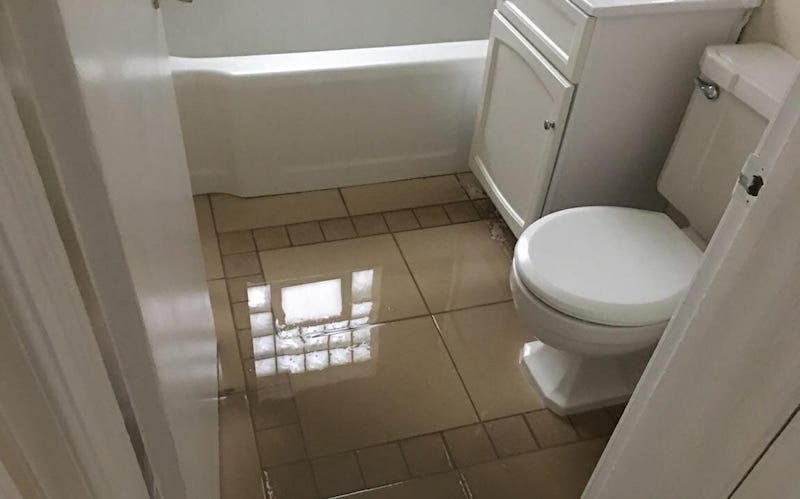

Experiencing a bathroom leak at night can be both startling and inconvenient. When the quiet of the night is disrupted by the sound of dripping water, it is crucial to take immediate action to prevent further damage. Detecting and fixing leaks quickly not only prevents water wastage but also saves you from potential structural damage to your home.
In this article, we will delve into the causes of a bathroom leak at night, how to identify them, and effective solutions to address these issues. We will also provide insights on prevention tips to avoid future occurrences.
Understanding the Causes of a Bathroom Leak
Leaks can be caused by various factors, ranging from worn-out fixtures to hidden pipe damage. It’s essential to identify the root cause to apply the right solution.
Worn-Out Faucet
One of the most common causes of leaks is a worn-out faucet. Over time, the seals and washers inside the faucet can degrade, leading to leaks. Inspecting and replacing these components can often resolve the issue.
Corroded Pipes
Corroded pipes are another potential source of leaks. Pipes can corrode due to age, water quality, or external environmental factors. Regular inspection and maintenance can help detect corrosion early.
Clogged Drains
Clogs in your bathroom drains can cause water to accumulate and eventually leak. Ensuring clear and clean drains is essential to prevent overflow and leaks.
Identifying a Bathroom Leak at Night
Detecting a leak at night can be challenging due to limited visibility and the quiet environment. However, certain signs can help you identify leaks effectively.
Sound of Dripping Water
The most obvious indicator of a leak is the sound of dripping water. Listen carefully to pinpoint the source and address it promptly.
Visible Water Stains
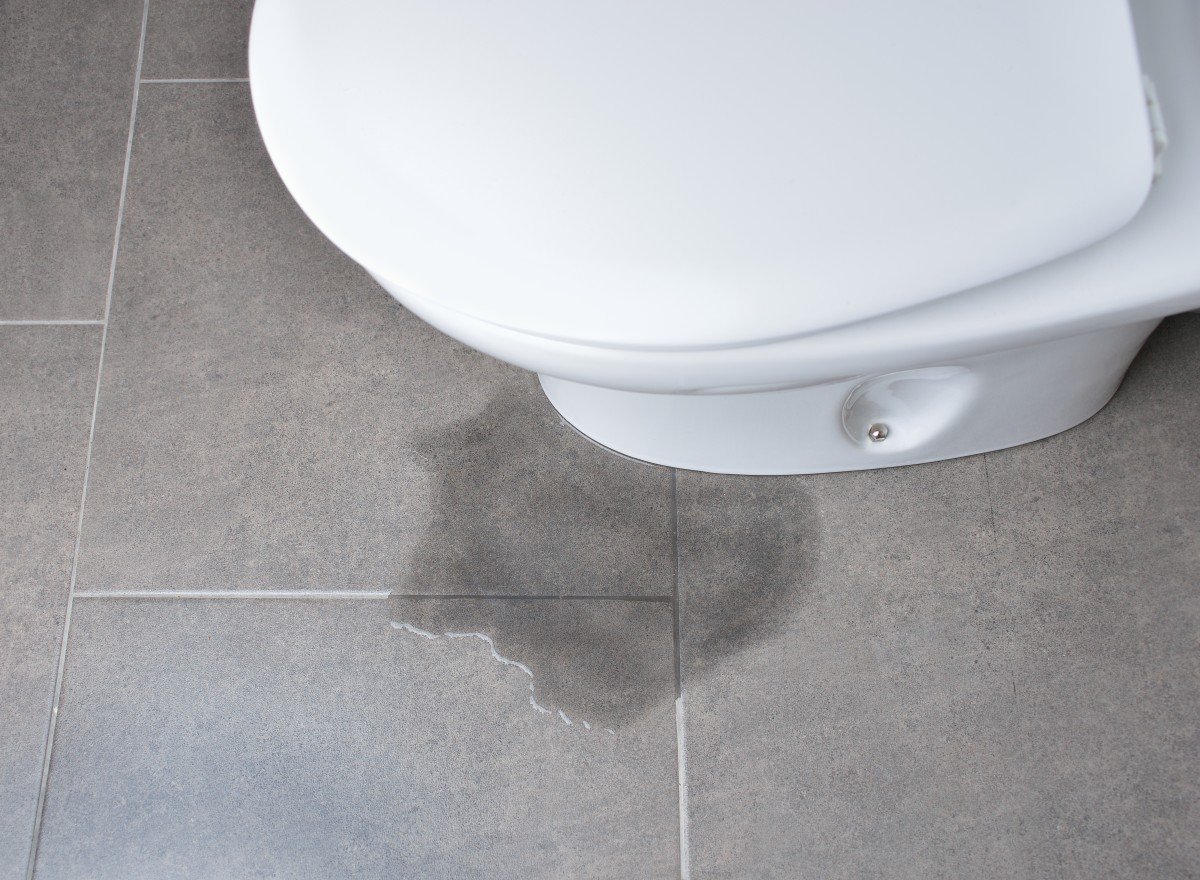
Water stains on walls, ceilings, or floors can indicate a hidden leak. These stains often appear as dark patches or discoloration.
Musty Odor
A musty odor in the bathroom can be a sign of mold or mildew caused by a leak. Addressing the leak and ensuring proper ventilation can help eliminate the odor.
Immediate Steps to Take
Upon discovering a bathroom leak at night, immediate action is crucial to minimize damage.
Shut Off the Water Supply
Locate the main water supply valve and turn it off to prevent further water flow and damage. This step is critical in controlling the situation.
Contain the Leak
Use towels or a bucket to contain the leak temporarily. This helps prevent further water damage to your floors and walls.
Fixing the Leak
Once the immediate threat is contained, it’s time to address the leak properly.
Replacing Faulty Fixtures
If the leak is due to a faulty fixture, consider replacing it. New fixtures often come with improved designs and seals that prevent future leaks.
Repairing or Replacing Pipes
If corroded pipes are the cause, you may need to repair or replace them. This can be a complex task, so consider hiring a professional plumber for assistance.
Clearing Clogs
If a clog is causing the leak, use a plunger or drain snake to clear it. Regular maintenance can help prevent clogs and associated leaks.
Preventing Future Leaks
Prevention is the best strategy to avoid leaks in the future.
Regular Inspections
Conduct regular inspections of your bathroom plumbing to detect any signs of wear and tear early.
Upgrade Fixtures
Consider upgrading old fixtures to modern, leak-resistant designs. This can improve efficiency and reduce the likelihood of leaks.
Maintain Good Drainage
Ensure your drains are clear and functioning correctly to prevent water overflow and leaks.
For more information on sink leaks and fixing bathroom leaks, visit Valvex’s comprehensive guides.
FAQ
1. How do I know if my bathroom leak is severe?
If the leak causes visible water stains, mold, or structural damage, it may be severe. Immediate action is recommended.
2. Can I fix a bathroom leak myself?
Simple leaks, such as those from faucets, can often be fixed by homeowners. However, complex leaks may require professional assistance.
3. What should I do if I can’t locate the source of the leak?
If you can’t find the source, consider hiring a professional plumber to diagnose and fix the problem.
For additional tips on leak detection, check out this external resource.
This article contains affiliate links. We may earn a commission at no extra cost to you.