
In the world of home maintenance, few issues are as common and potentially damaging as a bathroom bathtub joint leak. This seemingly minor problem can lead to significant water damage, mold growth, and costly repairs if not addressed promptly. Understanding the causes, solutions, and preventive measures for this issue is crucial for homeowners and industrial engineers alike.
Understanding the Problem: What is a Bathroom Bathtub Joint Leak?
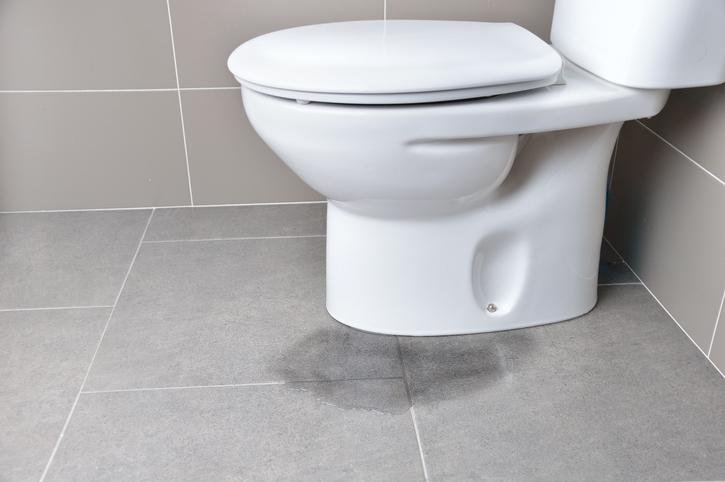
A bathroom bathtub joint leak occurs when water seeps through the joints connecting the bathtub to the surrounding structures, such as walls and floors. These leaks are often due to worn-out seals or improperly installed joints. They can result in water pooling under the bathtub or leaking into adjacent areas, causing damage over time.
Common Causes of Joint Leaks
Several factors can contribute to a bathroom bathtub joint leak. Understanding these causes can help in diagnosing and fixing the problem effectively.
- Worn-Out Seals: Over time, the seals around your bathtub can degrade due to constant exposure to water and temperature changes.
- Improper Installation: Poor installation practices can lead to misalignment of joints, making them prone to leaks.
- Structural Movement: Houses settle over time, which can cause shifts that disrupt the tightness of bathtub joints.
Identifying a Bathroom Bathtub Joint Leak
It’s essential to identify a bathroom bathtub joint leak early to prevent extensive damage. Here are some signs to watch for:
- Water Stains: Look for water stains on ceilings or walls beneath the bathroom. For more on this, visit signs in ceiling.
- Mold Growth: Mold thrives in damp environments, so its presence can indicate a leak.
- Loose Tiles: Water can seep under tiles, causing them to become loose. Learn more about this at water under tiles.
How to Detect a Leak
Detecting a leak can sometimes require professional tools and techniques. For detailed guidance, you might find this external resource helpful: detect a bathroom leak.
Solutions for Fixing a Bathroom Bathtub Joint Leak
Once you’ve identified a bathroom bathtub joint leak, it’s crucial to address it promptly. Here are some solutions to consider:
Re-Sealing Joints
Re-sealing is often the first step in fixing a leak. This involves removing old sealant and applying a new, water-resistant sealant. For more on the types of sealants, check out tile sealant.
Repairing Structural Issues
If the leak is due to structural movement, addressing these shifts can be more complex. It might involve reinforcing the bathtub’s support structure or realigning the joints.
Professional Help
In many cases, especially when the leak is extensive, hiring a professional plumber is advisable. They have the tools and expertise to address the issue effectively.
Preventing Future Leaks
Prevention is always better than cure. Here are some tips to prevent future bathroom bathtub joint leaks:
Regular Inspections
Regularly inspect your bathroom for signs of wear and tear. This can help you catch potential problems early.
Proper Installation
Ensure that any new installations are done by professionals to avoid improper fitting. For more on this, refer to caulking leak.
Use Quality Materials
Invest in high-quality materials for your bathroom fixtures. This can reduce the likelihood of leaks and other issues over time.
Conclusion
A bathroom bathtub joint leak is a common but manageable issue. By understanding its causes and solutions, you can effectively address and prevent leaks, protecting your home from potential water damage. Remember, when in doubt, consulting a professional is always a wise decision.
FAQs
What are the first signs of a bathtub joint leak?
Initial signs often include water stains on walls or ceilings and unexpected mold growth in the bathroom.
Can I fix a joint leak myself?
Basic re-sealing can be a DIY task, but extensive leaks may require professional intervention.
How often should I inspect my bathtub joints?
It’s advisable to inspect your bathtub joints at least twice a year to catch any issues early.
This article contains affiliate links. We may earn a commission at no extra cost to you.