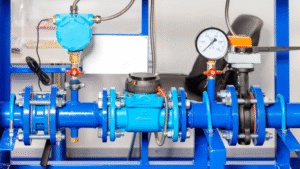
When it comes to the intricate world of plumbing, the choice between replace vs retrofit plumbing can be a pivotal decision. This choice not only affects the efficiency and functionality of your water systems but also impacts long-term sustainability and cost. Whether you’re an industrial engineer or a homeowner, understanding these options is crucial. In this article, we delve into the intricacies of both replacement and retrofitting, providing you with the insights needed to make informed decisions.

Understanding the Basics of Plumbing
Plumbing is an essential component of any building, responsible for water distribution and waste management. It involves a complex network of pipes, valves, and fixtures that require regular maintenance and, at times, upgrades. Knowing when to replace or retrofit is key to ensuring the longevity and efficiency of your plumbing systems.
What Does Plumbing Replacement Involve?
Plumbing replacement involves completely removing old pipes and fixtures and installing new ones. This process is usually necessary when the existing systems are outdated, severely damaged, or inefficient. Replacement is a comprehensive approach that provides a fresh start, ensuring that your plumbing meets current standards and demands.
What is Plumbing Retrofit?
Retrofitting involves upgrading certain components of your plumbing system without replacing everything. This option is ideal when the existing infrastructure is still in good condition but requires enhancements to improve performance or efficiency. Retrofitting can involve adding new technology or components to an existing system to extend its life and improve functionality.
Advantages of Plumbing Replacement
There are several advantages to opting for plumbing replacement:
- Enhanced Efficiency: New plumbing systems are designed to be more efficient, reducing water wastage and energy consumption.
- Improved Safety: Replacing old pipes can eliminate health hazards such as lead contamination.
- Long-Term Savings: While the initial cost is higher, newer systems often come with lower maintenance costs and increased longevity.
Benefits of Retrofitting Plumbing
Retrofitting offers its own set of benefits:
- Cost-Effective: Retrofitting is generally less expensive than a full replacement, making it a viable option for budget-conscious projects.
- Minimal Disruption: Since it involves less invasive work, retrofitting can often be completed more quickly and with less disruption to daily activities.
- Sustainability: By upgrading existing systems, retrofitting can contribute to sustainability goals by reducing waste and improving efficiency.
When to Choose Replacement Over Retrofit
Deciding when to opt for replacement rather than retrofitting depends on several factors:
- Age of the System: If the plumbing system is over 20 years old, replacement might be the best option.
- Extent of Damage: Extensive damage or multiple leaks may necessitate a complete overhaul.
- Technological Upgrades: If modern technology cannot be integrated into the existing system, replacement is advisable.
When is Retrofitting the Best Option?
Retrofitting is ideal in the following scenarios:
- System is Relatively New: If the plumbing system is in good condition and not very old, retrofitting can enhance its performance without full replacement.
- Budget Constraints: When budget limitations are a concern, retrofitting can offer improvements without significant expense.
- Eco-Friendly Goals: For those looking to improve efficiency and reduce environmental impact, retrofitting can be a sustainable choice.
The Role of Technology in Plumbing
Technology is changing the way we approach plumbing. Innovations like AI-based systems are transforming water management, offering smarter solutions for both retrofitting and replacement. For instance, AI can optimize water usage and alert users to potential issues, making it a valuable tool in modern plumbing strategies. For more on AI in plumbing, visit AI-based water saving.
Case Study: Successful Plumbing Replacement
In a recent project, a manufacturing facility opted for a complete plumbing replacement. The decision was driven by frequent leaks and inefficiencies that were disrupting operations. The new system incorporated advanced materials and technology, resulting in a 30% reduction in water usage and a significant decrease in maintenance costs.
Case Study: Effective Retrofitting
Conversely, a residential complex chose retrofitting to update its water heating system. By integrating smart technology, the complex reduced energy consumption by 25% and improved tenant satisfaction. This project underscores the potential of retrofitting to enhance existing systems affordably.
Expert Opinions on Plumbing Decisions
Experts agree that the choice between replacement and retrofitting depends on specific needs and conditions. According to industry professionals, it’s crucial to conduct a thorough assessment of the current system, considering factors like age, condition, and future requirements. For insights into integrating AI in plumbing, visit smart home plumbing.
Conclusion: Making the Right Choice
Ultimately, the decision to replace or retrofit plumbing hinges on a variety of factors. By understanding the benefits and limitations of each option, you can make informed decisions that align with your goals, whether they are financial, environmental, or performance-based. As technology continues to evolve, both replacement and retrofitting offer exciting opportunities for innovation and improvement in plumbing.
Frequently Asked Questions
What factors determine the choice between replacement and retrofitting?
The choice depends on the age, condition, and future needs of the plumbing system, as well as budget and sustainability goals.
How does technology influence modern plumbing strategies?
Technology, especially AI, enhances water management by optimizing usage and providing alerts for potential issues, making both replacement and retrofitting more efficient.
What are the cost implications of plumbing replacement?
While initially higher, the long-term savings from reduced maintenance and improved efficiency often justify the cost of replacement.
This article contains affiliate links. We may earn a commission at no extra cost to you.