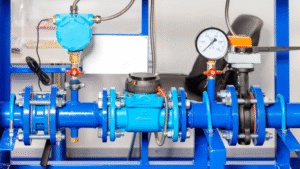
In today’s world, where technology is rapidly advancing, the idea of a DIY smart plumbing install is becoming increasingly appealing to many homeowners. These systems not only offer convenience but also significantly enhance the efficiency of water usage in your home. In this guide, we will explore how you can effectively undertake a DIY smart plumbing install and the benefits it can bring to your home.

Understanding Smart Plumbing
Before diving into the installation process, it is essential to understand what smart plumbing entails. Essentially, it involves integrating technology with traditional plumbing systems to improve efficiency, control, and monitoring. This integration allows homeowners to manage water usage better, detect leaks early, and even control plumbing fixtures remotely.
Benefits of Smart Plumbing
Smart plumbing systems offer numerous benefits, including:
- Water Conservation: By monitoring and managing water usage, these systems help reduce wastage significantly.
- Early Leak Detection: Smart sensors can detect leaks early, preventing potential water damage and costly repairs.
- Remote Control: With smart plumbing, you can control your homes water systems remotely, adding convenience and flexibility to your daily routine.
Essential Tools and Materials
To embark on a DIY smart plumbing install, you will need the following tools and materials:
- Smart valves and sensors
- Wrench set
- Pipe cutters
- Teflon tape
- Smart home hub or controller
Preparing for Installation
Preparation is crucial for a successful installation. Start by planning the layout of the plumbing system and identifying the key areas where smart technology will be integrated. Ensure you have all the necessary tools and materials ready before starting the installation process.
Step-by-Step Installation Guide
Step 1: Shut Off Water Supply
Before beginning any installation, ensure that the main water supply is turned off to prevent any accidental flooding or water wastage.
Step 2: Install Smart Valves
Install smart valves at key points in your homes plumbing system. These valves will allow for remote control and monitoring of water flow.
Step 3: Integrate Sensors
Place sensors in areas prone to leaks, such as under sinks or near appliances. These sensors will alert you to any leaks, allowing for quick action to prevent damage.
Step 4: Connect to Smart Hub
Integrate your plumbing system with a smart home hub or controller. This connection will enable you to manage and monitor your plumbing remotely.
Step 5: Test the System
Once everything is installed, turn the water supply back on and test the system. Ensure that the smart features are functioning correctly and that there are no leaks.
Maintenance and Troubleshooting
Regular maintenance is crucial to ensure the longevity and efficiency of your smart plumbing system. Periodically check the sensors and valves for any signs of wear or malfunction. Additionally, keep your smart home hub updated to ensure seamless integration and functionality.
Common Issues and Solutions
- Connectivity Issues: Ensure that your smart home hub and plumbing system are within the Wi-Fi range and that the connection is stable.
- False Leak Alerts: Regularly check and calibrate sensors to prevent false alerts.
Optimizing Water Usage with Smart Plumbing
Smart plumbing systems can significantly optimize water usage in your home. By utilizing data collected from sensors, homeowners can identify patterns and areas for improvement, leading to more efficient water use and reduced utility bills. Learn more about optimizing water usage with smart plumbing at AI Water Consumption Tracking.
Future of Smart Plumbing
As technology advances, the future of smart plumbing looks promising. Innovations such as AI integration and advanced data analytics are set to revolutionize how we manage water in our homes. Discover more about the future of smart plumbing at The Future of Smart Homes.
Conclusion
Embarking on a DIY smart plumbing install is an exciting venture that offers numerous benefits for homeowners. By following this comprehensive guide, you can successfully integrate smart technology into your homes plumbing system, enhancing efficiency and convenience. Remember to maintain your system regularly to ensure its longevity and optimal performance.

FAQ
What is smart plumbing?
Smart plumbing involves integrating technology with traditional plumbing systems to enhance efficiency, control, and monitoring.
How does smart plumbing conserve water?
Smart plumbing systems monitor and manage water usage, significantly reducing wastage and promoting conservation.
Can I install smart plumbing myself?
Yes, with the right tools and guidance, you can undertake a DIY smart plumbing install and enjoy its numerous benefits.
This article contains affiliate links. We may earn a commission at no extra cost to you.