Understanding Retrofit Smart Valves and Their Importance
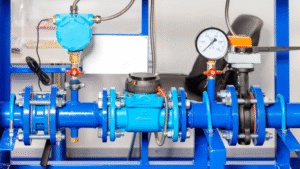
In today’s rapidly advancing technological world, industries are continuously seeking ways to improve efficiencies and reduce costs. One such innovation is the integration of retrofit smart valves into existing fluid control systems. These valves are designed to enhance the capabilities of traditional systems without the need for complete overhauls. Retrofit smart valves offer intelligent features that make them an attractive option for industries looking to modernize their infrastructure.

The Benefits of Integrating Smart Valves
Implementing smart valves not only improves operational efficiency but also enhances safety and precision. These valves are equipped with sensors and control systems that allow them to communicate data in real-time, providing insights into system performance and enabling predictive maintenance. By retrofitting existing systems with smart valves, industries can significantly reduce the risk of operational disruptions.
How Retrofit Smart Valves Work
Retrofit smart valves are typically installed into existing pipelines or fluid systems. They incorporate smart technologies such as Internet of Things (IoT) devices and machine learning algorithms to monitor and control fluid flow. These features allow the valves to adjust to system demands dynamically, optimizing performance and energy usage. Furthermore, they can be programmed to trigger alerts in case of anomalies or potential failures.
Applications of Smart Valve Technology
The applications of smart valve technology are vast and diverse. Industries like water management, oil and gas, chemical processing, and HVAC systems benefit significantly from these advanced solutions. In water management, for instance, smart valves can be integrated with AI technologies to optimize water distribution and reduce wastage. Interested in how AI can save water? Check out this AI Water Habits for more insights.

Challenges and Considerations
Despite the numerous advantages, there are challenges associated with implementing retrofit smart valves. Cost is a primary consideration, as initial investments can be significant. However, the long-term savings and efficiency improvements often outweigh these costs. Additionally, industries must consider factors such as compatibility with existing systems, the complexity of installation, and the need for employee training to harness the full potential of the technology.
Future of Smart Valves in Industrial Systems
The future of smart valves in industrial systems is promising. As technology continues to evolve, these valves will become more accessible and versatile, catering to a wider range of industries. Innovations will likely focus on enhancing connectivity and further automating processes, making industrial operations more efficient and sustainable. For further reading on how AI is impacting the plumbing business, visit AI in Plumbing.
Making the Transition to Smart Systems
The journey to integrating smart systems can be daunting, but with careful planning and strategic implementation, industries can reap substantial benefits. It is crucial to collaborate with experienced professionals who understand the intricacies of both traditional and smart systems. This collaboration ensures a seamless transition and maximizes the effectiveness of the newly implemented technologies. Dive deeper into smart scheduling with Smart Water Scheduling.
FAQ Section
What are retrofit smart valves?
Retrofit smart valves are advanced valves integrated into existing systems to enhance efficiency, safety, and operational capabilities through smart technologies.
Why is it essential for industries to consider smart valves?
Integrating smart valves helps industries improve fluid management, reduce costs, predict maintenance needs, and ensure process safety.
Are smart valve systems easy to implement?
While smart valve systems offer great benefits, their implementation requires careful planning, considering costs, compatibility issues, and workforce training.
This article contains affiliate links. We may earn a commission at no extra cost to you.