In today’s rapidly advancing world, efficient water usage is not just a goalit’s a necessity. As global demand for agricultural productivity rises, the impact of water management becomes increasingly critical. Smart irrigation water control systems offer a promising solution that combines technology with sustainable practices.
From reducing water consumption to improving crop yields, these intelligent systems utilize cutting-edge technologies such as sensors and data analytics. Let’s delve into how these innovations are transforming agricultural landscapes and enhancing the lives of farmers across the globe.
The Basics of Smart Irrigation Water Control
Smart irrigation systems are designed to efficiently manage water resources by tailoring water delivery according to environmental conditions. By integrating sensors, real-time data, and automated controls, these systems minimize waste, ensuring that water is distributed where and when needed most.
The Role of Technology in Smart Irrigation
Technology forms the backbone of smart irrigation systems. Sensors strategically placed across fields collect information about soil moisture levels, weather conditions, and plant requirementstransforming this data into actionable insights. With the help of cloud computing and AI, these insights help optimize watering schedules, ultimately enhancing productivity.
Key Benefits of Implementing Smart Irrigation Systems
Implementing smart irrigation technology offers numerous benefits beyond mere water conservation. Not only does it facilitate higher crop yields, but it also promotes sustainable farming practices. Moreover, it can significantly reduce the labor required for manual irrigation.
Some noteworthy advantages include cost savings on water bills, reduced risk of plant diseases due to overwatering, and the ability to remotely monitor and control irrigation systems via smartphones or computers.
Essential Components of a Smart Irrigation System
To understand the full potential of smart irrigation water control, it’s crucial to familiarize yourself with its components:
Sensors and IoT Devices
Sensors are pivotal in collecting vitally important data. Soil moisture sensors, weather stations, and flow meters gather real-time information, enabling growers to make informed decisions.
Data Analytics and Cloud Computing
Data analytics tools process the information gathered by sensors, forecasting water needs and optimizing irrigation schedules. This process often leverages the power of cloud computing to store and analyze large data sets, offering predictive insights.
Automated Control Systems
Automated control systems take these insights and use them to operate valves and sprinklers. This ensures that water is delivered precisely where it is needed, avoiding wastage.
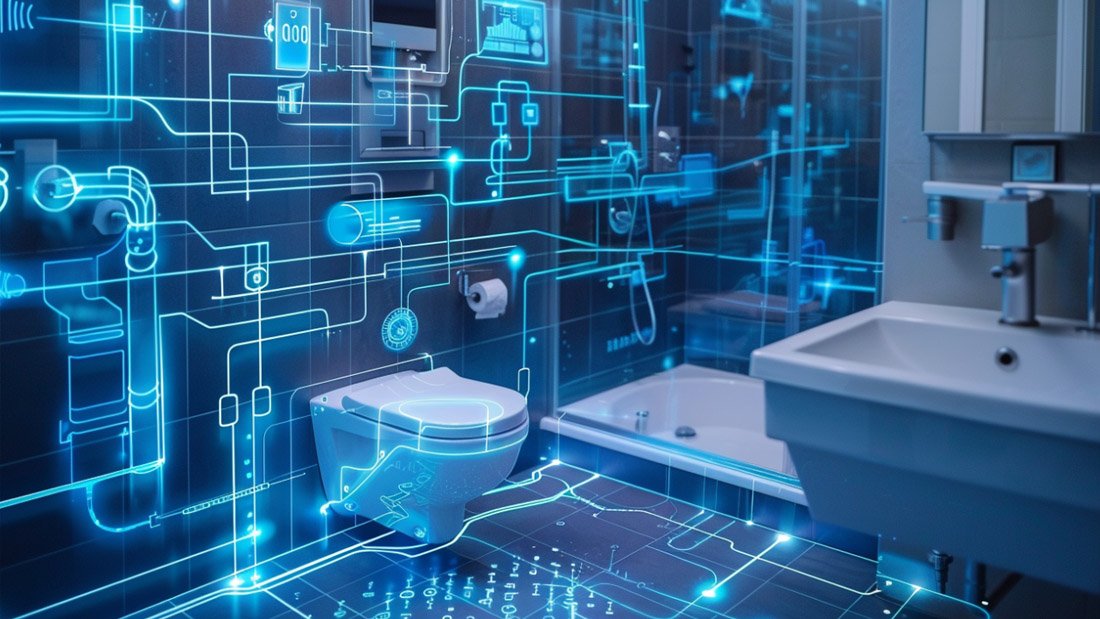
AI Smart Water Scheduling and Intelligent Toilet Shutoff Valve solutions are further augmenting these systems by integrating AI for more precise control.
Challenges in Implementing Smart Irrigation Systems
While the benefits are numerous, the adoption of smart irrigation technologies faces some challenges. High initial setup costs can be a barrier for small-scale farmers. Moreover, technological proficiency and access to reliable internet connectivity can also pose significant challenges.
Nevertheless, as the cost of technology decreases and awareness increases, these barriers are slowly being overcome. Resources such as AI Companies for Farmers are working towards making these solutions accessible to a broader audience.
Future Prospects of Smart Irrigation Water Control
With advancements in AI and machine learning, the future of smart irrigation is incredibly promising. Technologies are expected to become smarter, more reliable, and cheaper. This will pave the way for mass adoption across both small and large-scale farms globally.
Implementing Smart Irrigation: A Step-by-Step Guide
Before adopting this technology, its crucial to conduct a thorough assessment of your water usage and landscape needs. Collaborating with experts, selecting the appropriate technology, and ensuring proper installation and maintenance are key to successful implementation.
Conclusion
Smart irrigation water control is revolutionizing agricultural practices, promoting efficient resource use and enhancing productivity. As these systems become more affordable and accessible, they hold the potential to mitigate water scarcity challenges worldwide.

FAQs on Smart Irrigation Systems
What Are Smart Irrigation Systems?
Smart irrigation systems utilize technology to optimize water usage according to real-time conditions, resulting in better water management and conservation.
How Does Smart Irrigation Benefit Farmers?
Farmers can increase productivity, save on costs, and utilize labor more efficiently. Enhanced control over water delivery reduces instances of crops being overwatered or underwatered.
What Are the Challenges of Implementing These Systems?
Challenges include initial setup costs, technical expertise, and internet connectivity. However, advancements and decreasing technological costs are gradually mitigating these barriers.
This article contains affiliate links. We may earn a commission at no extra cost to you.