In today’s world, the transition towards sustainability is more important than ever. Industrial engineers and homeowners alike are looking for ways to incorporate environmentally conscious practices into daily life. One such crucial area is eco-friendly plumbing upgrades. These upgrades are vital not only for reducing water waste but also for conserving energy and promoting long-term ecological health. The focus on eco-friendly plumbing upgrades within the initial design phases of a project can have significant payoffs, both financially and environmentally.
The Growing Importance of Eco-friendly Plumbing
The role of plumbing in a building’s infrastructure cannot be understated. Traditional plumbing systems often contribute to high levels of water waste, which in turn leads to greater energy consumption. By implementing eco-friendly plumbing upgrades, significant strides can be made in reducing this waste. From as simple as opting for faucet aerators to more complex installations like AI-driven water management systems, these changes are becoming indispensable.
Understanding the Basics of Sustainable Plumbing
When we talk about sustainable plumbing, we refer to systems that prioritize resource efficiency. The key here is to incorporate technologies and practices that reduce the environmental impact. Water usage tracking is one such innovation, enabling smarter consumption monitoring and leak prevention.
Water-efficient Fixtures
Perhaps the most accessible upgrade is installing water-efficient fixtures. These include low-flow showerheads and dual-flush toilets, which significantly reduce water usage without impacting performance. Such fixtures are designed to maintain pressure and ensure efficient water use.
Leak Detection and Prevention Systems
Advanced technologies have made it possible to install systems that detect leaks early. By plumbing alerts, any leaks can be identified and addressed promptly, preventing substantial water wastage.
Innovations Driving Eco-friendly Plumbing
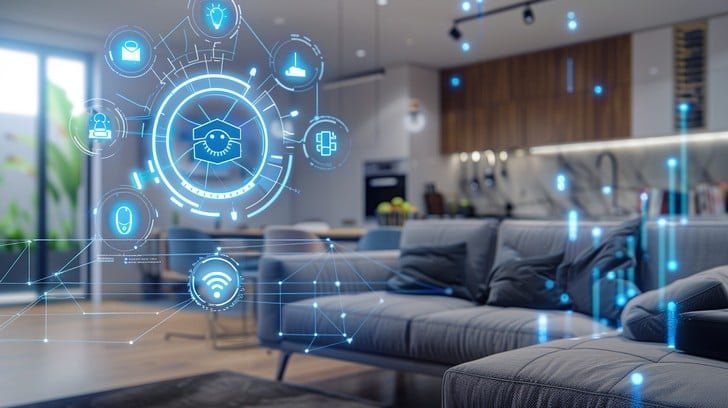
Recent innovations in the plumbing industry are making a significant difference. Technologies that were once thought of as futuristic are now readily available. For example, AI and IoT integrations offer comprehensive solutions for water management. Smart home systems are a testament to how advanced our efforts in sustainability can be, streamlining water usage efficiently.
Greywater Systems
Graywater systems recycle water from showers, sinks, and washing machines, allowing it to be used for landscaping and flushing toilets. This reutilization reduces the consumption of fresh water significantly. These systems are becoming increasingly common in eco-friendly buildings.
Rainwater Harvesting Systems
Another simple but effective solution is rainwater harvesting. Collecting rainwater for non-potable uses like toilet flushing and irrigation reduces demand on water supplies and decreases the volume of stormwater runoff.
Cost Implications and Benefits
One of the primary concerns people have about sustainable upgrades is cost. While the initial investment might appear substantial, the long-term savings in water and energy usage can provide a swift return on investment. Intelligent shutoff systems can cut costs significantly by preventing water wastage.
Government Incentives and Rebates
To encourage environmentally-friendly practices, many governments offer incentives and rebates for installations of eco-friendly systems. Consulting with local regulations can be beneficial in this regard, as these can offer a substantial financial relief.
Long-term Environmental Impact
Besides financial benefits, using fewer resources helps maintain ecological balance. By reducing energy consumption, we indirectly lower our carbon footprint, making a positive impact on climate change efforts.
Future of Eco-friendly Plumbing
The future looks promising for sustainable plumbing initiatives. Technological advancements promise more effective strategies for water conservation. Concepts like AI-assisted water management and real-time monitoring of entire plumbing systems are paving the way for future innovations. Working towards water usage monitoring, we ensure sustainability.
Steps to Implement Eco-friendly Plumbing Upgrades
- Conduct a detailed assessment of current plumbing systems.
- Choose the correct upgrades that suit your specific needs.
- Hire professionals or consult engineering firms for best practices.
- Keep abreast of new technologies and evolving practices.
- Regularly maintain systems to prolong their efficiency.
Challenges in Adopting Eco-friendly Plumbing
Notably, the challenges in adopting sustainable plumbing measures mainly stem from initial costs and resistance to change. Educating stakeholders on the long-term benefits and utility can reduce these concerns substantially.
Conclusion
In conclusion, eco-friendly plumbing upgrades are an essential component of sustainable living. They not only offer cost savings and reduced environmental impact but also contribute positively to global resource conservation efforts. By encouraging the adoption of these measures, industrial engineers play a critical role in steering the future towards a more sustainable and ecologically responsible path.
FAQs
- What are eco-friendly plumbing upgrades? Eco-friendly plumbing upgrades refer to modifications and technology implementations aimed at reducing water usage and improving efficiency.
- Why should we switch to eco-friendly plumbing? It reduces water and energy consumption, thereby decreasing environmental impact and often cutting costs.
- How can one know which system to choose? Consult with professionals to understand the best solutions for your specific needs and assess potential benefits and savings.
This article contains affiliate links. We may earn a commission at no extra cost to you.