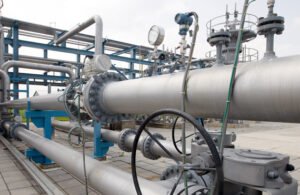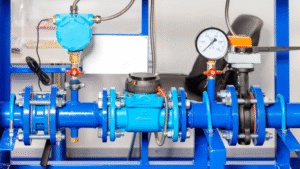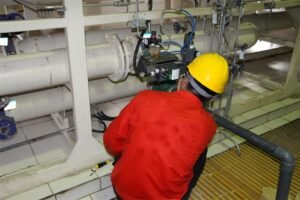

In today’s rapidly advancing technological landscape, AI leak prevention has become a focal point for industrial engineers striving to maintain efficiency and safety in various sectors. The integration of artificial intelligence in leak detection and prevention systems is transforming the way industries manage potential hazards…
Understanding AI Leak Prevention
The implementation of AI leak prevention requires a comprehensive understanding of both artificial intelligence and the leak-prone environments within industrial settings. This article delves deep into the mechanisms, benefits, and considerations of integrating AI systems for AI-based leak alerts…
How AI Leak Prevention Works
At the heart of AI leak prevention is machine learning, a subset of artificial intelligence that involves the use of algorithms and models to predict and prevent potential leaks in industrial systems…
Advantages of Implementing AI Leak Prevention
Enhanced Efficiency and Safety
Integrating AI for leak prevention enhances operational efficiency by minimizing disruptions and ensuring equipment integrity. This technology ensures higher standards of safety, reducing the likelihood of accidents due to leaks…
Cost-Effectiveness
Although implementing AI systems for leak prevention may involve initial costs, the long-term benefits in cost savings from reduced downtime and prevented hazards make it a viable investment. Read more about the cost implications here…
Environmental Impact
AI technology assists in monitoring and controlling systems that may inadvertently contribute to environmental issues through leaks, promoting sustainability in industrial operations…
Key Components of AI Leak Prevention Systems
Predictive Analytics
Predictive analytics is a critical component of AI leak prevention, allowing engineers to foresee potential system failures. For more insights visit machine learning techniques used in water systems…
Real-Time Monitoring
Real-time monitoring provided by AI systems ensures that any leak is immediately detected and addressed, minimizing risk and preventing damage before it escalates…
Automation and Control
With advanced AI integration, automatic control and adjustments can be made to system parameters to manage and mitigate potential leaks efficiently…
Challenges Faced in AI Leak Prevention
Technical Limitations
Despite significant advancements, technical challenges such as system integration and data management remain prevalent. Engineers must navigate these to optimize AI leak prevention solutions…
Implementation Costs
While the benefits are clear, the costs associated with deploying AI systems for leak prevention can be prohibitive for some industries. Strategic planning and budgeting are essential…
Data Privacy and Security
Data privacy and security are crucial concerns in AI applications. Protective measures must be in place to safeguard sensitive information from breaches…
Case Studies of AI Leak Prevention
Industry Success Stories
There are several successful cases of AI leak prevention, from oil rigs to chemical industries, where AI has dramatically reduced leak-related incidents…
Lessons Learned
Reviewing these case studies provides valuable insights into the effective application of AI with considerations for constant learning and improvement…
Future of AI Leak Prevention
Innovations on the Horizon
The future of AI leak prevention promises even greater innovations with the advent of more sophisticated algorithms and data integration strategies…
Potential Industry Transformations
As AI continues to evolve, its role in leak prevention will likely extend to broader industry applications, enhancing overall operational transparency and efficiency…
Conclusion
In conclusion, AI leak prevention stands at the forefront of technological advancement for industrial engineering. With continued innovation and implementation, AI systems are poised to significantly reduce leak-related risks in various settings…

FAQ
What is AI leak prevention?
AI leak prevention is the application of artificial intelligence to predict, detect, and prevent leaks in industrial systems, thereby enhancing operational efficiency and safety.
How does predictive analytics aid in AI leak prevention?
Predictive analytics uses advanced algorithms to analyze data patterns and predict future leak incidents, allowing proactive management of potential issues…
What industries benefit most from AI leak prevention?
Industries like oil and gas, pharmaceuticals, and manufacturing benefit significantly from AI leak prevention due to their complex systems and potential for high-risk leaks…
This article contains affiliate links. We may earn a commission at no extra cost to you.