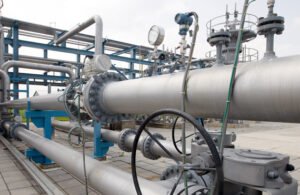
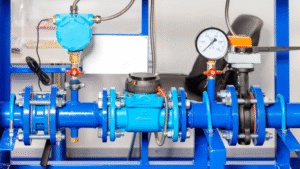
In the world of industrial engineering, the ability to monitor gas valve systems is crucial. Monitoring gas valves is not just about safety, but it also enhances energy efficiency and operational reliability in industrial settings. The primary function of a gas valve is to regulate, control, or shut off the flow of gas within a pipeline. It is essential to keep these valves under a vigilant monitoring system to ensure that everything operates smoothly.
Industries heavily rely on gas for various applications; hence, accurate monitoring mechanisms become imperative. With advanced technology, businesses can now implement more sophisticated monitoring systems that provide a range of benefits. In this article, we delve into the significance, methods, and innovations related to monitoring gas valve systems.
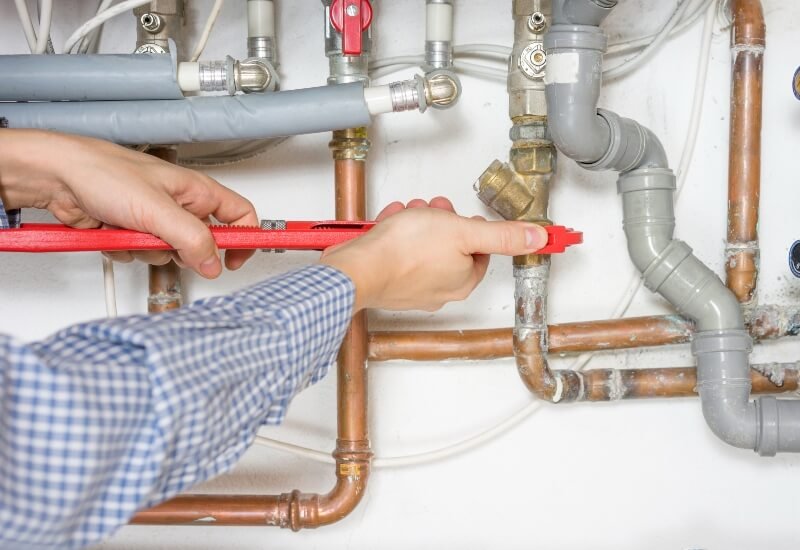
Importance of Gas Valve Monitoring
The primary aspect of gas valve monitoring is safety. Valves that malfunction can lead to disastrous consequences, including gas leaks and explosions. Efficient monitoring helps in preempting these situations by ensuring valves are operating correctly and alerts are set up for any unauthorized changes or anomalies.
Types of Gas Valves
Manual Valves
Manual valves require human intervention to operate. Although they are straightforward to use, they carry the risk of human error, which is why regular checks and maintenance are essential.
Automatic Valves
Automatic valves operate based on signals from a central control system. These are integral for modern industries as they allow quick response times without requiring physical presence, thereby reducing delays and risks.
Technologies in Gas Valve Monitoring
Smart Sensors
Smart sensors are employed to track the position and condition of valves in real-time. These sensors provide data that can be analyzed to ensure optimal operation.
IoT Integration
With the integration of IoT, industries can now have a control over valves from remote locations. This capacity ensures seamless operations, even in the most challenging environments.
Energy Efficiency
Monitoring gas valves not only allows for safer operations but also contributes significantly to energy efficiency. Proper monitoring can greatly reduce wastage and improve the overall energy utility of systems.
Best Practices for Gas Valve Monitoring
Regular Maintenance
Ensure all valves are inspected regularly. Maintenance logs should be kept up-to-date to track the performance and identify trends that may indicate a need for repairs or replacements.
User Training
Training personnel to handle sophisticated systems is crucial as the human element remains key in monitoring and operational efficiency.
Challenges in Gas Valve Monitoring
Data Management
The vast amount of data generated by modern monitoring systems can be overwhelming; hence, industries need appropriate data management solutions.
Cybersecurity
As technology advances, so do potential threats. It is critical to ensure that robust cybersecurity measures are in place to protect sensitive data.
Conclusion
The ability to monitor gas valve systems accurately is an integral aspect of industrial operations. By leveraging technology, industries can enhance safety, efficiency, and reliability. Adopting the latest technological advancements ensures that industries are well-equipped to tackle the challenges they face in gas valve monitoring.

FAQs
What are the primary functions of a gas valve?
The primary functions include regulating, controlling, and shutting off the gas flow within pipelines to ensure safe and efficient operations.
Why is IoT integration in gas valve monitoring important?
IoT integration allows for the remote control and real-time monitoring of gas valves, leading to faster response times and improved operational efficiency.
How can cybersecurity affect gas valve monitoring?
With increasing reliance on digital technology, ensuring the protection of data from cyber threats becomes crucial to maintain the integrity and functionality of gas valve monitoring systems.
This article contains affiliate links. We may earn a commission at no extra cost to you.