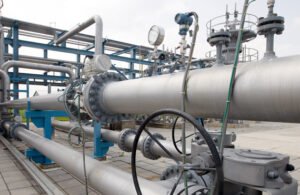
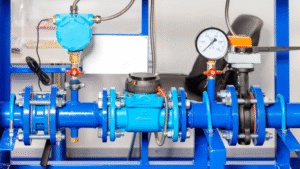
In today’s fast-paced world, industries are constantly evolving, seeking ways to improve efficiency and reduce manual labor. An area that has witnessed significant advancements is fluid management, particularly with the advent of automated water valves. These innovative devices are transforming how industries control water flow, offering precision and ease of use. Let’s dive into how these valves are revolutionizing fluid management systems.
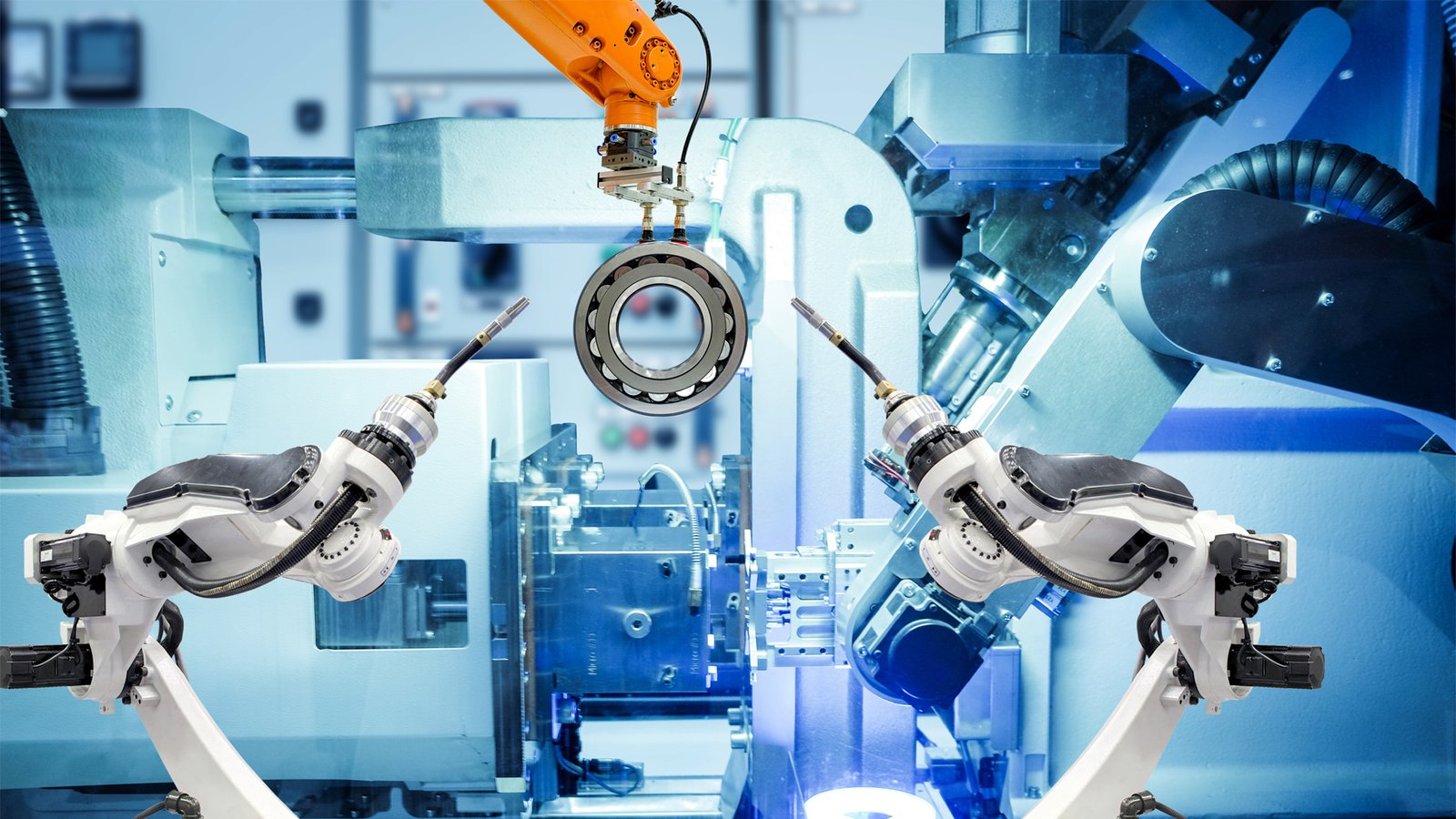
What is an Automated Water Valve?
An automated water valve is an electronically controlled valve used to manage fluid flow. Unlike traditional valves, these valves can be operated remotely, programmed for specific tasks, and integrated with smart systems. They bring a new level of precision and efficiency to fluid management across various industries.
The Need for Automated Water Valves
The industrial sector has long relied on water for multiple processes. With traditional manual valves, the need for physical presence and manual operation has often led to inefficiencies and inaccuracies. Automated water valves address these challenges by allowing for real-time monitoring and control, reducing human error, and enabling optimal resource utilization.
Benefits of Using Automated Water Valves
1. Efficiency and Control: Automated valves provide precise control over water flow, ensuring the right amount is used at the right time.
2. Cost-Effectiveness: They help in reducing water wastage and energy consumption, leading to significant cost savings.
3. Integration with Smart Systems: Many automated valves integrate seamlessly with app-controlled valves and other smart systems, offering advanced functionalities.
4. Adaptability in Various Environments: These valves can be used in diverse settings, from industrial plants to commercial buildings.
How Automated Water Valves Work
Automated water valves utilize electrical signals to open or close the valve. The control can be facilitated through various methods, including timers, sensors, and remote commands via apps or centralized systems. This makes them highly versatile and adaptable to different operational requirements.
Smart Valve Integration
Modern automated water valves often feature integration options for greater functionality. For instance, they can connect with voice assistant valve integration, allowing users to control water flow through voice commands. This adds an additional layer of convenience and accessibility, especially in smart facilities.
Applications in Industrial Settings
Industries like manufacturing, chemical processing, and water treatment extensively use automated water valves for their benefits. In manufacturing, precise water flow is crucial for cooling systems and machine operations. In chemical plants, controlling fluid transfer accurately ensures safety and efficiency.
Embedded Sensor Systems
An increasingly popular feature in automated valves is the incorporation of embedded sensor systems. These sensors provide real-time data on various parameters, enabling predictive maintenance and immediate response to anomalies.
Environmental Impact and Sustainability
Automated water valves contribute significantly to sustainability efforts. They allow industries to manage water resources more responsibly, minimizing waste and reducing their environmental footprint. By optimizing water usage, these valves play a vital role in conserving resources for future generations.
Role in Industry 4.0
As the world moves towards Industry 4.0, automated water valves are becoming indispensable. Their ability to integrate with IoT and offer data-driven insights makes them a perfect fit for smart, connected systems. Further insights into their role can be explored through this guide on smart valves in Industry 4.0.
Challenges and Future Prospects
Despite their numerous advantages, automated water valves face challenges such as high initial costs and the need for skilled personnel for installation and maintenance. However, with technological advancements, these challenges are being addressed, paving the way for broader adoption.
Conclusion
Automated water valves represent a significant leap forward in fluid management systems. With their ability to improve efficiency, reduce costs, and promote sustainable use of resources, their adoption is likely to grow across various industries. Whether for industrial engineers or facility managers, understanding and leveraging this technology will be crucial for future success.
FAQs
What industries benefit most from automated water valves?
Industries such as manufacturing, chemical processing, and water treatment benefit significantly from automated water valves due to their need for precise fluid control and resource management.
How do automated water valves integrate with current smart technologies?
These valves often feature integration with smart systems like app controls and voice commands, allowing seamless operation within smart facilities.
What are the environmental benefits of using automated water valves?
Automated water valves optimize water usage, reduce wastage, and minimize environmental impact, promoting sustainable resource management.
This article contains affiliate links. We may earn a commission at no extra cost to you.