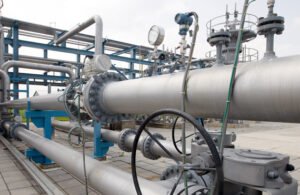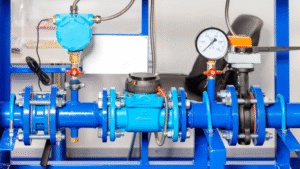

The advent of the AI irrigation valve has brought a transformational change to modern agriculture and water management. The role of these smart valves is crucial as they offer precise control over water distribution, ensuring efficient water usage and supporting the concept of precision agriculture.
By integrating intelligent valve systems with advanced AI algorithms, we’re witnessing a technological shift that optimizes agricultural output while conserving an invaluable resourcewater.
The Mechanics of AI Irrigation Valves
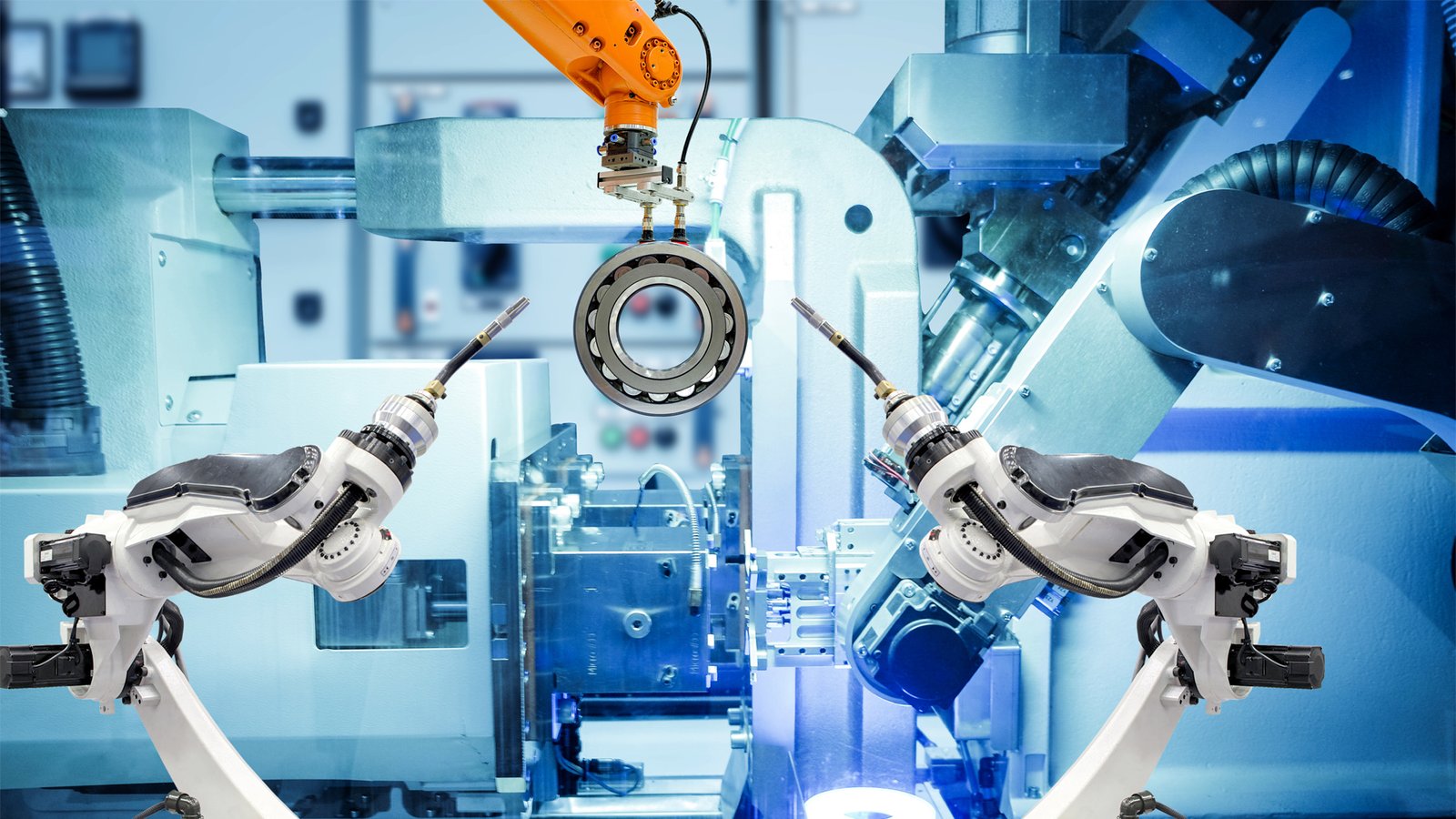
AI irrigation valves operate by interpreting a variety of sensors and data points to determine the precise amount of water each plant requires. These valves use inputs such as soil moisture levels, weather forecasts, and plant water needs to make highly specific decisions about water distribution.
Benefits of Using AI in Irrigation Systems
Water Conservation
Conserving water is one of the most pressing challenges in agriculture. With the capability of AI irrigation systems, farms can reduce water use significantly, targeting only the plants that need watering. This practice not only saves water but also lowers costs related to water consumption.
Enhanced Crop Growth
By delivering the right amount of water at the right time, AI irrigation valves contribute directly to improved crop yields. This precision ensures that crops are neither under-watered nor over-watered, both of which can have detrimental effects on growth.
Lesser Human Intervention
The automation brought by AI irrigation valves reduces the need for human vigilance, allowing farmers to focus on other critical tasks, knowing their irrigation system is functioning optimally and autonomously.
How AI Irrigation Valve Supports Sustainable Farming
Modern farming increasingly focuses on sustainability. The use of AI valves in irrigation is directly aligned with these goals as they reduce waste, enhance productivity, and help maintain ecological balance. Integrating smart valves represents a step towards achieving environmental sustainability in agriculture.
Implementation Challenges of AI Valves
Even as these systems show promise, challenges include the initial cost of installation and technical hurdles. Farmers may need reliable systems to monitor and maintain their equipment. However, the cost savings and increased yields often provide a return on investment over time.
Technological Adaptation
Farmers need to adapt to rapid technological changes, requiring an understanding of AI and its integration into existing systems. Training and support are essential to overcoming these hurdles and maximizing the effectiveness of AI irrigation valves.
Future Prospects of AI in Agriculture
The potential for AI in agriculture transcends beyond irrigation. Developments are on the horizon for smart pest control, automated harvesting, and predictive crop growth analytics that will further revolutionize how food is produced globally.
Conclusion
In summary, AI irrigation valves represent a significant stride in smart farming technology. By harnessing artificial intelligence, farmers can ensure water is used efficiently, costs are reduced, and yields are maximized. The progression of this technology will continue to enhance agricultural practices and support global sustainability initiatives.
FAQs
What is an AI irrigation valve?
An AI irrigation valve is a smart device that controls the distribution of water to crops using artificial intelligence, optimizing water usage based on data and environmental conditions.
How do AI irrigation valves conserve water?
These valves work by precisely targeting irrigation efforts, ensuring water is applied only where and when needed, thus minimizing waste.
Are AI irrigation valves cost-effective?
While the initial cost can be significant, the savings from reduced water usage and enhanced crop yields generally provide a good return on investment over time, making them cost-effective.
This article contains affiliate links. We may earn a commission at no extra cost to you.