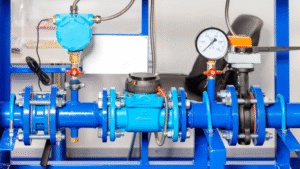
Valve with app integration is revolutionizing the way industries operate today. This powerful combination is not just a theory but a reality that is rapidly integrating into businesses around the globe. With smart technology, industrial operations are becoming more streamlined and efficient, leading the era of the Internet of Things (IoT) into new realms.
Understanding the seamless blend of advanced valve technology with app control can unravel new dimensions of operational control and precision in industries. Here, we delve deeper into this innovative technology and its pivotal role in shaping contemporary industrial practices.
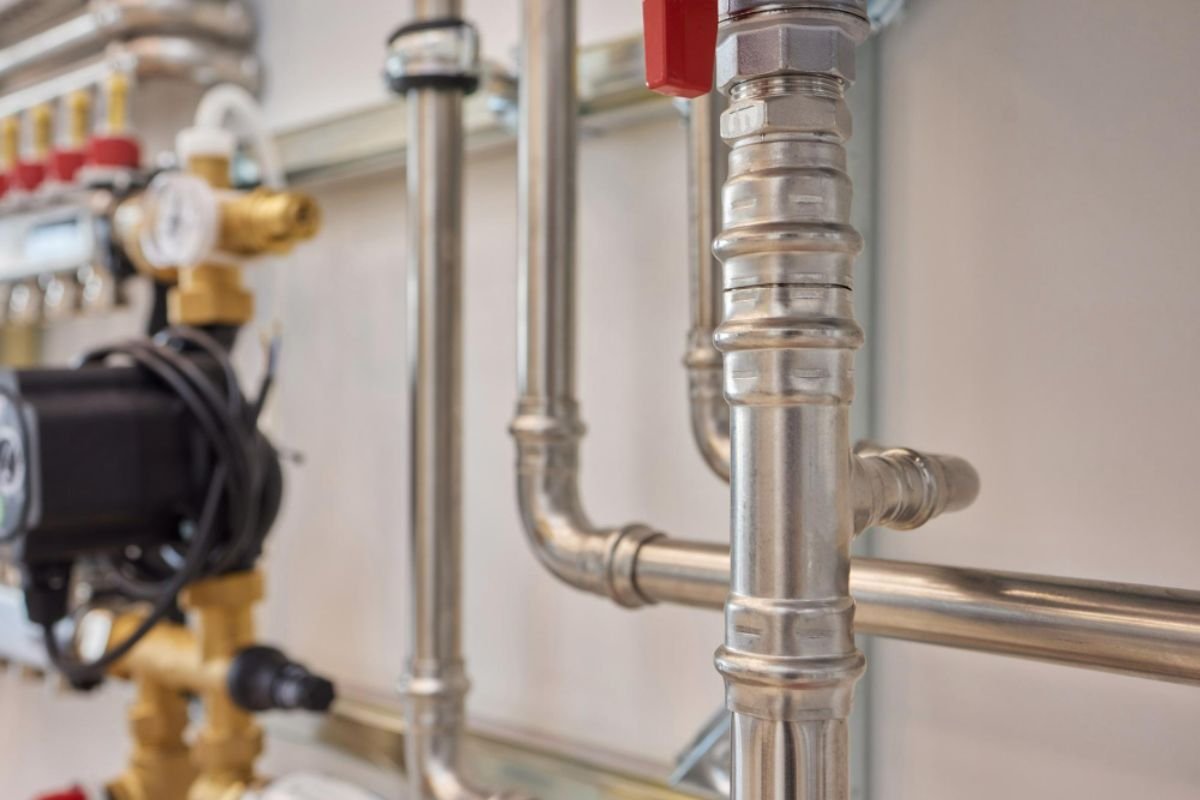
Understanding Valve Technology
By definition, a valve is a device that regulates the flow of fluids. Traditionally, valves have played crucial roles in controlling applications ranging from home kitchens to massive industrial setups. However, the advent of technology has significantly transformed how these devices function.
In todays digital era, the fusion of valves with technological applications provides unparalleled control over operations. This allows for a new level of precision and efficiency in fluid handling systems.
The Rise of App Integration in Valves
With advancements in IoT and smart applications, integrating valve systems with apps has opened new possibilities. Operators can now control and monitor these systems from afar, making the process highly adaptable and responsive.
Application Areas and Benefits
Industrial plants, manufacturing units, and even residential setups can benefit from app-based valve control. This technology not only enhances operational control but also optimizes energy consumption, reducing operating costs significantly.
Related Challenges
Despite its benefits, integrating valves with apps is not without challenges. Implementing these systems requires technical know-how and an understanding of digital infrastructure. However, industries are increasingly overcoming these barriers by relying on industrial automation experts and embracing the change towards digital solutions.
How Smart Valves Are Integrated
Valves integrated with apps come equipped with sensors and control devices that allow remote monitoring and operation. Through wireless connectivity, these smart valves communicate with apps installed on smart devices, providing real-time data and control options.
Components Involved
Components like Bluetooth technology, WiFi modules, and sophisticated sensors play critical roles in enabling app-driven functionalities in smart valves. This technology enhances real-time data sharing and facilitates remote operations.
Industries Benefiting from Valve with App Integration
The penetration of app-integrated valves is most evident in industries such as oil & gas, power generation, and water & sewage treatment. These industries rely heavily on precision control, making app-integrated valve solutions extremely beneficial.
Operational Efficiency
Integrating valves with apps enhances operational efficiency, facilitating better resource management and reducing the margin of error. For example, in the home plumbing industry, smart valve solutions significantly reduce the risk of leaks and piping disasters.
Key Features of App-Integrated Valves
Remote Control
The remote control feature allows industrial engineers to manage their systems from any location, improving response times and operational oversight.
Predictive Maintenance
This key feature predicts issues before they occur, helping reduce downtime and maintenance costs.
Data Collection and Analysis
Smart valves allow data collection directly to the operator’s device. This analytical capability enables better decision-making and future strategic planning.
Future of App-Integrated Valves
As technology continues to evolve, the scope of smart valves with app integration will only expand. The industry’s future sees an adaptation towards more autonomy, driving efficiency and innovation to greater heights.
Industry 4.0 and Beyond
The next industrial revolution, also known as Industry 4.0, leans heavily on digital integration. With smart valves at the core, industries can achieve new levels of automation and innovation. To learn more about the role of smart valves in Industry 4.0, read this insightful article.
A Sustainable Future
By minimizing waste and optimizing energy, app-integrated valves significantly contribute towards sustainable industrial practices. This holistic approach underlines the growing trend towards eco-friendly technologies.
Conclusion
The integration of valves with apps is a transformative force in industrial engineering. As industries navigate towards smarter practices, this technology underpins the importance of innovation and adaptability. Embracing these changes not only enhances operational efficiencies but also sets the stage for a technologically empowered future.

FAQ Section
What are the main benefits of valves with app integration?
Valves with app integration offer remote control capabilities, predictive maintenance, and data analysis, increasing operational efficiency and reducing operational costs.
Which industries benefit the most from this technology?
Industries such as oil & gas, power generation, and water treatment benefit significantly from the adoption of smart valves with app integration.
How does this technology contribute to sustainability?
This technology helps minimize waste and optimize energy use, contributing to sustainable industrial practices and reducing carbon footprints.
This article contains affiliate links. We may earn a commission at no extra cost to you.