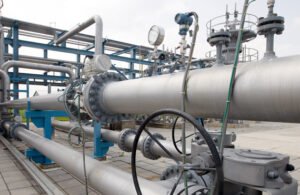
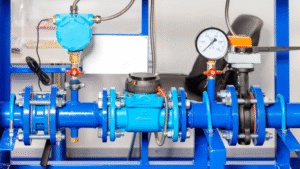
The inception of industrial-grade smart valves has heralded a new era in automation and industrial processes. Designed to control the flow of liquids, gases, and other substrates, these advanced devices are integral in ensuring precision and efficiency in industrial operations. By understanding the capabilities and applications of these smart valves, industries can harness their potential to revolutionize productivity.
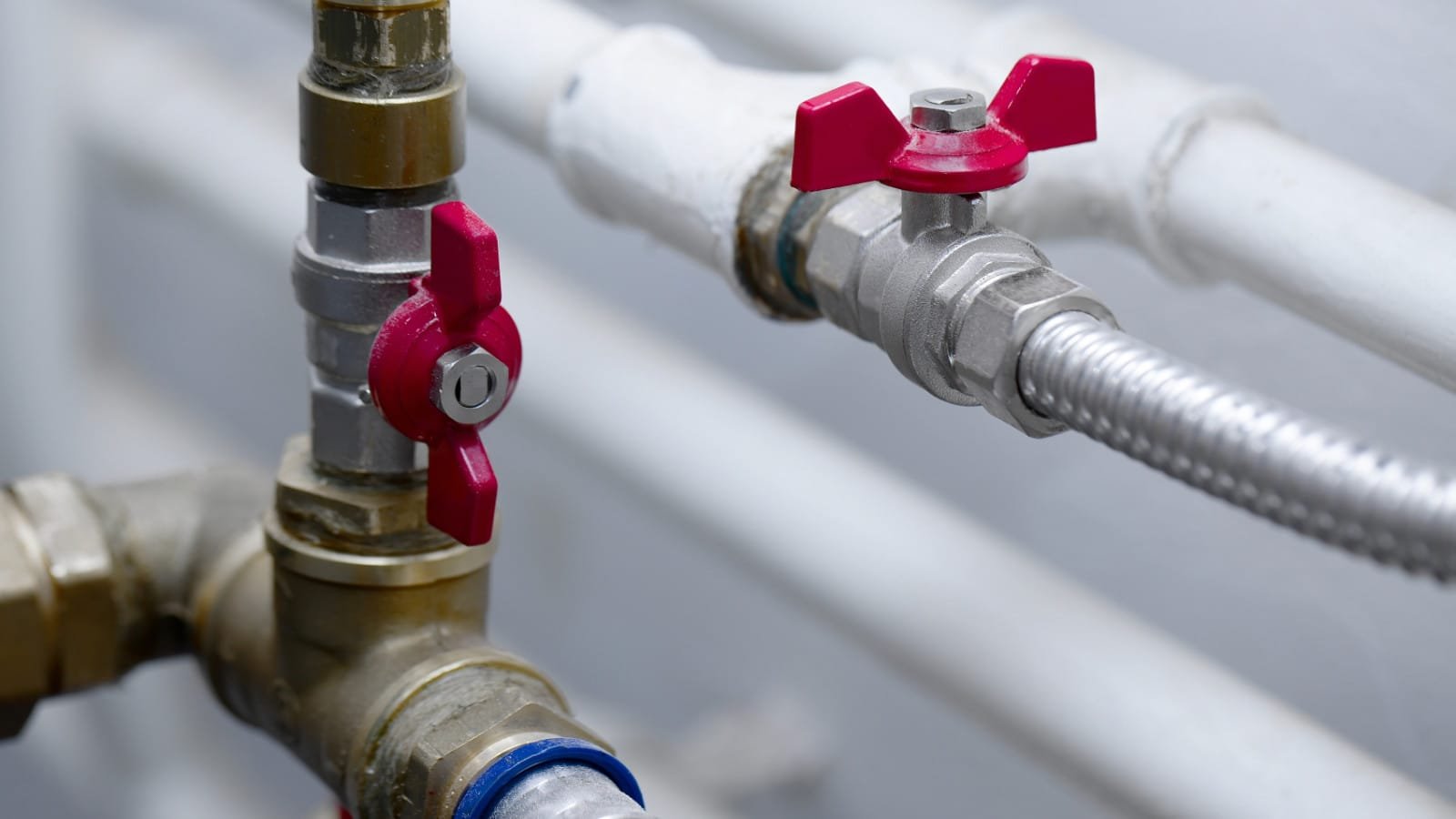
The Importance of Smart Technology in Valves
Smart technology in valves means added intelligence. Instead of just manually operated mechanisms, these valves come with sensors and actuators, which enable remote control and data-driven decision making. They contribute to enhanced production flows, minimize human error, and are an excellent addition for optimizing industrial processes.
Key Features of Industrial-Grade Smart Valves
The industrial-grade smart valve boasts several unique features:
- Remote monitoring capabilities
- Automated control systems
- Real-time data analytics
Enhancing Industrial Efficiency
These smart valves are crucial for enhancing efficiency by providing unparalleled accuracy in controlling flow rates. Their real-time control systems enable industries to respond swiftly and accurately to any changes or anomalies detected in the operational environment. Moreover, they are essential in avoiding costly downtimes that can arise due to manual errors or system failures.
Construction and Design
Constructed with robustness in mind, industrial-grade smart valves are designed to withstand substantial pressure and temperature variations. The design usually incorporates corrosion-resistant materials and advanced sealing technologies, ensuring durability even under harsh conditions.
Control Systems
The control systems embedded within these valves use algorithms to optimize operational efficiency. Coupled with integrated actuation mechanisms, this allows industries to automate several functions, thus reducing the need for manual intervention.
Applications Across Industries
From oil and gas to pharmaceuticals, industrial-grade smart valves have found applications in a multitude of industries. One significant advantage is their ability to adapt to varying operational needs, thanks to configurable parameters that can be adjusted to meet specific requirements.
Oil and Gas Industry
In the oil and gas sector, these valves ensure precise control over the extraction and transportation of resources. This precision is crucial for maximizing yield and minimizing environmental risks during the extraction process.
Manufacturing and Production
In manufacturing, these valves can be synchronized with production schedules, enabling seamless processes. They contribute significantly to lean manufacturing by reducing waste and optimizing resource usage.
Pharmaceuticals
In pharmaceutical productions, accuracy and consistency are vital. The utility of smart valves in maintaining sterile environments and correct ingredient mixtures is irreplaceable. They assure that all procedures adhere to stringent regulatory standards.
Integration into Smart Systems
Integration is as crucial as the technology itself. For businesses considering upgrading, aim for versatile systems capable of interfacing with existing platforms. Ensuring compatibility enhances the return on investment in these technologies.
Industrial IoT and Smart Valves
The rise of the Industrial Internet of Things (IIoT) sees smart valves as pivotal components within the network. They collect and transmit valuable data, enabling businesses to make data-driven decisions and improve operational efficiencies.
Challenges in Implementation
Although promising, incorporating these technologically advanced valves may present challenges. These include the initial transition investment, the need for skilled personnel for installation and maintenance, and ensuring that cybersecurity measures are in place to protect critical processes.
Overcoming Challenges
However, most challenges can be overcome with detailed planning and strategic implementation. Investing in staff training and involving experienced professionals during the upgrade will ensure a smooth implementation process.
The Future of Industrial-Grade Smart Valves
The future is undeniably bright for industrial-grade smart valves. As technology evolves, we can expect further innovations that will continue to improve efficiency, safety, and reliability in industries worldwide.
Environmental and Economic Impact
On an environmental note, the precise control and monitoring these smart valves provide reduce waste and resource overuse, promoting sustainable industrial practices. Economically, they promise extended equipment lifespan and reduced operational costs, accentuating their importance in industrial settings.
Conclusion
The significance of industrial-grade smart valves in modern-day applications cannot be overstated. From enhancing efficiencies to paving the way for smart industrial ecosystems, their role is pivotal in shaping future industrial landscapes. For more detailed information on how you can incorporate these advanced solutions, see read more at EuroIndustriel.
Frequently Asked Questions
What are the main advantages of using an industrial-grade smart valve?
The main advantages include precision in flow control, remote monitoring and control, enhancing efficiency, reducing human error, and ensuring regulatory compliance.
How do smart valves integrate with existing systems?
Smart valves are designed to be compatible with existing industrial systems and often come with flexible interfacing options to enable seamless integration.
What industries benefit the most from using smart valves?
Industries such as oil and gas, manufacturing, and pharmaceuticals benefit greatly, given their need for precision and efficiency.
To explore detailed articles, visit smart valve revolution, study up on pipe maintenance, or discover top valve brands.
This article contains affiliate links. We may earn a commission at no extra cost to you.