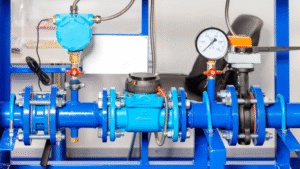
The world of industrial engineering is ever-evolving, and at the forefront of this change is the smart butterfly valve. These innovative devices are transforming how fluids are controlled and regulated in numerous applications. By combining advanced technologies with traditional valve mechanics, the smart butterfly valve is setting a new standard in efficiency and reliability.
The primary goal of this article is to explore how the smart butterfly valve is changing the landscape of fluid management. This type of valve not only offers improved performance but also incorporates smart technology to provide valuable data insights and enhance operational decision-making processes.

The Evolution of Butterfly Valves
Butterfly valves have been a cornerstone of fluid control systems, known for their simple design and effectiveness. However, as industries have progressed, so has the need for smarter solutions that can provide feedback and integrate with digital infrastructure. More insights on smart valves.
What Makes a Valve ‘Smart’?
Smart technology is revolutionizing various fields, and fluid control is no exception. A smart butterfly valve typically includes sensors and software that allow it to communicate its status and performance data to a centralized system. This ability helps in predictive maintenance and process optimization.
Key Features of Smart Butterfly Valves
The smart butterfly valve integrates technology with traditional mechanics. Here are some of its key features:
Automatic Data Collection
Sensors embedded in these valves collect data, providing insights into flow rate, pressure, and temperature. This data is crucial for optimizing system performance and early detection of potential issues.
Remote Operation
A defining feature of a smart butterfly valve is its capability for remote operation. Users can control the valves from a distance, which is critical in hazardous environments or hard-to-reach areas.
Self-Diagnostics and Alerts
Equipped with self-diagnostics, these valves can assess their condition and alert operators if maintenance is required, thus preventing unexpected failures.
Applications of Smart Butterfly Valves
The versatility of the smart butterfly valve makes it suitable for various industries:
Water Treatment Facilities
In water treatment plants, these valves help in adjusting and maintaining optimal water flow, ensuring processes run smoothly and efficiently. Importance of maintenance.
Oil and Gas Industry
Given the critical nature of fluid management in this sector, smart butterfly valves enhance operational efficiency and safety through their precise control and monitoring capabilities.
HVAC Systems
These valves help regulate air flow in heating, ventilation, and air conditioning systems, contributing to energy efficiency and comfort.
Benefits of Implementing Smart Butterfly Valves
Why should industries invest in these advanced valves? Lets explore some of the benefits:
Enhanced Efficiency
By utilizing real-time data, companies can optimize operations, leading to increased efficiency and reduced operational costs.
Improved Safety
Smart butterfly valves reduce the risk of accidents by providing constant monitoring and alerts, ensuring that any deviations from standard operations are swiftly addressed.
Long-term Cost Savings
Although the initial investment might be higher, the cost savings from reduced downtime and maintenance make these valves economically viable in the long run.
Challenges in Integrating Smart Butterfly Valves
Despite their many benefits, there are challenges to consider when integrating smart valves into existing systems.
Cost of Implementation
The initial cost for upgrading to smart systems can be significant, posing a challenge for smaller organizations with limited budgets.
Technical Expertise Required
Operating these advanced systems requires skilled professionals who understand both the technology and the underlying mechanical systems.
The Future of Smart Fluids Control
The integration of smart technology in fluid control is expected to grow, with future innovations bringing more features and improved functionalities.
Increased Interconnectivity
As part of the broader move towards Industry 4.0, these valves will likely become more interconnected, offering even greater data insights and control capabilities.
Artificial Intelligence Integration
The use of AI could further enhance the capabilities of smart butterfly valves, potentially leading to fully autonomous systems that self-regulate and adapt to changes without human intervention.
The Impact on Industrial Engineers
For industrial engineers, the shift towards smart valve technology means a new set of opportunities and challenges. Engineers will have to adapt to new technologies and innovate further to meet industry demands. Explore top brands.
Adapting Skill Sets
To keep pace with technological advancements, engineers need to expand their skills to include knowledge of smart technology and its applications in industrial settings.
New Possibilities for Innovation
With more data available than ever before, engineers have opportunities to innovate and improve processes in ways previously not possible.
Supporting Sustainable Development
The move towards smart butterfly valves is not only a technological advancement but also a step towards more sustainable industrial practices.
Reducing Environmental Impact
By optimizing processes and reducing waste, these valves help industries lessen their environmental footprint.
Conserving Resources
With precise control and monitoring, industries can ensure the judicious use of resources, aligning with global sustainability goals. Learn about water conservation.
Conclusion
As we look towards the future of industrial operations, the role of smart butterfly valves is set to be increasingly pivotal. Their integration not only signifies technological progress but also represents a commitment to efficiency, safety, and sustainability.
FAQ
What is a smart butterfly valve?
A smart butterfly valve integrates traditional valve mechanics with advanced technology to offer automated control, monitoring, and data collection.
What industries benefit most from smart butterfly valves?
Industries such as water treatment, oil and gas, and HVAC systems particularly benefit from the enhanced capabilities of these valves.
What are the challenges in adopting smart butterfly valves?
Some challenges include the initial investment cost, the need for technical expertise, and integrating with existing systems.
This article contains affiliate links. We may earn a commission at no extra cost to you.