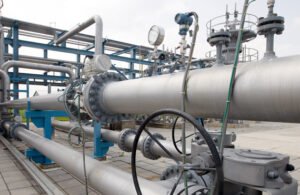
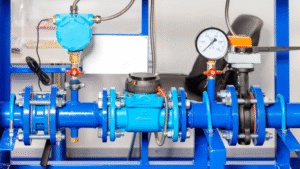
In today’s rapidly evolving industrial landscape, the term smart actuator valve is generating buzz for good reasons. These innovative devices are paving the way for smarter, more efficient industrial operations, providing enhanced control and automation capabilities. Designed to offer precise regulation of fluid flow, these valves are integral to achieving operational efficiency and reliability.
From petrochemical facilities to power plants, the deployment of these advanced valves is reshaping traditional industrial practices, signaling a major shift towards smarter, more integrated systems. As we delve into the world of smart actuator valves, it becomes clear that their significance extends beyond mere functionalitythey are at the forefront of a technological revolution.

The Evolution of Actuator Valves
Industrial engineers have witnessed the transformation of actuator valves over the decades. Originally, these devices were simple mechanisms requiring manual operation. Today, they have evolved into sophisticated, automated components integral to modern industrial systems.
From Manual to Automated
The journey from manual valves to automated smart actuator valves has been marked by significant technological advancements. Initially, human intervention was necessary for valve operation, which posed efficiency and safety challenges. With the advent of automation, these valves are now operated remotely, allowing for seamless integration into complex systems.
The increased use of sensors and feedback mechanisms in smart actuator valves ensures real-time monitoring and control. This transformation is crucial for industries where precision and reliability are paramount, such as chemical processing and water treatment.
Integration with Industry 4.0
The integration of smart actuator valves with Industry 4.0 technologies marks a new era in industrial automation. By leveraging the Internet of Things (IoT), artificial intelligence, and data analytics, these valves contribute to smarter, more connected operations.
In a typical Industry 4.0 setup, smart actuator valves communicate with other intelligent devices within a network, optimizing processes and identifying potential issues before they escalate. This level of integration is critical for achieving operational excellence and enhancing the overall efficiency of industrial systems.
Key Benefits of Smart Actuator Valves
The adoption of smart actuator valves comes with numerous benefits that extend across various industrial domains. These benefits are driving the enthusiasm and interest of industrial engineers globally.
Enhanced Precision and Accuracy
One of the most celebrated advantages of smart actuator valves is their ability to deliver unmatched precision and accuracy in fluid control. This feature is particularly beneficial in industries where exact flow rates are crucial to maintaining product quality and operational efficiency.
With built-in sensors and real-time data processing capabilities, these valves adjust fluid flows instantaneously, minimizing waste and optimizing resource utilization.
Improved Safety and Reliability
Safety and reliability are paramount concerns in industrial operations, and smart actuator valves enhance both. By enabling automated and remote operation, these valves reduce the risk of human error, which often leads to accidents or equipment failures.
Furthermore, with advanced diagnostic features, these valves can predict and prevent potential malfunctions, thereby ensuring uninterrupted operations.
Cost Savings and Efficiency
The implementation of smart actuator valves contributes to significant cost savings and increased operational efficiency. By optimizing resource usage and minimizing downtime, industries can achieve better financial performance and sustainability.
Additionally, these valves reduce maintenance costs through predictive maintenance capabilities, as they identify wear and tear before it leads to costly breakdowns.
Applications Across Industries
The versatile nature of smart actuator valves enables their application across a wide range of industries, each benefiting from their unique features and advantages.
Chemical and Petrochemical Industries
In chemical and petrochemical industries, precise flow control is essential for ensuring product quality and safety. Smart actuator valves provide the accuracy needed to meet stringent specifications while maintaining safe operating conditions.
These valves are integral to processes such as mixing, distillation, and chemical reactions where precise measurement and adherence to protocols are critical.
Water and Wastewater Management
The water and wastewater industry relies heavily on the functionality of smart actuator valves to ensure efficient fluid distribution and treatment processes. Accurate control of flow rates and pressures is vital for maintaining environmental compliance and operational efficiency.
From municipal water supply systems to industrial effluent treatment plants, these valves enhance reliability and safety in operations.
Power Generation
In the power generation sector, smart actuator valves contribute to optimizing steam and water flows within turbines and boilers, ensuring consistent energy output and system stability.
Their responsiveness and precision allow power plants to adapt quickly to demand changes, improving overall system efficiency and reliability.
Challenges in Implementing Smart Actuator Valves
Despite their numerous benefits, the implementation of smart actuator valves is not without challenges. Industrial engineers must navigate several potential obstacles to successfully integrate these systems.
Cost and Investment
The initial investment in smart actuator valves can be substantial, particularly for small to medium-sized enterprises. However, the long-term cost savings and efficiency gains often justify the expenditure.
Organizations must weigh the advantages against the initial costs to make informed investment decisions.
Compatibility and Integration
Ensuring compatibility with existing systems is another challenge when adopting smart actuator valves. Industrial engineers must assess the compatibility of these valves with current infrastructure to avoid integration issues.
Achieving seamless interoperability between legacy systems and modern technologies is essential for maximizing the benefits of these advanced valves.
Training and Skill Development
The introduction of new technology requires personnel to acquire new skills and knowledge. Organizations must invest in training programs to equip their workforce with the expertise needed to operate and maintain smart actuator valves effectively.
Well-trained staff are crucial for ensuring the successful deployment and ongoing operation of these systems.
The Future of Smart Actuator Valves
The future of smart actuator valves looks promising as industries continue to embrace digital transformation. Emerging technologies and innovations are likely to enhance the capabilities of these valves, further driving their adoption.
Enhanced Connectivity and Integration
As IoT technology and connectivity improve, smart actuator valves will become even more integral to industrial systems. Enhanced communication between devices will enable more efficient and streamlined operations.
Industries will benefit from increased data-driven insights, allowing them to make informed and strategic decisions to optimize performance.
AI and Machine Learning Integration
The integration of artificial intelligence (AI) and machine learning into smart actuator valves will unlock new possibilities for predictive maintenance and operational optimization.
With these technologies, valves will become self-optimizing, adapting to changing conditions and predicting potential failures before they occur.
Driving Sustainability Initiatives
As industries strive to achieve sustainability goals, smart actuator valves play a pivotal role in reducing energy consumption and waste.
By optimizing resource usage, minimizing emissions, and supporting efficient processes, these valves contribute to creating more sustainable and eco-friendly industrial operations.
For more insights into the impact of smart valves on sustainability, explore more at this external resource.
Final Thoughts
Smart actuator valves are the epitome of modern industrial innovation, offering a combination of efficiency, precision, and reliability that traditional valve systems cannot match. As industries adapt to the demands of the digital age, these valves will continue to play a pivotal role in driving efficiency and performance improvements.
Organizations that embrace smart actuator valves today position themselves at the forefront of industrial innovation, ready to reap the benefits of enhanced automation and connectivity.
For more on innovative valve technology, visit Valvex’s guide on top smart valve brands.
Frequently Asked Questions
What is a smart actuator valve?
A smart actuator valve is an advanced valve equipped with automation capabilities, allowing for precise regulation of fluid flow in industrial systems.
How do smart actuator valves improve efficiency?
These valves enhance efficiency by optimizing resource usage, reducing downtime, and enabling real-time monitoring and control through advanced technologies like IoT and AI.
Are there any challenges to implementing smart actuator valves?
Challenges include high initial costs, integration with existing systems, and the need for workforce training to accommodate new technologies.
This article contains affiliate links. We may earn a commission at no extra cost to you.