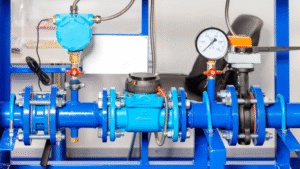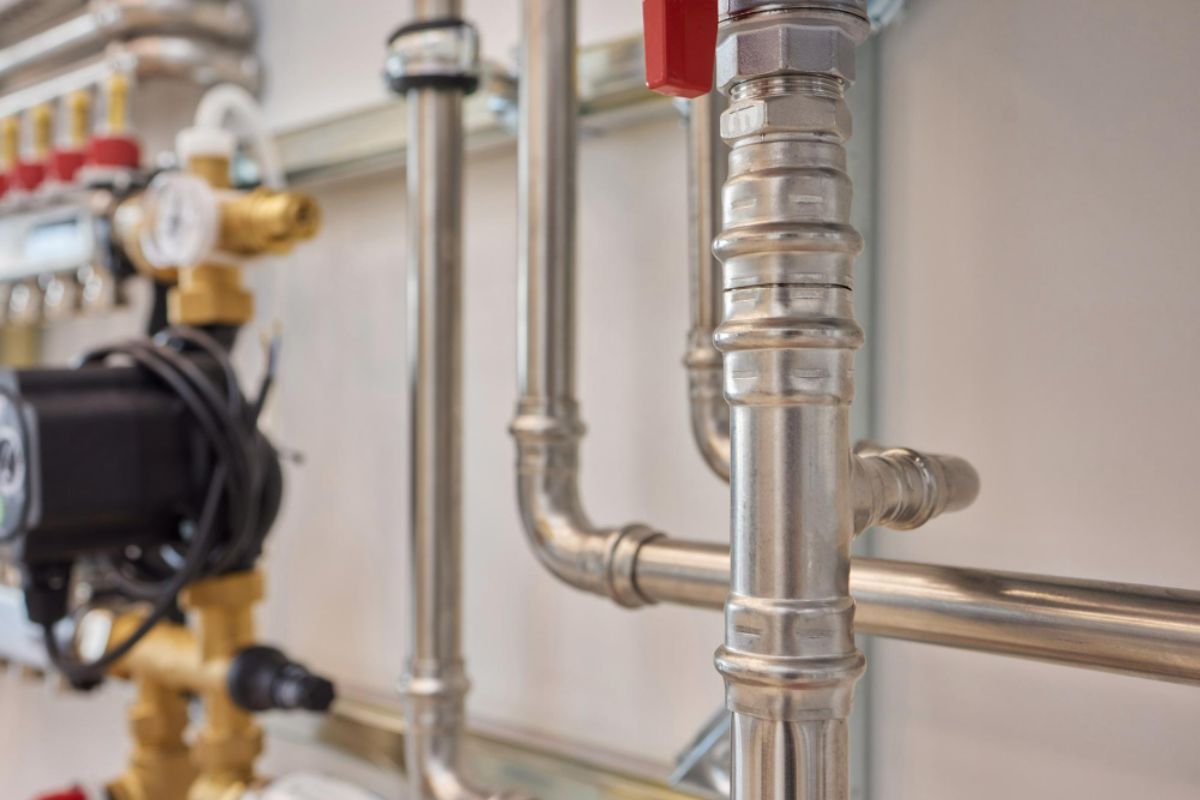

As technology continues to advance, industries are constantly searching for innovative solutions to improve efficiency and productivity. One such groundbreaking innovation is the programmable smart valve, which is revolutionizing how we manage fluid flow and control systems. These valves are designed to enhance precision and reliability, offering numerous benefits to various sectors, from manufacturing to residential applications. Understanding the potential and implementation of programmable smart valves is crucial for industrial engineers and businesses looking to stay ahead in the competitive market.

What is a Programmable Smart Valve?
A programmable smart valve is a highly intelligent device that integrates advanced technology to control and regulate the flow of various fluids and gases. Unlike traditional valves, these smart valves can be programmed to operate based on specific parameters, making them highly adaptable and efficient. By using a combination of sensors, actuators, and communication technologies, smart valves can monitor and adjust processes in real-time, ensuring optimal performance and reducing the risk of human error.
Benefits of Implementing Smart Valves
The integration of programmable smart valves in industrial settings offers numerous advantages:
1. Enhanced Efficiency and Accuracy
Smart valves provide precise control over fluid flow, minimizing waste and optimizing resource utilization. This enhanced efficiency and accuracy can lead to significant cost savings in the long run.
2. Real-time Monitoring and Control
With built-in sensors and communication capabilities, programmable smart valves allow for real-time monitoring of system performance. This enables prompt responses to potential issues, reducing downtime and avoiding costly disruptions.
3. Integration with IoT and Industry 4.0
Smart valves play a critical role in Industry 4.0 by seamlessly integrating with the Internet of Things (IoT) ecosystems. This allows for remote control and automation, further enhancing operational efficiency and scalability.
Applications of Programmable Smart Valves
The versatility of smart valves extends to a wide range of applications:
1. Manufacturing and Industrial Processes
Industrial sectors benefit greatly from the incorporation of smart valves in their processes. By enabling precise control of fluid flow, these valves enhance product quality and reduce energy consumption.
2. Residential and Commercial Plumbing
In residential settings, smart valves provide a means of preventing plumbing disasters, such as leaks and bursts. They can detect irregularities and automatically shut off the supply in case of an emergency.
3. Water and Wastewater Management
Smart valves ensure efficient distribution and recycling of water resources, playing a pivotal role in sustainable water management practices.
Challenges in Implementing Smart Valve Technology
While the benefits are significant, there are challenges to consider:
1. Initial Costs and Investment
The initial investment in smart valve technology can be substantial. However, the long-term benefits often justify the cost, with improved efficiency and reduced maintenance expenses.
2. Integration with Existing Systems
Compatibility with existing infrastructure can pose challenges, necessitating careful planning and execution during the implementation phase.
Future Trends in Programmable Smart Valves
As technology evolves, we can anticipate further advancements in smart valve capabilities, including:
1. Enhanced Connectivity and Automation
Future smart valves will likely feature increased connectivity and automation, allowing for seamless integration into broader industrial systems.
2. Greater Focus on Sustainability
With growing emphasis on environmental sustainability, smart valves will continue to play a crucial role in enhancing resource efficiency and reducing ecological impact.
Conclusion
The programmable smart valve represents a significant leap forward in fluid control technology. By offering enhanced precision, efficiency, and real-time monitoring, these devices are transforming industries and paving the way for a more sustainable future. Industrial engineers and businesses that embrace smart valve technology are poised to reap substantial benefits, positioning themselves at the forefront of innovation.

FAQ Section
1. How do smart valves contribute to energy efficiency?
Smart valves optimize fluid flow and reduce waste, leading to lower energy consumption and increased cost savings.
2. Are programmable smart valves suitable for all industries?
Yes, they offer versatile applications across various sectors, including manufacturing, water management, and residential plumbing.
3. What are the key considerations before implementing smart valves?
Key considerations include initial investment, system compatibility, and identifying specific operational needs and goals.
This article contains affiliate links. We may earn a commission at no extra cost to you.