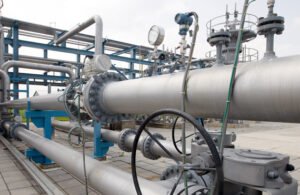
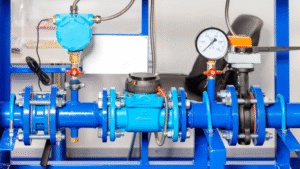
In today’s rapidly evolving world, technology continues to intertwine with our daily lives, seeking to make them more efficient. One such area that is undergoing notable transformation is connected plumbing monitoring. This system is not only changing how industries interact with their water infrastructure but also enhancing the *efficiency* and reliability of plumbing systems across various sectors.
By integrating IoT and technology with traditional plumbing, connected plumbing monitoring offers a sustainable solution to precisely manage water usage. For Industrial Engineers, this advancement means better resource management and reduced operational costs. Let’s journey through the potentials of this innovative approach.
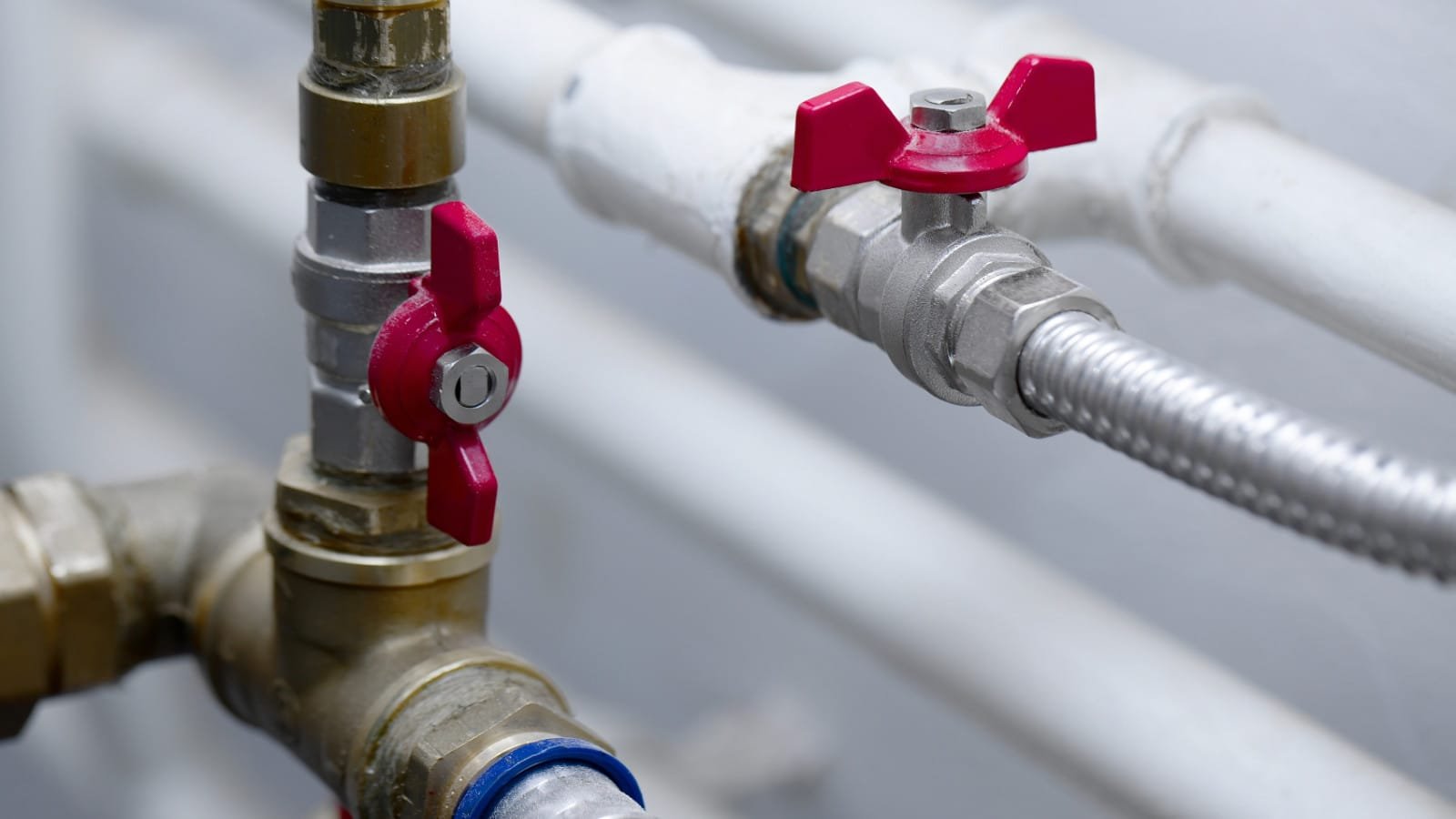
What Is Connected Plumbing Monitoring?
Connected plumbing monitoring refers to the use of digital technologies and sensors to gather data and provide real-time monitoring of plumbing systems. By employing WiFi or IoT sensors, these systems can send alerts on water usage, leak detection, or any issues in the plumbing network, thereby allowing firms to adjust their strategic resource allocation efficiently.
Benefits of Connected Plumbing Systems
Enhanced Leak Detection
Leakages are a massive burden for any establishment. The introduction of connected plumbing monitoring has brought about effective leak detection methods that notify building managers about leaks instantly. This not only mitigates potential damage but also conserves water.
Energy and Cost Efficiency
Besides minimizing water wastage, these systems can lead to significant cost savings. With an accurate and real-time overview of water consumption, industries can better manage their usage, making their operations more economical. Check out how smart valves revolutionize plumbing to further understand these efficiencies.
Predictive Maintenance and Resource Management
Knowing when a system part is likely to fail can save considerable time and resources. Connected systems enable predictive maintenance by continuously monitoring the health and performance of the plumbing infrastructure, ensuring timely intervention. Learn more by exploring the benefits of regular pipe maintenance.
Applications in Industrial Settings
Industries, from manufacturing to large commercial facilities, can leverage connected plumbing systems to enhance their operational capabilities. By capturing critical data such as water flow rates and pressure, industries can adjust their strategies for improved efficiency. To further explore industry applications, visit an external source at industry settings.
Addressing Common Plumbing Challenges
Water Shortages
Connected plumbing monitoring provides valuable insights and helps manage and optimize water usage, serving as a vital tool in combating water scarcity issues.
Pipe Leaks
Leakages, if left unattended, can lead to severe losses and disruptions. Systems like those detailed on troubles from leaking pipes ensure such challenges are pre-emptively managed.
Implementing Smart Plumbing Solutions
As industries aim to become more sustainable, employing smart plumbing solutions is no longer optional but a necessity. A thorough understanding of the available technologies will allow engineers and field specialists to choose the most effective solutions.
Advanced Sensors
To enhance monitoring capabilities, systems utilize advanced sensors that precisely capture different data metrics such as flow, temperature, and pressure in real-time.
Integrating AI in Plumbing Monitoring
Artificial Intelligence plays an essential role in revolutionizing plumbing monitoring by processing vast data to identify patterns and predict potential malfunctions before they occur, ensuring seamless operation.
Data Analytics
AI-driven data analytics offers valuable insights, facilitating informed decisions regarding resource management and maintenance planning.
The Future of Plumbing Monitoring: Smart Valves and Beyond
One key technological advancement aiding this transformation is the smart valve. By allowing for remote control and automated responses, it represents a new era of efficiency and safety. Check the top smart valve brands leading these innovations.
Conclusion: Embracing the Change
In conclusion, the future of plumbing is undeniably connected. As these systems continue to evolve, they promise higher sustainability, reduced costs, and improved operational efficiency across various industrial sectors.
FAQs
What is connected plumbing monitoring?
Connected plumbing monitoring refers to the integration of smart technology to track, manage, and optimize plumbing systems effectively.
Why is connected plumbing important?
It is essential as it provides greater visibility into water usage, helps mitigate leaks, and ensures systems operate at maximum efficiency.
Can connected plumbing systems be installed in existing buildings?
Yes, many systems can be retrofitted into existing infrastructures with minimal disruption, enhancing their operational effectiveness.
This article contains affiliate links. We may earn a commission at no extra cost to you.