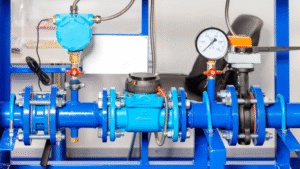
In the evolving landscape of industrial technology, the term pressure sensor smart valve has become increasingly prominent. These sophisticated devices are revolutionizing the way industries operate, bringing efficiency and precision to various processes. For industrial engineers and other stakeholders, understanding the intricacies of these smart valves and their applications is crucial.

The Basics of Pressure Sensor Smart Valves
Pressure sensor smart valves refer to valves integrated with intelligent pressure sensors that allow for dynamic control of fluid flow. This integration not only facilitates precise control but also enhances safety and efficiency. They’re designed to meet the demands of industries seeking innovative ways to enhance productivity.
Types of Pressure Sensor Smart Valves
Electric Smart Valves
Electric smart valves use electricity to open or close the valve, controlled by signals from the pressure sensor. They are known for their fast response times and reliability.
Pneumatic Smart Valves
Pneumatic smart valves use air pressure to control valve operation. Ideal for environments where electrical sparks might be hazardous, they provide safety and precision in such settings.
Industry Applications of Pressure Sensor Smart Valves
Oil and Gas
In the oil and gas industry, smart valves are crucial for maintaining pressure levels accurately, preventing overpressure situations that could lead to disasters.
Water Treatment
Smart valves ensure efficient water flow in treatment plants, optimizing resource use and reducing waste.
Automotive Industry
Theyre utilized in engine systems for efficient fuel management, directly impacting vehicle performance and emissions.
Advantages of Pressure Sensor Smart Valves
- Precision and Control: Smart valves offer unparalleled precision in flow and pressure control.
- Safety: By preventing leaks and managing pressure, they reduce the risk of industrial accidents.
- Efficiency: Enhances overall process efficiency by minimizing waste and optimizing flow.
Challenges and Considerations
While smart valves offer numerous benefits, they come with their own set of challenges. Initial setup costs and the need for regular maintenance can be considerations for businesses. Furthermore, integration into existing systems may require specialized expertise.
Future of Pressure Sensor Smart Valves
The future of pressure sensor smart valves is promising, with advancements in IoT and AI paving the way for valves that self-diagnose and optimize processes autonomously. As industries shift towards more automated and data-driven operations, smart valves will be at the forefront of this transformation.
Buying Guide for Industrial Engineers
Understand Your Needs
Assess your specific industrial requirements and the type of media your system handles.
Explore Options
Research various vendors and technologies available to find the best fit for your applications. The article Top Smart Valve Brands offers insights into reliable options available in the market.
Installation Tips
When installing smart valves, ensure compatibility with existing systems to prevent costly errors.
Maintenance and Upkeep
Routine maintenance, such as sensor recalibration and checking connections, ensures longevity and reliable performance.
Integration with Industry 4.0
Pressure sensor smart valves play a critical role in Industry 4.0, facilitating smarter and more connected manufacturing environments.
Environmental Impact
Smart valves contribute to sustainability by minimizing energy use and reducing emissions, advocating for corporate environmental responsibility.
Cost-Benefit Analysis
Investing in smart valves can initially seem expensive, but the long-term savings in efficiency and safety often justify the cost.
Training for Engineers
Comprehensive training programs on the operation and benefits of pressure sensor smart valves are recommended for maximum impact.
Conclusion
The integration of pressure sensor smart valves into industrial applications represents a leap forward in technology that drives precision, safety, and efficiency. As industrial engineers, harnessing this technology can lead to significant improvements in operational processes.

FAQs
- What industries benefit most from pressure sensor smart valves? Smart valves are particularly beneficial in industries like oil and gas, water treatment, and automotive, where precision and safety are critical.
- How do pressure sensor smart valves contribute to safety? They automatically adjust pressure and flow, preventing overpressure scenarios and leaks, enhancing operational safety.
- Are smart valves cost-effective? Despite higher initial costs, smart valves offer long-term savings through improved efficiency and reduced maintenance needs.
This article contains affiliate links. We may earn a commission at no extra cost to you.