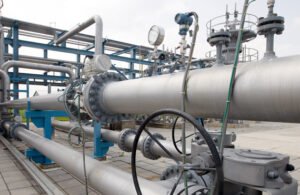
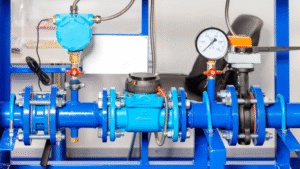
Monitoring water usage valves is becoming increasingly crucial in today’s world where the efficient use of resources is imperative. The importance of conserving water and managing it effectively cannot be overstated. By implementing strategic monitoring of water usage valves, industrial engineers can greatly enhance water efficiency, detect leaks, and ultimately contribute to more sustainable water management practices.
Each year, millions of gallons of water are wasted due to leaks and inefficient water management. As industrial engineers, it’s vital to comprehend how monitoring water usage valves can help mitigate these issues. By employing advanced technologies, such as smart valves, industries can monitor water flow precisely, detect leaks at their onset, and ensure that water usage is as efficient as possible.
Technological Advancements in Valve Monitoring
The advent of artificial intelligence and IoT technologies has revolutionized how we manage water. These smart technologies enable real-time monitoring and data analytics, providing insights into water usage patterns. This is essential not only for conservation efforts but also for enhancing operational efficiency.
Integration of Smart Systems
Modern valve monitoring systems can be integrated with existing water management systems to provide a comprehensive overview of water usage. This integration is key to identifying patterns, forecasting demand, and maintaining effective water usage within industrial settings. To explore the installation processes, check pipe maintenance strategies.
Benefits of Monitoring Water Usage Valves
There are numerous benefits to monitoring water valves. These include early leak detection, optimized water usage, reduced environmental impact, and cost savings. By monitoring water usage actively, industries can avoid costly repairs and damages related to leaks as highlighted in this article about troubles from leaks.
Conserving Water Through Efficient Monitoring
With the proper monitoring of water usage valves, conservation becomes an achievable goal. It allows for the efficient allocation of water resources, thereby reducing waste and promoting sustainability within various industries.
Key Technologies in Water Valve Monitoring
Understanding the technologies involved is crucial for industrial engineers. Key technologies include smart sensors, cloud-based analytics, and machine learning algorithms. These technologies work together to provide a seamless experience in water management.
Smart Sensors
Smart sensors are pivotal in the monitoring process, allowing for accurate data gathering and analysis. These sensors are capable of detecting minute changes in water flow, which can be indicative of leaks or other issues.
Cloud-Based Analytics
Cloud computing allows for real-time data processing and storage, making it easier to access and analyze water usage data. This provides engineers with the information needed to make informed decisions about water management.
Challenges in Implementing Valve Monitoring Systems
While the benefits are clear, there are challenges in implementing effective valve monitoring systems. These include high initial costs, integration with existing systems, and the need for skilled personnel to manage these systems.
Cost and Integration
One of the primary challenges is the cost associated with the initial installation of these advanced systems. Moreover, integrating these with existing infrastructure may pose challenges that require careful planning and execution.
Skill Gaps
Another challenge is the skill gap in operating and maintaining these advanced monitoring systems. Training and development of personnel are crucial to overcome this hurdle and ensure the optimal operation of water monitoring systems.
Future of Water Valve Monitoring
The future of water valve monitoring looks promising with continuing advancements in technology. The innovation in this field is set to elevate water management practices, making them more efficient and sustainable. For knowing about top market players in smart valve industry, check this outperforming brands.
Sustainability and Innovation
The ongoing innovations in water valve monitoring are directed toward sustainability. With environmental concerns rising, industries are moving towards greener and more efficient solutions.
Technological Evolution
As technologies continue to evolve, water valve monitoring systems will become more sophisticated, making them indispensable tools for industrial water management.
Integration with Emerging Technologies
The integration of blockchain and data science into water management systems presents an exciting frontier for future development. These technologies promise to enhance transparency, efficiency, and accuracy in water usage monitoring.
Conclusion
The effective monitoring of water usage valves is pivotal in achieving water efficiency and sustainability in industrial settings. As industrial engineers, embracing these technologies and overcoming the accompanying challenges is crucial to paving the way for a sustainable future.
FAQ Section
What are the main benefits of monitoring water usage valves?
The main benefits include leak detection, optimized water usage, environmental conservation, and cost savings.
What technologies are used in monitoring water usage valves?
Technologies such as smart sensors, cloud-based analytics, and machine learning algorithms are utilized.
What challenges do industries face in implementing these systems?
Challenges include high initial costs, integration issues, and the need for skilled personnel.
This article contains affiliate links. We may earn a commission at no extra cost to you.