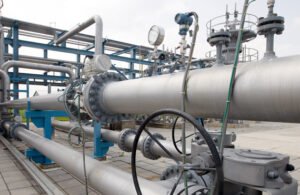
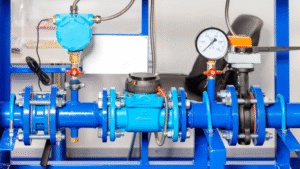
In today’s ever-evolving technological landscape, smart sensor valve data has become a pivotal aspect for industrial engineers looking to optimize processes. These valves, equipped with advanced sensors, provide real-time data critical for decision-making and process improvement. The ability to gather and analyze such data offers significant advantages in both efficiency and safety.
As the industrial world continues to embrace the Internet of Things (IoT), these smart sensor valves represent a leap forward in automation. Engineers can not only monitor but also remotely control various systems, ensuring seamless operations. This article delves into how smart sensor valve data is transforming industries and what it means for industrial engineers like you.

What Are Smart Sensor Valves?
Smart sensor valves are advanced devices that integrate sensors and automation for enhanced operational efficiency. They collect data on flow rates, pressure levels, and temperature, then relay this information to a centralized system. This capability allows for immediate feedback and adjustments, enhancing operational precision.
The Technology Behind Smart Sensor Valves
The core technology of these valves involves embedded sensors that track various metrics such as pressure, flow, and temperature. This information is then transmitted to a control system where data is analyzed and interpreted. The result is a system that not only provides insights but also optimizes the flow process dynamically. More information on this technology can be found here.
Applications in Industry
The application of smart sensor valves extends across various industries, from oil and gas to manufacturing and beyond. These valves help in reducing waste, preventing leaks, and optimizing production processes. Their integration into large-scale systems is often a key component in achieving Industry 4.0 standards.
The Importance of Data
Data collected from these valves is invaluable for predictive maintenance, reducing downtimes, and optimizing industrial processes. By analyzing sensor valve data, companies can preemptively address potential issues, thus maintaining an uninterrupted flow of operations.
Data Analysis Techniques
Advanced analytics and machine learning techniques are employed to make sense of the massive amounts of data generated. These techniques help in identifying patterns, predicting failures, and facilitating automated decision-making. Companies can utilize these methodologies to stay ahead in competitive environments.
Case Studies
Many companies have successfully integrated smart sensor valves into their systems, achieving notable improvements in efficiency and cost-effectiveness. For instance, a major oil company reported a 15% reduction in operational costs after implementing these technologies. Case studies like these provide valuable insights into the practical benefits of using such technology.
The Future of Smart Valves
The future looks promising as more companies recognize the value of smart sensor valve data. Continued advancements in IoT and AI are expected to further enhance their capability, making them an indispensable tool for industrial engineers. The role of valves in Industry 4.0, as discussed in this article, provides a comprehensive overview of these developments.
Innovation and Improvements
Upcoming innovations are likely to focus on energy efficiency and integration with renewable energy sources. These improvements not only aim at enhancing performance but also align with global sustainability goals. Engineers should keep an eye on these trends to maintain a competitive edge.
Integration Challenges
Despite the advantages, integrating smart valves into existing systems can pose challenges. Concerns such as compatibility with current infrastructure, data security, and costs need to be addressed. Companies often need to weigh the initial investment against long-term benefits.
Overcoming Barriers
Overcoming these barriers requires strategic planning and collaboration with technology providers. Customized solutions that fit the specific needs of an operation can simplify integration and maximize the benefits of smart valve technology. For guidance on maintenance and preventing disasters, see this maintenance guide.
Conclusion
The integration of smart sensor valves into industrial processes represents a significant step toward smarter, more efficient operations. For industrial engineers, understanding and leveraging smart sensor valve data is crucial for driving innovation and maintaining competitive advantage. As technology continues to evolve, staying informed and adaptable will be paramount for success.
FAQ
What industries benefit most from smart sensor valve technology?
Industries such as oil and gas, manufacturing, and water management benefit significantly from the integration of smart sensor valves due to their need for precise control and real-time monitoring.
How does smart sensor valve data improve safety?
By providing real-time feedback, smart sensor valves can detect anomalies early, preventing potential hazards and ensuring operational safety.
Are there any downsides to using smart sensor valves?
While the benefits are substantial, concerns about integration costs, compatibility, and data security can pose challenges. However, with proper planning and investment, these issues can be effectively managed.
This article contains affiliate links. We may earn a commission at no extra cost to you.